Your Cart is Empty


You come inside after a long afternoon outdoors, and your skin tells you the story before the mirror does. It feels warm. A little tight. Maybe your shoulders, chest, or arms look duller than they did that morning, even if the color shift seems minor.
That’s the moment when a moisturizing after sun lotion matters most. Not because your skin needs something fancy, but because it needs the right kind of support. Outdoor exposure pulls water from the skin, unsettles the surface barrier, and leaves it less comfortable than it was a few hours earlier. A basic body lotion can help, but after-sun care works better when it’s designed for skin that has just spent time in heat, light, sweat, salt, wind, or chlorine.
The practical goal is simple. Cool the skin gently, replace lost moisture, and choose ingredients that help maintain a calm, supple feel. Quality matters here, especially with aloe. Two bottles can both say “aloe vera” on the front and perform very differently once they touch stressed skin.
A few hours after sun exposure, skin often feels fine at first glance and uncomfortable on contact. That delayed tightness is where people get caught. In practice, I see the same pattern often. Someone applies their usual body lotion at night, then wonders why their skin still feels warm, dry, or oddly taut an hour later.
Sun exposure can leave skin short on water and less comfortable than normal. A dedicated after-sun product is usually better suited to that moment because it is designed for recently stressed skin, often with ingredients chosen for cooling feel, light hydration, and barrier support. Aloe vera is a common example, and Patient notes its role in helping skin feel soothed and hydrated after time in the sun.

A standard moisturizer can reduce dryness, but post-sun skin usually asks for more specific support. Texture matters. Ingredient choice matters. Timing matters too.
What works best after outdoor exposure is usually a formula that can do several jobs at once:
That last point gets overlooked. Two products can list aloe on the label and perform very differently. In my experience, processing is often the difference between an after-sun product that feels calming right away and one that feels ordinary. Fresh aloe that is handled quickly and processed without harsh chemical decolorization tends to retain more of the qualities people want for skin comfort. That is one reason spray-on aloe for after-sun care can feel noticeably different from a mass-market lotion built around fragrance and filler.
A thick cream also has trade-offs. It may help very dry skin later, but it can feel heavy on skin that is still holding heat. Strong fragrance is another common problem. Skin that already feels unsettled usually does better with a gentler formula.
Consistent after-sun care is partly about comfort tonight and partly about how skin looks and feels over time. The American Academy of Dermatology explains that ultraviolet exposure contributes to visible skin aging, which is why daily sun protection and thoughtful post-sun care both matter for keeping skin in better condition over the long run. For a practical companion read, see how to repair sun damaged skin.
Practical rule: If your skin feels warmer, tighter, or drier than usual after being outdoors, apply after-sun moisture that evening. Do not wait for peeling, rough patches, or pronounced redness.
I treat after-sun moisturizing as routine maintenance, not an extra step. Skin has been through heat, light, sweat, salt, wind, or chlorine. A standard lotion can help, but a formula designed for post-sun use usually does the job with better comfort and fewer trade-offs.
The first few minutes indoors matter. Before you reach for lotion, set your skin up to receive it well.
Start with a cool or lukewarm shower, not a hot one. You want to rinse away sweat, salt, sunscreen residue, or pool chemicals without pushing more heat into the skin.
If you don’t want a full shower right away, use a soft cloth with cool water as a compress on the areas that feel warmest. Press gently. Don’t scrub.
A lot of people go straight for harsh cleansing because their skin feels sticky. That usually backfires. Keep the wash simple and mild.
Skin comfort after outdoor exposure isn’t only topical. Drink water steadily once you’re back inside. You’re supporting normal hydration overall, and that often shows up in how skin feels over the next several hours.
Then look at your clothes. Tight straps, rough seams, and clingy fabrics can keep skin feeling aggravated longer than necessary. Loose cotton, soft sleepwear, or an oversized tee often feels better immediately.
Cool skin absorbs a moisturizing product more comfortably than hot skin. If lotion stings or feels suffocating, the skin usually needs another few minutes to settle first.
Skip the instinct to “fix” texture right away. This isn’t the time for exfoliating gloves, acids, retinoids, rough towels, or strongly scented body products.
A simple checklist helps:
If you want a broader overview of supportive skin habits after outdoor exposure, this guide on how to repair sun damaged skin gives useful context on barrier-minded care.
For people who prefer a lighter format before lotion, a spray can be a practical first layer. This overview of a post-outdoor aloe mist shows how some people fit that step into a cooling routine.
Fast action helps, but overdoing the first response can make skin feel worse. Ice-cold water can feel dramatic in the moment, yet many people find it too shocking on already stressed skin. Heavy occlusive products applied on hot, damp skin can also feel sticky and trap discomfort.
Gentle wins here. Cool down, clean lightly, and then moisturize with purpose.
Applying a moisturizing after sun lotion well is less about product quantity alone and more about timing, placement, and repetition. A rushed smear on dry skin does less than a calm, deliberate application on slightly damp skin.
After-sun lotions with aloe vera provide immediate soothing and hydration, and key ingredients like aloe help lock in hydration, support regeneration, and can prolong the appearance of a tan by keeping skin moisturized, according to Nutrimetics.

The best window is right after your shower or rinse, once water has been patted away and your skin is still faintly damp. That small amount of surface moisture helps the lotion spread more evenly and supports better hydration feel.
If your skin is fully dry by the time you remember, don’t skip the step. Just apply more slowly and a bit more generously.
Don’t rub aggressively. Warm, dry skin doesn’t respond well to friction.
Instead:
I usually tell people to think “blanket, not scrub.” You’re laying down hydration, not working it in like a muscle cream.
One application is often a good start, but skin that has spent hours outside may need another round later the same day. Reapply when the skin starts to feel tight again, looks ashy, or loses that comfortable slip.
A simple pattern works well:
| Time | What to do |
|---|---|
| After rinsing | Apply your first full layer on slightly damp skin |
| Later that evening | Recheck exposed areas and add more if they feel dry |
| Before bed | Use a final layer on shoulders, arms, legs, or anywhere still warm or rough-feeling |
Consistency matters. A moisturizing after sun lotion does more when you use it as ongoing support instead of a one-time gesture.
The skin usually tells you when to reapply. Tightness, dullness, and a papery feel are better guides than the clock.
A gel-cream or light lotion often feels best when skin is warm. A richer lotion can be useful at night, especially on shins, forearms, and other areas that tend to dry out first.
If your product pills, drags, or leaves a greasy film, there’s a mismatch somewhere. Either the formula is too heavy for the moment, or too much is being layered onto hot skin.
Common mistakes include:
This routine works best when it feels easy enough to repeat. Keep the bottle where you’ll use it, such as beside the bathroom sink, near your body wash, or on your nightstand if you always reapply before bed.
The practical payoff is simple. Skin tends to stay softer, look smoother, and hold onto comfort longer when you apply early and reapply before it becomes noticeably dry again.
Ingredient labels tell you more than the front of the bottle ever will. If you want a moisturizing after sun lotion that feels supportive instead of merely slick, read for function.
A controlled clinical study on dry skin showed that a moisturizing lotion with active ingredients increased skin hydration by 45% after 21 days, compared with 22% for the basic vehicle, highlighting why proven hydrating components matter for barrier support, according to the Journal of Drugs in Dermatology study.
Not every useful formula contains all of these, but several of them together usually make sense.
This is the anchor ingredient many people want for post-sun care, and for good reason. Aloe is known for a cooling, water-rich feel that suits warm, thirsty skin.
The important question isn’t only whether aloe is present. It’s how much and how well preserved it is. I’ll come back to that in the next section, because processing changes performance.
These ingredients help attract and hold water in the upper layers of the skin. In practice, they help skin feel less tight and more flexible.
They perform best when paired with a formula that also slows moisture loss. On their own, a very watery gel can feel nice briefly but may not last long enough.
Ceramides help maintain the skin’s surface structure. They’re especially useful when your skin feels both dry and fragile.
I often recommend them for people who spend long stretches outdoors in wind, dry heat, or chlorinated water. Those conditions can leave the surface feeling rough even after the initial warmth is gone.
Colloidal oatmeal has a strong reputation in moisturizers aimed at dry, uncomfortable skin. Vitamin E is often included for environmental support and to complement richer conditioning bases.
Some formulas feel elegant in the bottle but less kind on recently exposed skin.
Watch for these trade-offs:
This short visual can help you think more critically about label reading and skin barrier support.
| If you see | It usually means |
|---|---|
| Aloe high on the list | The formula likely leans into water-rich plant hydration |
| Humectants plus emollients | Better balance between immediate and lasting moisture |
| Ceramides or oatmeal | More support for a compromised-feeling barrier |
| Strong perfume near the top | More caution if skin feels warm or reactive |
A good after-sun formula should make skin feel calmer within minutes and better by morning. If it only perfumes the skin or leaves a shiny film, the formula may be doing less than it appears.
The larger lesson is simple. Ingredient quality and ingredient role both matter. Don’t shop only by marketing words like “cooling,” “refreshing,” or “botanical.” Shop by what the formula is built to do.
You come in from the sun, reach for an aloe lotion, and expect that familiar cushion of comfort. Sometimes you get it. Sometimes the product feels watery, perfumed, or oddly short-lived. In practice, the difference often comes down to how the aloe was handled long before it reached the bottle.
Aloe is only as useful as its processing allows it to be. Once the leaf is cut, time, heat, filtration, and chemical treatment can all change the final skin feel. A dermatology review has noted that unprocessed organic aloe formulations supported the skin’s moisture barrier more effectively than heavily filtered alternatives. That lines up with what formulators and estheticians see every season. Fresh, minimally altered aloe usually feels fuller and more comforting on warm, moisture-depleted skin.
Mass-market aloe products often start with concentrate, aggressive filtering, or long storage windows. Those steps can make manufacturing easier and shelf management simpler, but they can also leave the formula feeling less like fresh plant gel and more like a standard lotion with aloe listed for marketing value.
Farm-to-bottle production changes that equation. When the same operation grows, harvests, processes, and bottles the aloe, there is tighter control over freshness, traceability, and handling conditions. That matters because aloe is not a decorative add-in here. It is the working base that helps determine whether the lotion feels immediately relieving or merely slick.
A few practical questions separate strong aloe formulas from weaker ones:
Brands that can answer those questions clearly usually have a more credible aloe story.
For readers who want more general context on how aloe is used in facial routines, this overview of the wonders of aloe vera gel for facial care is a helpful companion read.
ALODERMA’s distinction is straightforward. Its vertically integrated approach keeps farming, processing, and manufacturing connected, which helps preserve the character of fresh aloe instead of treating it like a commodity ingredient. The practical result is better consistency from batch to batch and a formula that stays closer to what people are looking for after sun exposure. More detail on that process is available on its fresh aloe farm-to-bottle process.
When aloe is the hero ingredient, processing is part of performance.
If a moisturizing after sun lotion mentions aloe on the front label but gives only brief surface hydration, the base ingredient may be part of the problem. Better post-sun support often starts with better aloe handling.
The people who get the best long-term results from after-sun care usually don’t treat it as a one-night event. They build a rhythm around it.
That rhythm changes depending on your skin type, your environment, and the products you already use.
A moisturizing after sun lotion should fit the skin you have, not the one the label assumes.
For drier skin, lean toward richer lotions in the evening. You’ll often do better with a second layer on legs, forearms, and shoulders before bed.
For oilier skin, lighter water-based formulas often feel more comfortable. The goal is hydration without heaviness.
For more delicate-feeling skin, keep the rest of the routine minimal. A gentle cleanser, soft towel, and low-fragrance lotion usually outperform complicated layering.
A useful point from the research is that a 2022 ultraviolet reflectance photography study found that applying a water-based moisturizer before or after sunscreen did not significantly alter sunscreen efficacy, supporting the idea that layering hydration and protection can work well together when the moisturizer is water-based, according to PubMed.
That matters the next day. Many people worry that using hydration under sunscreen will “break” the protection step. With a well-chosen water-based moisturizer, that concern is often overstated.
These are the habits I return to most often because they’re easy to sustain:
A cool compress can feel good. So can a brief pause in a cooler room before lotion. Some people also like simple kitchen-based comfort measures such as a cool milk compress.
Those can be fine as temporary feel-good steps, but they don’t replace a professionally formulated moisturizer. Temporary cooling is not the same as sustained moisture support.
| Approach | Best use |
|---|---|
| Cool compress | Short-term comfort before lotion |
| Water-based after-sun lotion | Daily hydration support after outdoor exposure |
| Rich overnight moisturizer | Added support for drier areas |
| Sunscreen the next day | Ongoing protection before more exposure |
Prevention and aftercare work best together. One doesn’t replace the other.
The people with the most consistently smooth, even-looking skin usually do two things well. They protect before going out, and they replenish moisture soon after they come back in. That combination supports comfort now and better-looking skin over time.
Skin usually doesn’t ask for much after a day outdoors. It asks for cooling, water, and a formula that helps it hold onto moisture.
That’s why a moisturizing after sun lotion deserves a permanent place in your routine. The right formula supports healthy-looking skin after environmental exposure, helps maintain softness, and keeps that tight, depleted feeling from settling in overnight.
The details matter. Apply on slightly damp skin. Reapply when the skin starts to feel dry again. Choose ingredients with a clear job to do. And if aloe is one of the main reasons you’re buying the product, pay attention to how that aloe was sourced and processed.
Not all aloe is equal. Farm-to-bottle handling, organic cultivation, and gentler processing can make a meaningful difference in how supportive the finished lotion feels on the skin.
If you want after-sun care that aligns with those standards, explore options that prioritize traceability, fresh processing, and simple formulas built around high-quality aloe.
These statements have not been evaluated by the Food and Drug Administration. This product is not intended to diagnose, treat, cure, or prevent any disease.
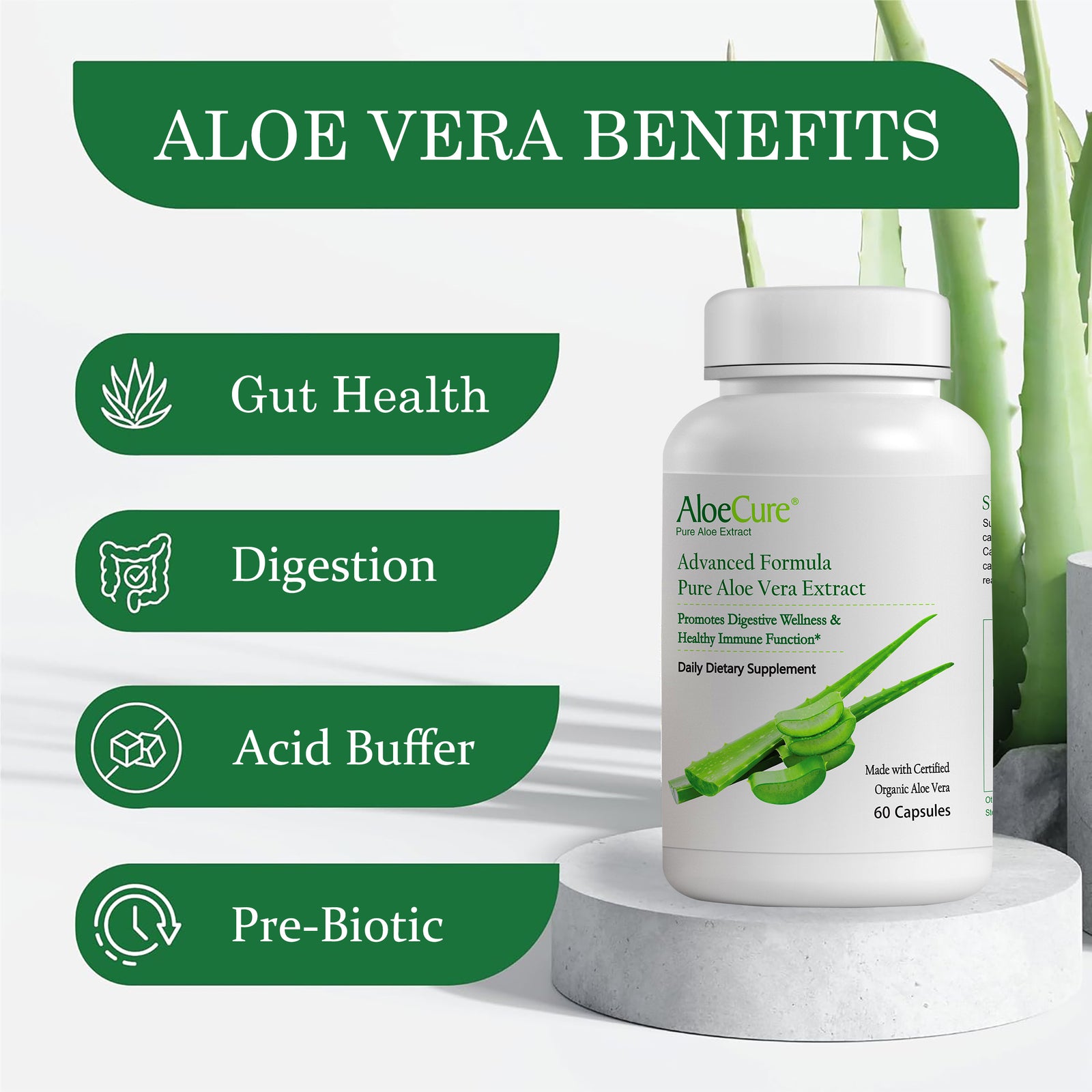
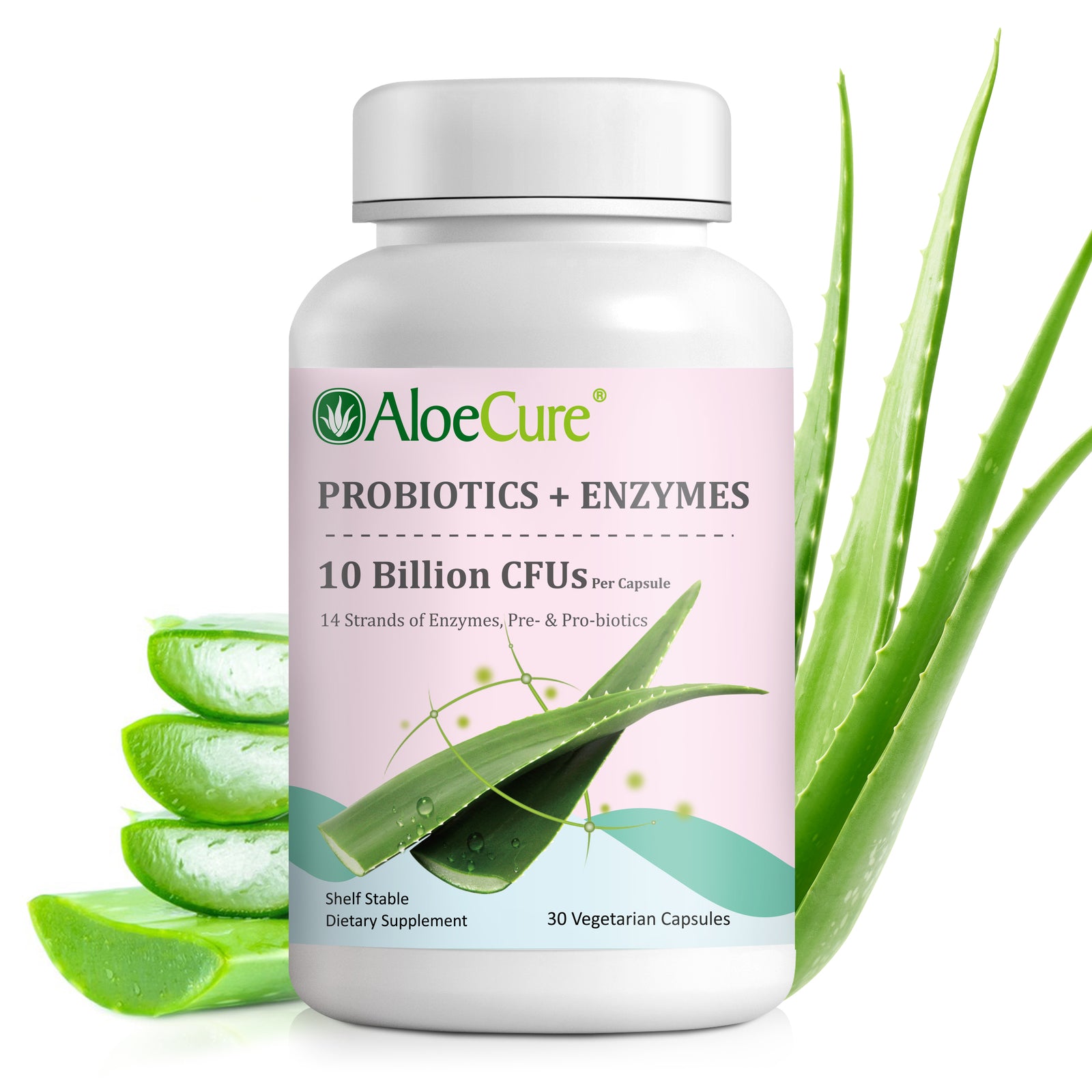
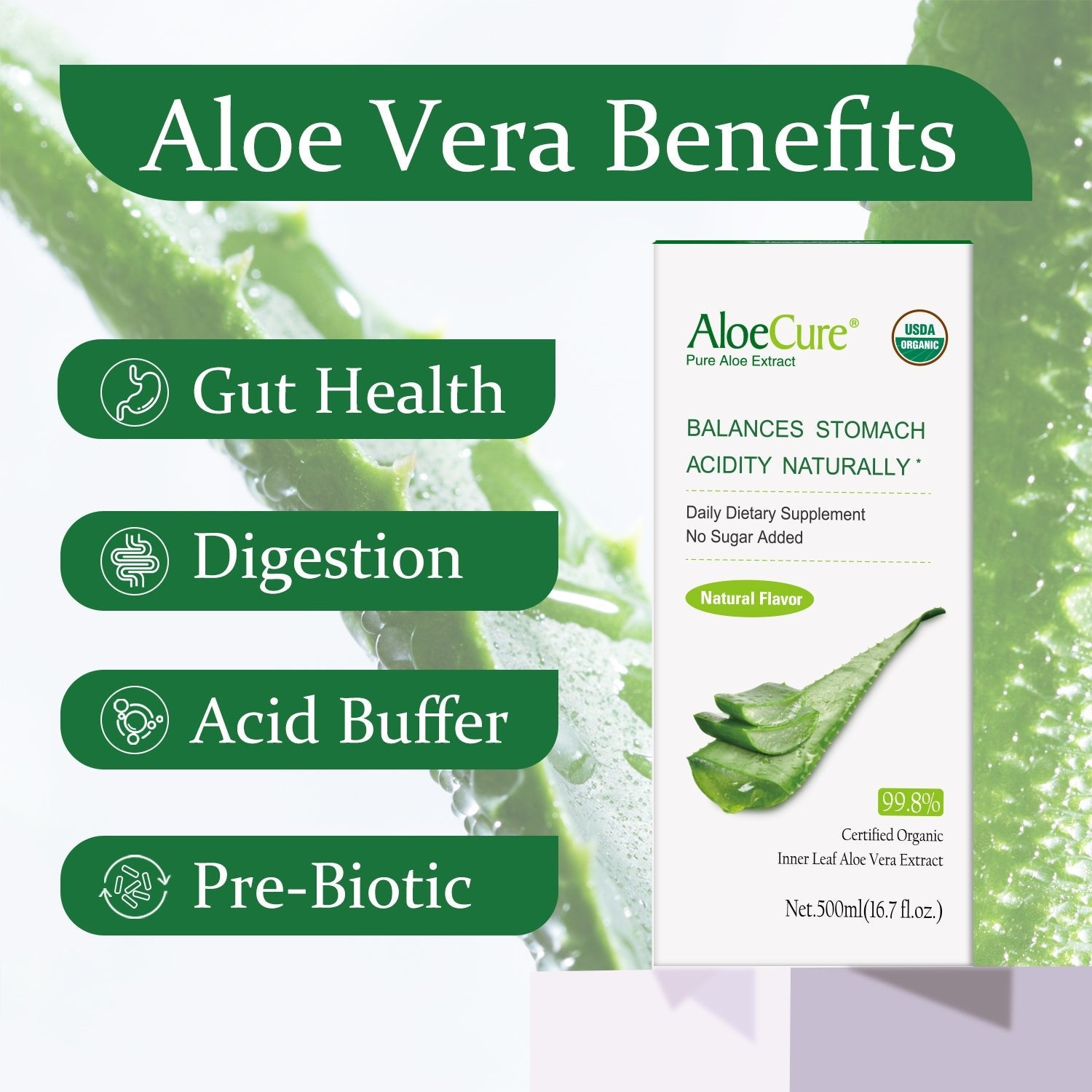
If you want to explore farm-to-bottle aloe skin care and wellness products, visit AloeCure. You can also check current product options and Subscribe & Save choices for 20% off recurring orders.
Comments will be approved before showing up.