Your Cart is Empty

A buyer picks up two aloe products that look similar on the shelf. Months earlier, the difference was already set in the field. One crop was cut at the right maturity, handled cleanly, and processed fast enough to protect the inner fillet. The other lost quality before it ever reached a bottle.
That is how aloe vera plant agriculture works at commercial scale. Farm decisions shape the chemistry, stability, and traceability of the finished ingredient. After 25 years of running a vertically integrated, certified-organic aloe operation, we have seen the same pattern repeatedly. Good farming produces more than attractive leaves. It produces raw material that holds up in extraction, testing, and final formulation.
Aloe is a long-horizon crop with real commercial value, but it rewards discipline more than enthusiasm. Drainage, spacing, irrigation control, sanitation, harvest timing, and post-harvest speed all affect what the processor receives. That matters even more in an integrated model like ours, where the same company is responsible for the field, the cut leaf, the processing line, and the finished ingredient.
The business case is clear. Aloe remains a widely traded ingredient category in foods, supplements, and personal care, and market analysts continue to track strong global demand for aloe extract products. On larger farms, digital monitoring also helps tighten field decisions before those choices show up as quality problems after harvest. If you're assessing that side of production, Drones for Agriculture: The Ultimate Guide to Scaling Modern Farm Operations offers a useful overview of where aerial monitoring fits.
The main point is simple. In aloe, product quality is farm quality carried forward.
Commercial aloe works best when you stop thinking of it as a novelty crop and start treating it like a long-horizon production system. The plant rewards patience, disciplined field management, and tight control over what happens after harvest.

Aloe appeals to growers for a few practical reasons. It has a long commercial life. It can produce for years once a field is established. It also fits the wellness market, where buyers care about ingredient purity, organic handling, and traceability.
For growers using digital tools, field visibility matters more than many people expect. Stand uniformity, moisture variation, and harvest readiness can change across a block, which is why aerial monitoring has become useful on larger farms. If you're exploring that side of operations, Drones for Agriculture: The Ultimate Guide to Scaling Modern Farm Operations gives a useful overview of where drone-based field management fits.
Aloe farming gets described as if yield alone determines success. In practice, that's incomplete. Two farms can grow visually similar leaves and end up with very different finished products because one handles harvest and processing carefully and the other relies on shortcuts.
That's the biggest insider lesson from vertically integrated production. Farming aloe well means planning backward from the final use.
A grower should ask:
Practical rule: If the farm and the processing plant don't operate as one system, quality drift shows up sooner or later.
New aloe growers often spend too much time on the plant's reputation and not enough on field logistics. Established growers look at road access, wash-down protocols, harvest labor, crate flow, and time from cut leaf to processing line. Those details aren't glamorous, but they usually decide whether a farm can supply premium product consistently.
In our experience, the strongest aloe operations share three habits:
That mindset is what turns aloe vera plant agriculture from a simple crop choice into a reliable business.
The wrong site will make aloe farming expensive, slow, and inconsistent. The right site makes the rest of the system easier.

Aloe doesn't forgive wet feet. Growers sometimes assume a hardy plant will tolerate any marginal ground, but standing water and slow-draining soil create trouble fast. Root stress, uneven growth, and lower field uniformity usually follow.
The first pass on any property should be practical:
Aloe can handle leaner conditions better than many crops, but that doesn't mean poor land is good land. Commercial production still depends on consistency.
Aloe grows best where light is abundant and weather is relatively stable. In the United States, major production is concentrated in Texas, Florida, and Arizona, which reflects where commercial conditions support scale, according to the UNDP SDG Investor Platform overview of aloe vera farming.
That same source notes that investors in the aloe vera sector can achieve between 26% and 47% rates of return, and that production can reach 20,000 to 22,000 kilograms per acre with optimal planting density. Those numbers are attractive, but they only hold up when the site supports efficient field operations and clean crop development.
Aloe likes predictability. Long periods of excess moisture, repeated cold stress, or poor airflow can push a farm into reactive management. Reactive management is almost always more expensive than preventive management.
Aloe will survive in places where it won't thrive. That's a costly distinction.
For a premium crop, soil matters for at least three reasons:
| Factor | What to look for | Why it matters |
|---|---|---|
| Drainage | Fast movement of excess water | Reduces root stress and field losses |
| Workability | Soil that can be prepared and maintained without compaction | Supports clean planting lines and harvest access |
| Biological health | Active organic matter cycle | Helps sustain consistent growth in organic systems |
Growers chasing short-term establishment often overcorrect with heavy inputs. On aloe, that usually creates top growth without the balanced field structure you want. Organic systems work better when the soil is built steadily and monitored block by block.
Later in the season, storage also becomes part of the site plan. Harvest bins, shade handling areas, and input storage shouldn't be improvised. For farms mapping out infrastructure, these agricultural storage solutions are a practical reference for thinking through how materials move and where losses can happen.
Good aloe farms are designed around repeatable routines. That includes irrigation layout, labor movement, weed control access, and post-harvest flow.
This field walkthrough is a useful visual reference for how commercial growers think about setup and maintenance:
The farm that looks simple on planting day often becomes complicated by year two. Build for access, drainage, and handling from the start.
A site might still be the wrong choice if you see any of these patterns early:
Aloe farming can be a strong long-term investment. But only if the land supports the standard you're trying to produce.
Aloe fields often start to win or lose before the first transplant crew enters the block. Two farms can plant the same acreage on the same week and get very different results a year later because one accepted uneven starting material and the other built for uniformity from day one. In a vertically integrated operation, that decision does not stay in the field. It shows up later in harvest timing, fillet consistency, and how much bioactive material can be preserved during processing.

Traditional offshoot propagation is still a practical choice for many growers. Tissue culture, or micropropagation, asks for more technical control and more money upfront, but it gives a very different level of standardization.
The trade-off is straightforward:
| Method | Strengths | Limits |
|---|---|---|
| Offshoots | Lower upfront cost, simple handling, field-friendly for smaller expansion | Variable plant size, slower multiplication, more inconsistency block to block |
| Micropropagation | Uniform, disease-free planting stock, scalable multiplication, stronger standardization | Higher setup cost, lab expertise required, acclimatization must be managed well |
For a small operation selling raw leaves locally, offshoots can work well enough. For a certified organic farm that also processes its own crop, uniformity matters more because the factory feels every difference in leaf size, maturity, and timing.
The National Center for Biotechnology Information review on aloe micropropagation describes why commercial growers use tissue culture when consistency matters. It reports strong multiplication rates during subculture, high in vitro rooting success, and good field survival when acclimatization is handled correctly.
Those numbers matter because aloe is not just being grown for field appearance. It is being grown for what happens after harvest. In our experience, more uniform fields are easier to schedule, easier to harvest at the right maturity, and easier to process with less variation from batch to batch. That is one of the quiet links between farm practice and final product quality that buyers often miss.
Micropropagation only works when each step is managed carefully:
Acclimatization is where weak programs usually fail. Plantlets that look perfect in culture can collapse fast if hardening is rushed, humidity drops too quickly, or transplant crews handle crowns and roots roughly.
Field lesson: Uniform planting stock costs more to produce. It also gives more value only if hardening, grading, and transplant discipline are handled well.
Offshoots fit farms with healthy mother blocks, moderate expansion plans, and enough labor to sort and plant variable material carefully. They are also easier to adopt when a grower is building acreage gradually.
Micropropagation makes more sense when the business needs rapid multiplication, cleaner starting material, and tighter harvest planning. It is especially useful for farms supplying premium finished goods, where consistency in the field supports consistency in the bottle.
Home growers do not need that level of production control. A simpler guide on how to grow aloe vera at home is a better fit for that situation.
Propagation gives the farm its starting material. Planting layout determines whether that advantage holds through the first production cycle.
The micropropagation review cited above references field transplanting at 30 x 30 cm spacing. In practice, spacing should also reflect the harvest system, expected plant size, weed control access, and airflow across the block. Tight spacing may raise plant count, but it can also increase leaf rub, slow crew movement, and create more damage during harvest. Wide spacing improves access but leaves production capacity on the table.
The right layout is the one that fits the whole system. On farms like ours, where cultivation, harvest, processing, and finished product quality are connected, spacing decisions are operational decisions, not just agronomic ones. If harvest crews cannot move cleanly through the row, or if maturity becomes uneven across the block, the effect carries all the way into processing.
Before large-scale transplanting starts, confirm the points that usually separate a clean stand from a patchy one:
Good aloe planting is not just about getting plants into the ground. It is about building a field that matures evenly enough to support reliable harvests and protect the quality standard the final product depends on.
Aloe doesn't need pampering, but it does need steady management. Organic fields stay productive when the team pays attention to water, weed pressure, soil life, and plant stress before small issues turn into block-wide inconsistency.
The most common aloe mistake is still too much water. Growers see a succulent crop and either neglect irrigation completely or swing too far in the other direction. Neither approach is reliable.
Drip irrigation usually makes the most sense in organic aloe systems because it keeps water close to the root zone and avoids waste across the row middle. It also helps the farm stay more precise during weather shifts.
A good irrigation routine usually includes:
The goal isn't lush top growth. The goal is stable, harvestable leaf development.
Organic aloe farming is really a soil-management discipline. If the soil is weak, the crop may stay alive but won't perform with the consistency needed for premium output.
We rely on a slower, steadier approach than conventional input-heavy programs. That usually means compost, approved organic amendments, residue management, and careful observation of how each block responds over time.
Many new growers want a single input that will correct a weak block. In aloe, that mindset usually backfires. Fast correction often pushes soft growth or creates imbalance rather than durable improvement.
A stronger routine looks like this:
Healthy aloe fields are usually the result of boring consistency. The dramatic rescue plan is rarely the profitable one.
In organic production, weed control is part agronomy and part logistics. If the crew falls behind early, the field becomes more expensive for the rest of the season.
Hand weeding, shallow mechanical passes where appropriate, and clean row design all matter. Mulching can help in some systems, but only when it fits the moisture pattern and harvest method.
What doesn't work well is waiting until weed pressure is obvious from a distance. By then, you're already paying more in labor and competing with the crop for space and resources.
Aloe is often described as resilient, and it is. But resilient isn't the same as invulnerable. Plant stress attracts management problems.
Daily care should focus on prevention:
| Daily focus | What the crew watches | Why it matters |
|---|---|---|
| Leaf condition | Color, firmness, symmetry | Early sign of water or nutrition imbalance |
| Field uniformity | Lagging rows or weak patches | Helps isolate irrigation or soil issues |
| Weed pressure | Competition near crowns and drip lines | Reduces labor spikes later |
| Sanitation | Clean tools, bins, and work areas | Supports product quality and organic discipline |
Organic aloe farms usually run better when managers think in rhythms instead of isolated tasks.
Early cycle work is about stand establishment and keeping the field clean. Mid-cycle work focuses on water discipline, weed timing, and watching for uneven growth. Pre-harvest attention shifts to leaf maturity, harvest access, and keeping the field clean enough for efficient handling.
That sounds simple. It isn't. But simple systems repeated well are what keep aloe profitable.
The farms that struggle usually don't fail because aloe is hard to grow. They fail because the routine gets loose. In organic aloe vera plant agriculture, routine is where quality is protected.
Aloe is often marketed as if drought tolerance alone proves sustainability. It doesn't. A farm becomes more credible when it can show how it operates, what standards it follows, and how those choices affect the raw material buyers receive.
Certified organic and sustainable production does more than add a seal to packaging. It forces discipline. Inputs, handling, documentation, sanitation, worker training, and traceability all become more structured.
That structure matters because consumers are increasingly skeptical of broad claims. A farm that can verify its practices has a stronger story than one that uses the right language.
There is also a clear content and market gap here. The published discussion around aloe often repeats that the crop uses relatively little water, but there is still minimal published data comparing certified sustainable farming practices to conventional methods. For serious operators, that gap is an opening. The farms willing to document their model can stand apart.
A sustainable claim means more when people can see the system. That's one reason agritourism and open-farm education matter in aloe. When visitors walk the fields, watch handling standards, and understand why timing matters, the farm stops feeling abstract.
In a vertically integrated model, that transparency also connects the crop to the finished product. The buyer isn't just told the aloe was grown responsibly. They can understand how the farm, processing facility, and product line fit together.
For readers who want a broader overview of the principles behind this approach, this guide on what is sustainable farming practices gives useful context.
Certification is often discussed as a marketing asset. It is that. But it also improves operations.
Here are the less obvious benefits:
A farm that operates this way is usually more resilient because it depends less on improvisation.
Buyers may first notice the certification mark. They stay because the product quality is more consistent.
Sustainable aloe farming is a long-cycle discipline. The crop itself can stay commercially productive for years, so short-term thinking causes damage that may not become obvious until later. Soil neglect, weak recordkeeping, and loose harvest practices all catch up eventually.
This is why the strongest farms don't treat sustainability as a separate campaign. They build it into field design, labor training, post-harvest handling, and product traceability. That doesn't just support the land. It supports a more durable business.
The field can be excellent and the final product can still disappoint if harvest and processing are careless. Aloe quality is either protected or lost during harvest and processing.

Aloe isn't a crop you rush because labor is available. Mature leaves need to be selected carefully, cut cleanly, and moved quickly. Rough handling bruises tissue, creates more variability in the load, and makes downstream processing harder.
Commercial harvesting works best when crews are trained to identify leaf maturity consistently rather than cutting by volume. That usually means taking outer leaves at the right stage while protecting the plant's continued production.
The strongest harvest teams focus on:
Vertically integrated operations gain a major advantage by coordinating post-cutting steps. If the farm and processing facility are coordinated, harvested material can move quickly into controlled handling. If the crop sits in transport queues or waits for outsourced processing, quality risk rises.
Our operating standard has always been to process on-site within 12 hours of harvest, because the closer the system is from field to line, the more control you keep over cleanliness, freshness, and consistency.
That doesn't mean every farm needs the same setup. But it does mean every commercial grower should think seriously about post-harvest delay as a quality variable, not just a logistics issue.
There is a major information gap in public aloe content. Most discussions stop at farming and don't explain what processing choices do to the finished ingredient.
The available published discussion indicates that almost no research compares how different processing methods, including chemical extraction or charcoal filtration, affect the preservation of bioactive compounds, which is exactly why this remains such an important point for growers and buyers, as described in this analysis of the processing-method gap in aloe agriculture content.
That gap matters because many buyers assume all aloe processing is roughly equivalent. It isn't.
Some large-scale systems rely on chemical inputs, enzymatic modification, charcoal filtration, concentrates, or combinations of those approaches. Those methods may simplify throughput or standardization, but they can also move the product away from the fresh plant profile the customer expects.
A more careful approach aims to preserve the character of the aloe rather than forcing it into uniformity through aggressive processing.
Here's the practical difference:
| Approach | Operational goal | Likely trade-off |
|---|---|---|
| Heavy filtration or chemical-assisted standardization | Faster cleanup and consistency | More distance from the original plant material |
| Concentrate-based systems | Easier transport and storage | More processing steps between farm and final product |
| Natural, tightly controlled processing | Preserve more of the original plant profile | Requires stronger farm-to-facility coordination |
For buyers comparing products, this is one reason labels only tell part of the story.
Aloe quality depends on linked decisions. The farm has to produce clean leaves. The harvest team has to protect them. The processor has to avoid unnecessary shortcuts. The manufacturer has to maintain traceability lot by lot.
That is the value of a vertically integrated system. One company controls the field, the harvest, the processing, and the finished product standard. When problems appear, the team can trace them backward.
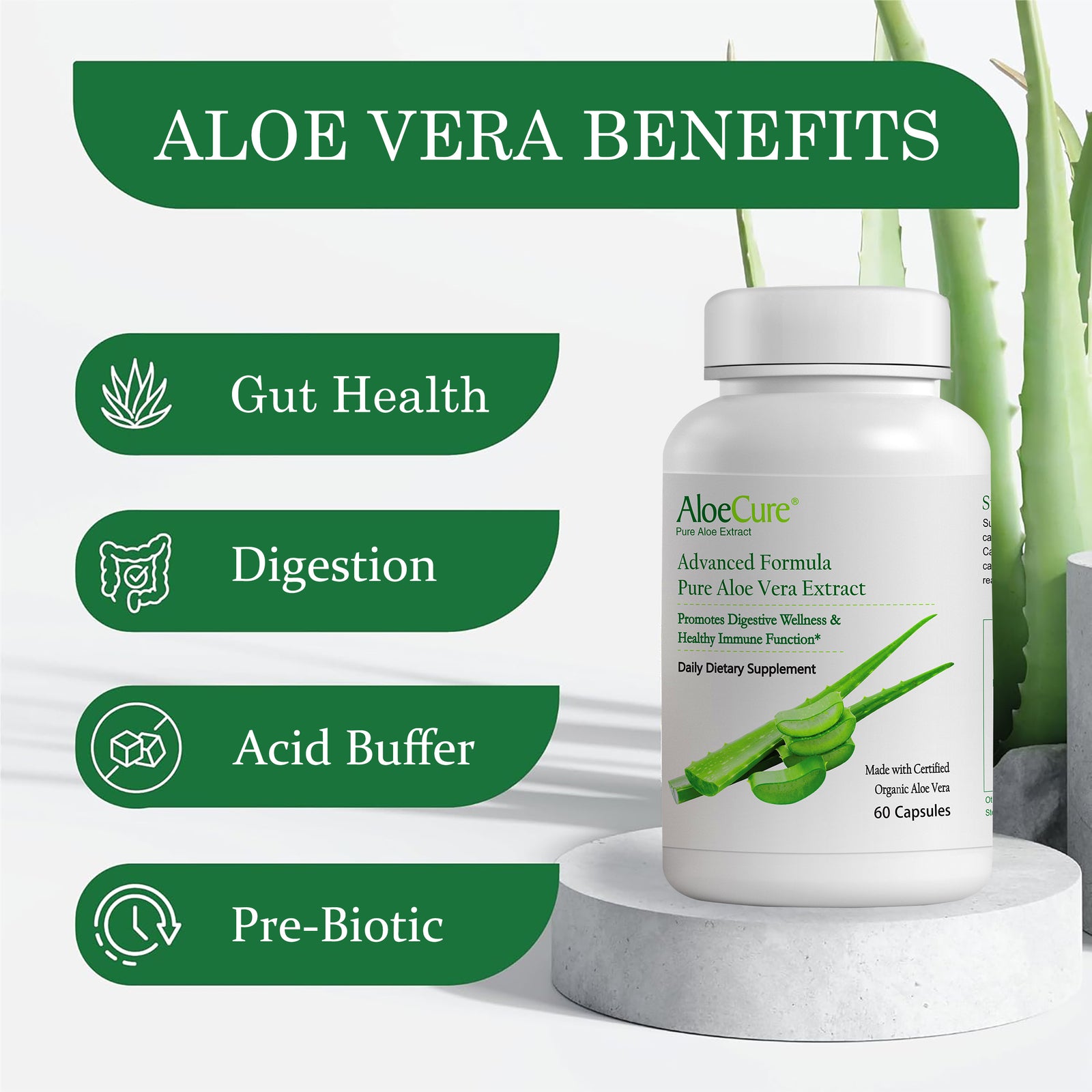
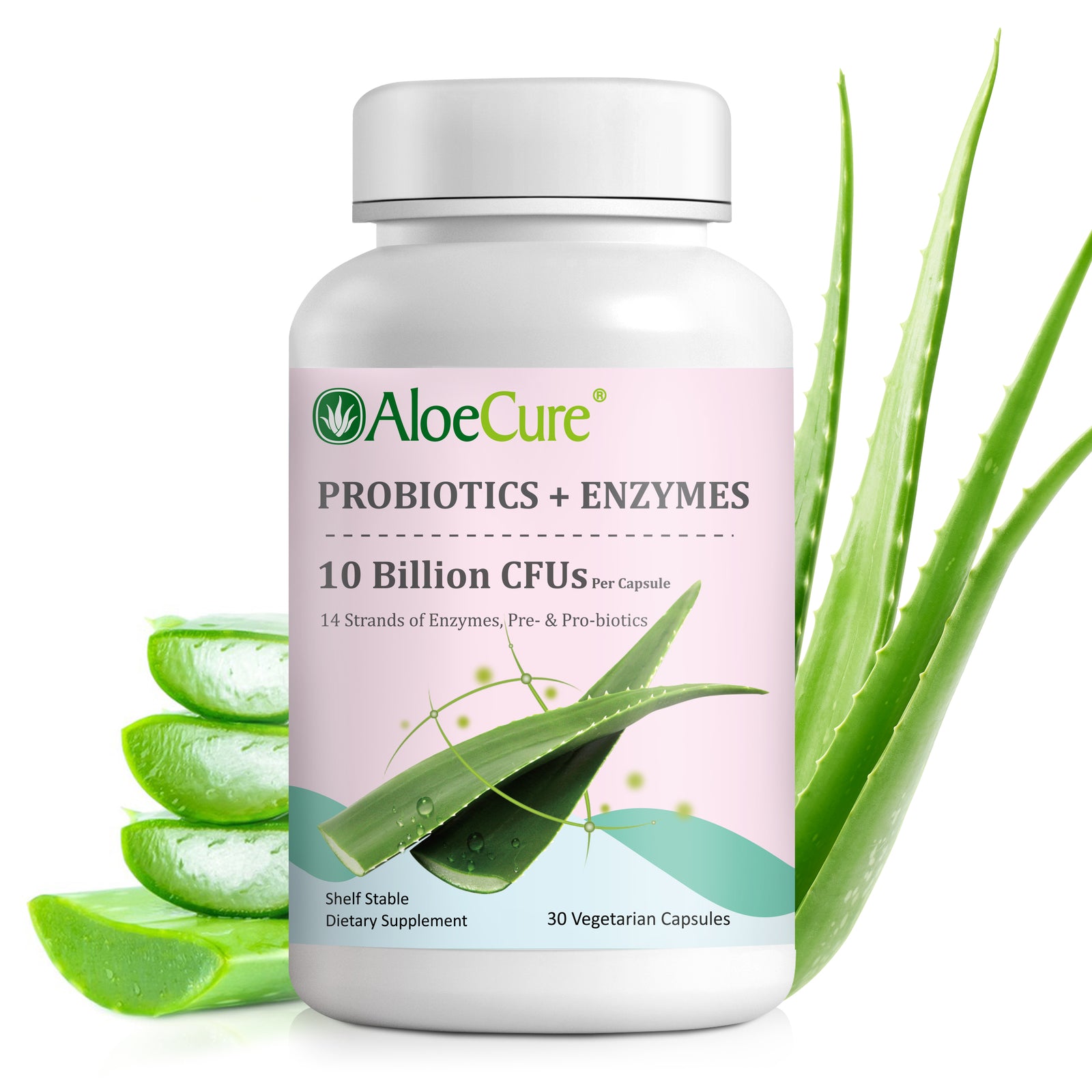
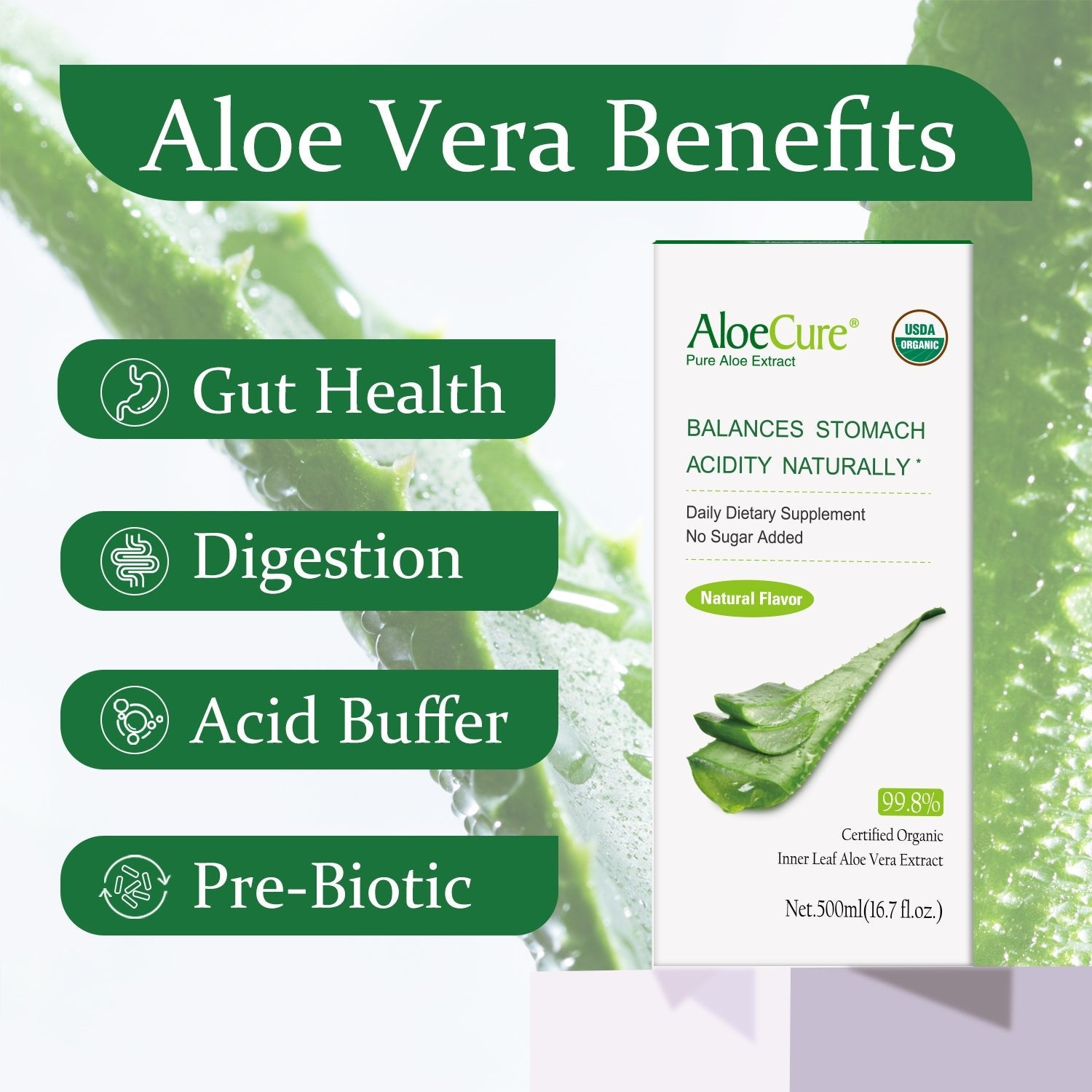
For consumers who want to inspect that kind of ingredient philosophy more closely, pure aloe vera gel with no additives is a useful example of what to look for in minimally altered aloe handling. Among finished product options in the market, AloeCure states that it farms, processes, and produces its own aloe products within one integrated system, which is the kind of supply-chain structure buyers should evaluate when comparing brands.
The real question isn't whether a product contains aloe. The question is what happened to that aloe between the field and the bottle.
If you're evaluating a farm or supplier, these are the questions worth asking:
These standards don't just shape appearance or texture. They influence whether the finished aloe supports the kind of everyday wellness positioning consumers are buying for. In FDA-compliant terms, that means products can be described as helping support healthy digestive function, promoting skin vitality, or supporting the body's natural processes, without stepping into disease claims.
The closer the farm is to the finished product, the easier it is to protect those standards. That's the central lesson of commercial aloe vera plant agriculture. Good farming matters. Good processing decides whether that farming still shows up in the final product.
If you want aloe products from a vertically integrated supply chain, explore AloeCure for organic aloe juices, capsules, and skin care made from farmed and processed aloe within one controlled system. You can also sign up for 20% off flexible subscriptions. These statements have not been evaluated by the Food and Drug Administration. This product is not intended to diagnose, treat, cure, or prevent any disease.
Comments will be approved before showing up.