Your Cart is Empty


You're probably here because you opened three tabs, read ten product pages, scrolled through a page of five-star praise, then hit a one-star review that made you doubt everything. One person says a formula changed their daily routine. Another says it did nothing. A third review sounds like it was written by a robot. After a while, all joint support reviews start to blur together.
That confusion is normal. Many aren't struggling because they can't find reviews. They're struggling because they can't tell which reviews deserve trust.
The better approach isn't to chase the loudest claim. It's to learn how to read reviews, evaluate ingredient evidence, and judge the company behind the bottle. Once you know that framework, the marketplace gets a lot easier to manage.
A common pattern looks like this. You search for a joint support supplement, sort by ratings, and quickly notice that every option seems to promise the same thing. “Supports mobility.” “Promotes flexibility.” “Helps maintain comfortable movement.” The labels sound polished, but the reviews underneath tell a different story.
Some buyers focus on shipping speed or capsule size. Others talk about how they felt after a few weeks. Some reviewers changed several habits at the same time, so it's impossible to know what made the difference. That's why a star rating alone rarely tells the full story.
A more useful mindset is to treat joint support reviews like clues, not verdicts. One review can tell you how a product fit into someone's routine. A pattern across many reviews can tell you whether the company delivers a consistent experience. But neither replaces careful reading.
Reviews are most helpful when you use them to ask better questions, not when you use them as proof by themselves.
Context matters too. Someone who is highly active may judge a supplement very differently from someone focused on everyday movement and long-term wellness habits. Product expectations also shape reviews. A person expecting instant change may leave disappointed, even when the product was designed for steady daily support.
It also helps to zoom out from supplements alone. If your comfort during movement is part of the bigger picture, practical choices like supportive running shoes for knee comfort can be worth exploring alongside nutrition and supplement decisions.
The fastest way to get smarter about joint support reviews is to sort them by type. Not all feedback carries the same weight.
Verified purchase reviews usually have the most practical value. They can tell you whether customers received the product on time, whether the label matched expectations, and whether people stayed with it long enough to form a fair opinion.
Anecdotal comments from forums, social posts, and short testimonials can still be useful, but they're harder to audit. You often don't know what else the person changed in their routine, whether they used the product consistently, or whether they even bought the exact version you're considering.
Paid endorsements deserve the most caution. A polished video or influencer post may highlight branding and lifestyle appeal more than product quality standards.
Here's a simple way to weigh what you read:
| Review type | Best use | Main limitation |
|---|---|---|
| Verified purchase | Check consistency and customer experience | Still subjective |
| Social comment | Spot common themes and questions | Hard to verify context |
| Paid endorsement | Learn how the brand positions itself | May not reflect real customer use |
Different reactions don't always mean one person is wrong. They often mean the review is missing context.
A few variables can change how a supplement gets reviewed:
That's why it helps to compare reviews against the brand's own educational content. A well-built guide like AloeCure's overview of top-rated joint support supplements can help you separate ingredient discussions from emotional reactions in the review section.
When you read joint support reviews, ask these questions:
Practical rule: Specific reviews are more credible than dramatic ones. “Easy to take and clearly labeled” tells you more than “This changed everything.”
Reviews can tell you how people felt. Science helps you judge whether an ingredient has meaningful support behind the marketing.
That distinction matters because many joint support reviews blend personal stories with broad claims about what an ingredient supposedly does. When you separate the two, the picture gets clearer.
Some of the most familiar joint support ingredients are still the most debated. A systematic review in PubMed covering 69 studies found that widely used supplements like glucosamine and chondroitin showed either no effect or only small, clinically unimportant effects on pain and function, and the American Academy of Orthopaedic Surgeons explicitly did not recommend them because of that lack of efficacy (PubMed review).
That doesn't mean every person reports the same experience. It means the marketing around these ingredients has often sounded more confident than the evidence supports.
Another practical concern is product consistency. Quality testing discussed in consumer reporting found that some products contained less chondroitin than the label suggested, which means two people may think they're taking the same formula when they're not getting the same amount.
The supplement category is broader than the old glucosamine-chondroitin conversation. Some shoppers now look at collagen, plant compounds, or combination formulas that aim to support everyday movement in different ways.
Collagen is one example where the discussion is more nuanced. Meta-analytic data reported clinically meaningful changes in pain and physical function measures, with a standardized mean difference of −0.36 for the WOMAC pain subscale and −0.47 for stiffness, and longer use was associated with stronger total WOMAC score effects over time (Scientific Reports collagen analysis).
That helps explain why some people compare traditional formulas with newer collagen options such as Peak Performance multi collagen when reading across joint support reviews. They're often trying to understand not just what's popular, but what kind of support a formula is built to provide.
Many shoppers often get tripped up. They assume that an ingredient's popularity proves its value. It doesn't.
A better question is whether the formula uses ingredients with a reasonable evidence base, whether the label is transparent, and whether the company explains the product in careful structure/function language instead of dramatic promises. If you want a fuller breakdown of that evidence-first approach, this discussion of whether joint support supplements work is a useful companion read.
Ingredient popularity and ingredient proof are not the same thing.
Some product pages make life easier by being transparent. Others try to overwhelm you with promises. When you read joint support reviews next to aggressive marketing copy, the warning signs usually become easier to see.
A legitimate supplement company should talk about supporting normal body function, promoting mobility, or helping maintain healthy joint function. It should not sound like it's making sweeping promises about outcomes it can't substantiate.
Here's a visual checklist of common warning signs to watch for in both product pages and review sections.

The Federal Trade Commission has warned consumers not to believe the hype around joint supplements and notes that these products are not evaluated by the FDA for safety and effectiveness, while claims such as “rebuild damaged cartilage” or “95% pain reduction” are often bogus and unverified (FTC consumer alert).
That's why careful wording matters. Supplement companies are expected to stay within structure/function language. They can say a product supports healthy joint function or helps maintain comfortable movement. They can't legally position a dietary supplement as something that diagnoses, treats, cures, or prevents a disease state.
Not every red flag appears on the label. Some show up in the reviews.
A short video overview can also help you sharpen your filter before buying.
If a product sounds too certain, too fast, or too dramatic, the problem usually isn't that the company is confident. It's that the company may be careless.
A high rating can tell you a product is popular. It can't tell you how carefully it was made.
That's why experienced shoppers eventually shift from reading joint support reviews to studying the company itself. Review scores are surface-level. Manufacturing, sourcing, and testing are harder to fake.

The Arthritis Foundation and other experts recommend looking for USP or NSF certification seals, which indicate independent testing for quality and label accuracy. That matters because independent tests found that 18% of supplements failed to meet their label claims (AARP summary with certification guidance).
When you evaluate a supplement company, look for signs like these:
A brand that controls farming, processing, and finished product manufacturing can usually offer a clearer chain of accountability than a brand that outsources most of the process. That doesn't automatically guarantee a better formula, but it does make quality verification easier.
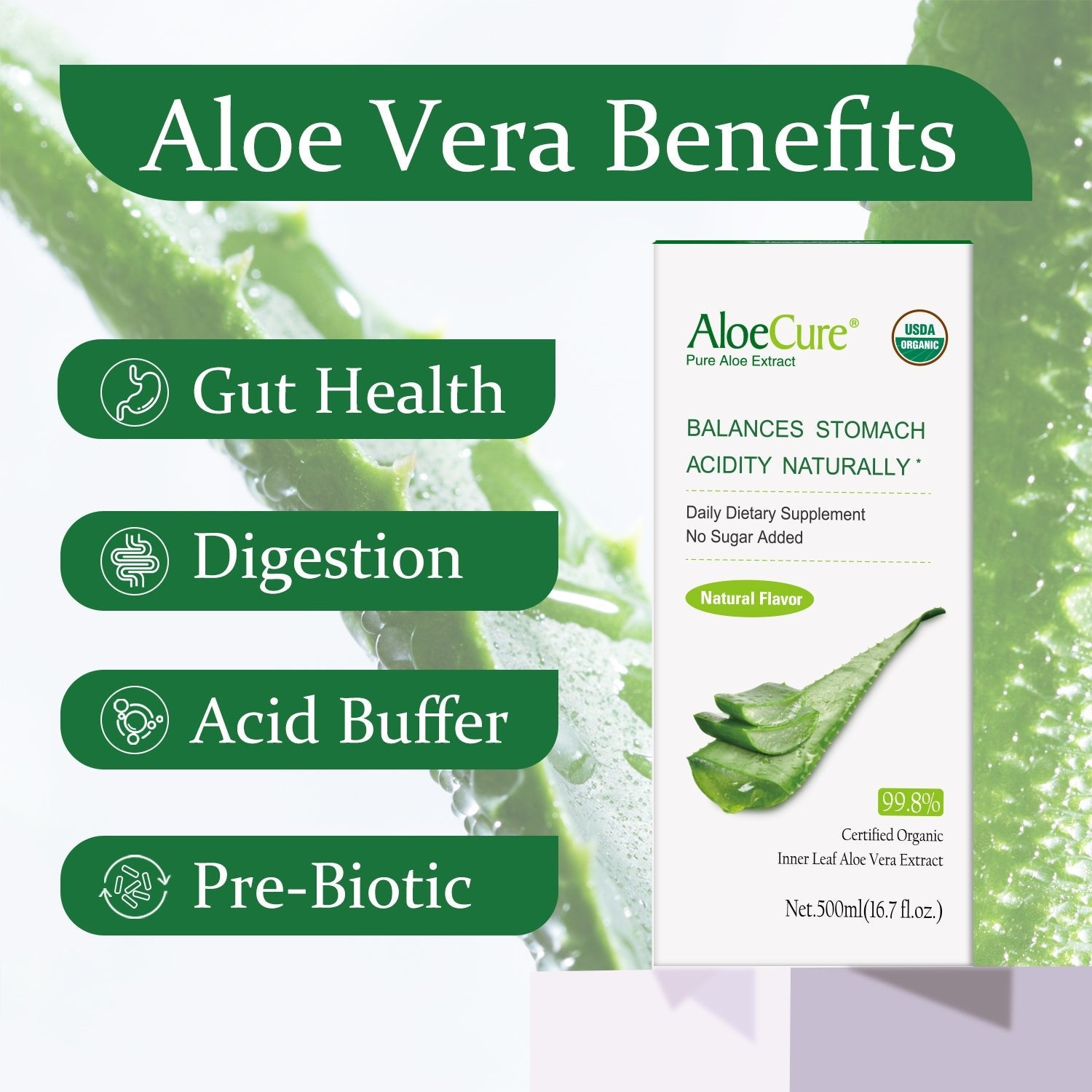
This is especially relevant in aloe-based products, where processing methods affect what ends up in the bottle. If you want a primer on why verification matters, AloeCure's explanation of third-party testing is worth reading before you compare brands.
A practical way to think about it is simple. Don't ask only, “Do people like this?” Ask, “Can this company prove what it made, how it made it, and what standards it follows?”
Once you start judging brands by process instead of hype, the strongest signals become easier to spot. One example is a company that controls its raw material from cultivation through finished product, publishes clear standards, and explains how processing protects ingredient integrity.
Industry reviews of aloe vera processing patents note that many advanced methods focus on enhancing stability and preserving bioactivity by avoiding the chemical, charcoal, or enzyme treatments that are common in competitor processes (industry patent review).
That matters because processing quality is easy to overlook in joint support reviews. Shoppers often focus on the front label and skip the harder question of how the core ingredient was grown and handled.
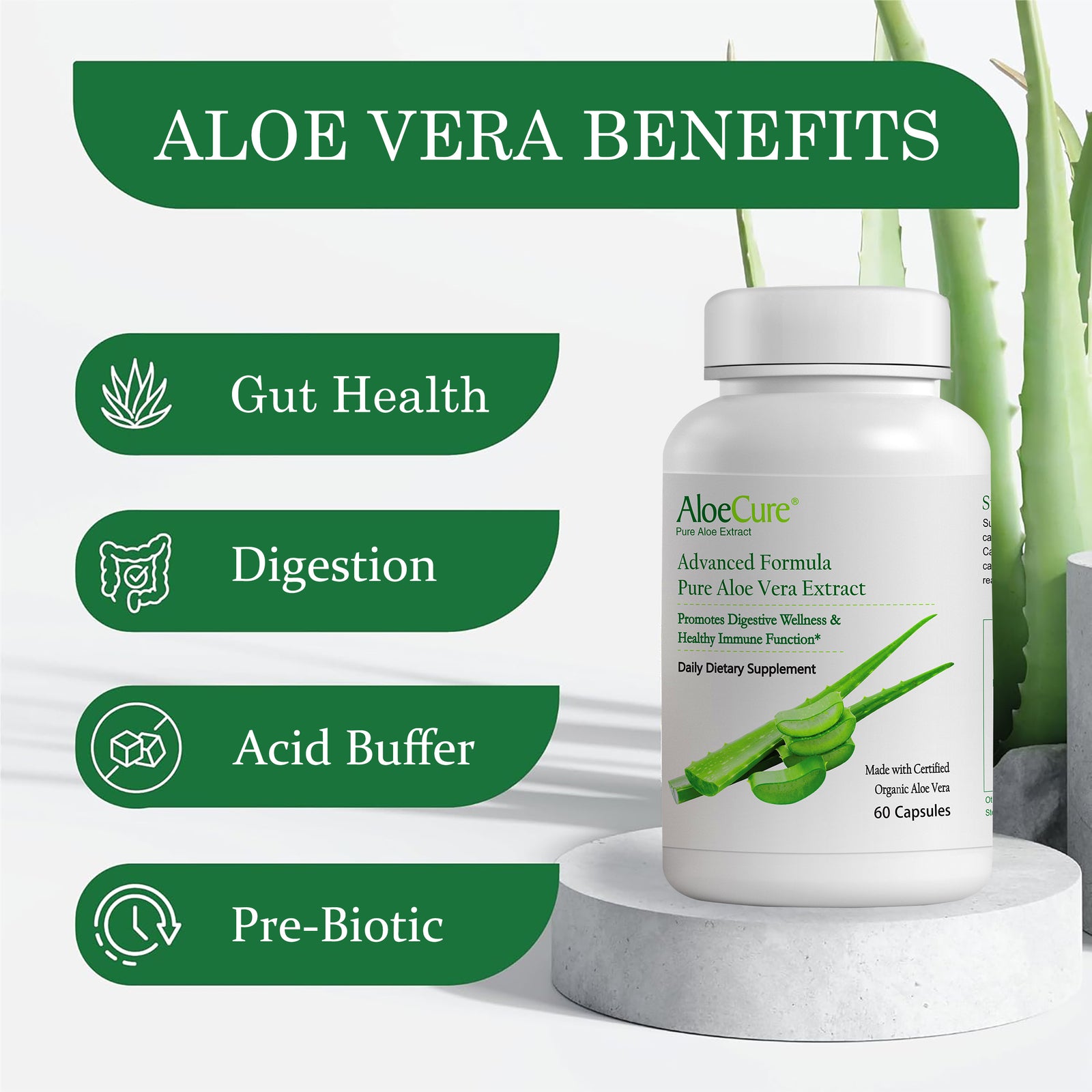
AloeCure is one example of that higher-standard approach. The company states that it farms its own aloe, processes its aloe directly, and produces its own products, which gives buyers a more direct line of sight into sourcing and manufacturing. Its VeraFlex formula is positioned with compliant wellness language around supporting healthy joint function and promoting everyday mobility, rather than making prohibited disease-style promises.
A trustworthy standard isn't only about ingredients. It also shows up in customer-facing practices.
Look for signals like:
Those details don't replace ingredient evidence, but they do tell you whether a company is willing to stand behind what it sells. For many shoppers, that's more valuable than another page of glowing testimonials.
You don't need to become a scientist to read joint support reviews well. You just need a repeatable filter.

Before you buy, run through this short checklist:
If you want another perspective on comparing options in the category, this guide to joint pain relief products offers a broader consumer view of what people often consider when building a support routine.
The smartest shoppers don't ask which product has the loudest praise. They ask which product earns trust in the quiet details.
These statements have not been evaluated by the Food and Drug Administration. This product is not intended to diagnose, treat, cure, or prevent any disease.
If you want to compare a vertically integrated aloe-based option against the framework above, visit AloeCure to review its sourcing, testing, and product details, or explore subscription options that include 20% off for ongoing orders.
Comments will be approved before showing up.