Your Cart is Empty


You wake up tired, your workouts feel flat, your focus comes and goes, and your patience runs thinner than it used to. A quick search for a men's hormone balance supplement gives you page after page of big promises, dramatic language, and formulas that all claim to be the answer.
That confusion makes sense. Individuals aren't looking for hype. They're looking for a safe, sensible way to support energy, resilience, mood, and overall vitality without guessing.
The better approach is to stop chasing a magic bullet and start looking at system support. Hormonal wellness isn't one switch. It's a network shaped by sleep, stress, nutrition, movement, and, in some cases, carefully chosen supplements. When you understand that, it gets much easier to separate useful support from expensive noise.
Many men start in the same place. They don't feel like themselves, but they can't point to one clear reason. So they buy a formula marketed for strength, drive, or hormonal support and hope for a fast turnaround.
That hope is exactly what many labels target.
A quality men's hormone balance supplement should fit into a bigger wellness plan. It should support healthy body function, help maintain normal physiological processes, and give you a transparent ingredient panel you can evaluate. It shouldn't rely on mystery blends, dramatic claims, or language that sounds bigger than the formula itself.
Instead of asking, "What will boost me the fastest?" ask these questions:
Practical rule: The best supplement is the one that matches your context, not the one with the loudest headline.
Your body already has built-in rhythms that regulate energy, recovery, motivation, and resilience. Supplements work best when they help the body adapt to everyday stress, support nutrient status, or assist natural hormone-related processes.
That shift matters. It moves you away from all-or-nothing thinking and toward decisions that are safer, more sustainable, and more likely to pay off over time.
Hormonal wellness works more like an orchestra than a single instrument. If one section is off tempo, the whole performance feels different. Energy can dip. Mood can shift. Motivation can feel less steady. Physical performance can become less predictable.
That doesn't mean one hormone is solely responsible for how you feel. It means your body depends on coordinated signals from multiple systems.

In this picture, hormones are the instruments. Each has a role. Some influence energy and recovery. Others affect stress response, appetite, or daily rhythm.
Glands are the musicians. They produce and release those signals in the right amounts and at the right times.
Lifestyle is the conductor's baton. Sleep quality, food intake, movement, and stress load influence how well the whole system performs together.
If you're trying to understand whether a supplement may help, this framework is useful. It reminds you that no capsule works in isolation from the rest of your routine.
When this internal rhythm feels less stable, the signs often show up as everyday issues rather than one obvious clue. Many people notice patterns such as fatigue, mood swings, weight gain, along with lower resilience and less consistent recovery.
Those signs don't automatically point to one cause. That's why broad support is often more realistic than a single-ingredient fix.
A strong daily foundation matters first. Consistent sleep often makes a visible difference in how the body regulates itself, which is one reason resources on better sleep and health support can be a valuable part of the bigger picture.
When lifestyle inputs are erratic, the body spends more effort adapting and less effort performing smoothly.
A well-made men's hormone balance supplement can support the body's natural process, but it doesn't replace the orchestra. It may help maintain normal function in a stressed or undernourished system. It may provide targeted support for stress adaptation or nutrient-related pathways. It may also do very little if the main issue is coming from sleep disruption, poor routine, or a low-quality product.
That perspective protects you from overexpecting and helps you choose support that fits real life.
A formula can look impressive on the label and still be poorly built. This is the point where many men get misled, especially when a product combines familiar minerals, trendy herbs, and hormone-related terms without showing how those pieces are supposed to work together.
Most products in this category use a mix of minerals, botanicals, and vitamins. Common names include zinc, magnesium, boron, fenugreek, maca, Tribulus, diindolemethane, vitamin B6, and Eurycoma longifolia. Seeing those ingredients on a label does not automatically tell you whether the formula is sensible, adequately dosed, or even aimed at the right problem.
That distinction matters.
Boron is often included because of its relationship with sex hormone binding globulin, or SHBG. Clinical evidence summarized by GoodRx notes that boron at 5 to 12 mg/day acutely lowers SHBG, which may increase free testosterone availability, and 10 mg daily over 8 days in healthy men significantly boosted testosterone levels in the summary reviewed at GoodRx's overview of testosterone-supportive supplements.
Ashwagandha is usually added for a different reason. The same source states that ashwagandha at 300 to 1,200 mg/day indirectly increases testosterone by reducing cortisol and supporting hormone balance. In practice, that makes it more relevant for stress-related strain than for correcting every form of low energy or poor recovery.
Ingredients in men's wellness formulas often fall into a few broad roles. Some help address nutrient gaps. Some are chosen for stress-response support. Others are marketed for libido, body composition, or free testosterone availability, even when the evidence is mixed.
| Ingredient | Supportive Function | Common Daily Dose Range |
|---|---|---|
| Boron | Supports the body's natural steroidogenesis process and may help maintain free testosterone availability through effects on SHBG | 5 to 12 mg/day |
| Ashwagandha | Helps the body adapt to everyday stress and supports hormone balance through cortisol-related pathways | 300 to 1,200 mg/day |
You will also see formulas built around long ingredient lists with very small amounts of each compound. That approach creates label appeal, but it often weakens the product in practice. If every ingredient is underdosed, the formula is harder to evaluate and less likely to produce noticeable support.
When I assess this category, I start with three questions:
A long ingredient list can signal complexity, but it can also signal weak formulation discipline.
This is also where quality control matters more than marketing. Botanical extracts vary. Raw material sourcing varies. Testing varies. A low-quality product can add unnecessary stimulants, contaminants, or poorly standardized herbs that push the body in the wrong direction instead of supporting balance.
A thoughtful men's hormone balance supplement should make sense on paper before you ever swallow a capsule. If you cannot explain why each major ingredient is included, keep looking.
Consumers don't buy a supplement because they care about ingredient theory. They buy it because they want to feel steadier, stronger, and more like themselves during the day.
The most realistic benefits are usually subtle at first. You may notice more consistent morning energy, a better sense of resilience under pressure, steadier motivation, or improved recovery from training and long workdays. That's what support often looks like in practice.
A well-chosen formula may:
Those are meaningful outcomes because they connect to daily life. They don't depend on hype, and they don't require dramatic expectations.
Don't expect any supplement to override poor habits. If your nights are short, your routine is erratic, and stress is constant, even a good formula may feel underwhelming.
That isn't failure. It's feedback.
The body tends to respond best when support is layered correctly. Food quality, movement, hydration, sleep consistency, and stress management create the baseline. A supplement can then assist normal function instead of trying to carry the whole load on its own.
A common scenario looks like this. A man feels more run down than usual, searches for a men's hormone balance supplement, and lands on a product page filled with bold promises, polished branding, and a long ingredient list that sounds impressive. That is often the point where poor choices begin.
Good packaging is not proof of a careful formula. Wide distribution is not proof of quality control. In practice, the safest products are usually the ones that give you enough information to question them.

Before buying, check five things.
One practical rule I use is simple. If I cannot tell what I am taking and why it is in the capsule, I do not recommend it.
Ingredient quality starts long before a product reaches the shelf. Sourcing, storage, extraction methods, contamination controls, and batch testing all affect what ends up in the final capsule.
Low-quality products do more than waste money. They can create inconsistency, trigger unwanted effects, or combine poorly with medications and other supplements. That is the opposite of balance.
Vertical integration can help, because companies with oversight across cultivation, processing, and production have more control over consistency. It is not a guarantee of excellence, but it gives you a clearer chain of accountability than a brand that mainly outsources and markets.
Dietary supplements are meant to support normal function, not to present themselves like drug products. Brands that respect that boundary usually write in a more careful way and explain their purpose without making sweeping promises.
That restraint is a good sign.
You also learn a lot by looking at what a company talks about outside the bottle. If every message is about rapid hormonal transformation, be cautious. If the brand acknowledges basics like recovery, stress, and even points readers toward broader health education such as medically-backed advice on sleep and weight loss, that usually reflects a more responsible view of how the body works.
Choose the product that gives you clarity, not excitement. In this category, transparency is often the better marker of quality than hype.
If you're serious about hormonal wellness, start with sleep before you start with shopping.
One of the most commonly overlooked drivers of low testosterone is poor sleep and untreated sleep apnea, and medical experts note that effectively addressing these sleep issues can restore testosterone levels more effectively than many supplements alone in Banner Health's discussion of surprising causes of low testosterone in men.

Supplement marketing rarely leads with that point. It usually starts with ingredients. But if your nightly recovery is poor, your body is working against a basic biological constraint every day.
Sleep supports recovery, daily rhythm, appetite regulation, stress resilience, and performance. When it slips, you may feel the effects almost everywhere. That's also why practical, medically informed resources like this medically-backed advice on sleep and weight loss can be useful even if your main concern isn't body weight. Sleep influences far more than one outcome.
A men's hormone balance supplement can support the body. It can't replace adequate recovery.
For readers wanting practical ways to improve their evening routine, this guide on how to improve sleep quality naturally is worth keeping bookmarked.
A short visual walkthrough can help make those habits easier to apply day to day.
Sleep is not a bonus strategy. It's the platform your other strategies stand on.
Once that foundation is in place, supplements make more sense. Without it, you're often paying for support while ignoring the strongest lever available.
Self-directed wellness has limits, and knowing those limits is a strength. If you're dealing with persistent changes in energy, motivation, body composition, or recovery that aren't improving with better sleep, a cleaner routine, and a more thoughtful supplement strategy, it makes sense to bring in a qualified professional.
A good consultation isn't just about testing. It's about context. A clinician can help you review your symptoms, habits, current supplements, and broader health picture so you're not guessing your way through a complex issue.
The smartest path is usually the least dramatic one. Support your basics. Choose supplements carefully. Ask for help when your body keeps telling you something needs a closer look.
These statements have not been evaluated by the Food and Drug Administration. This product is not intended to diagnose, treat, cure, or prevent any disease.
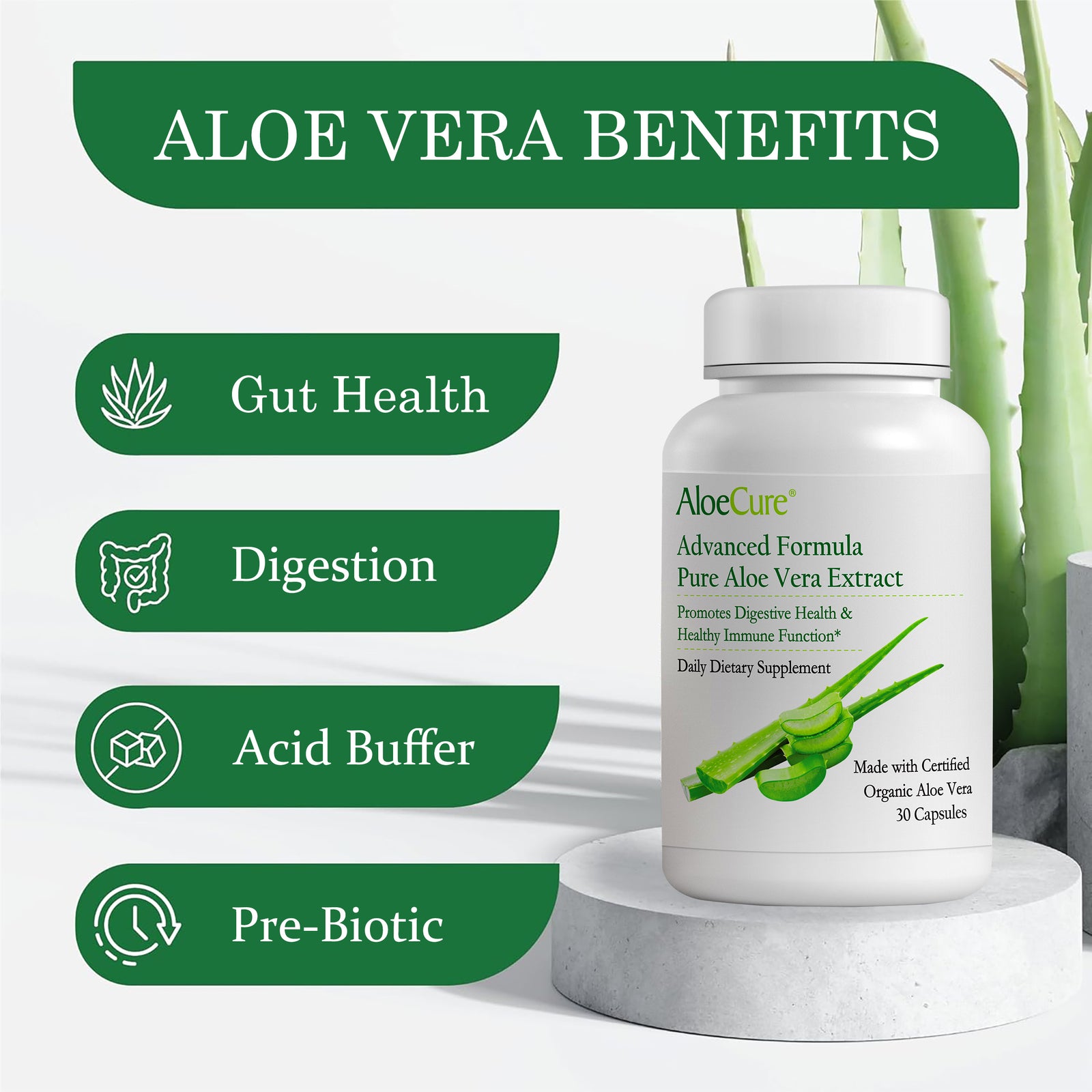
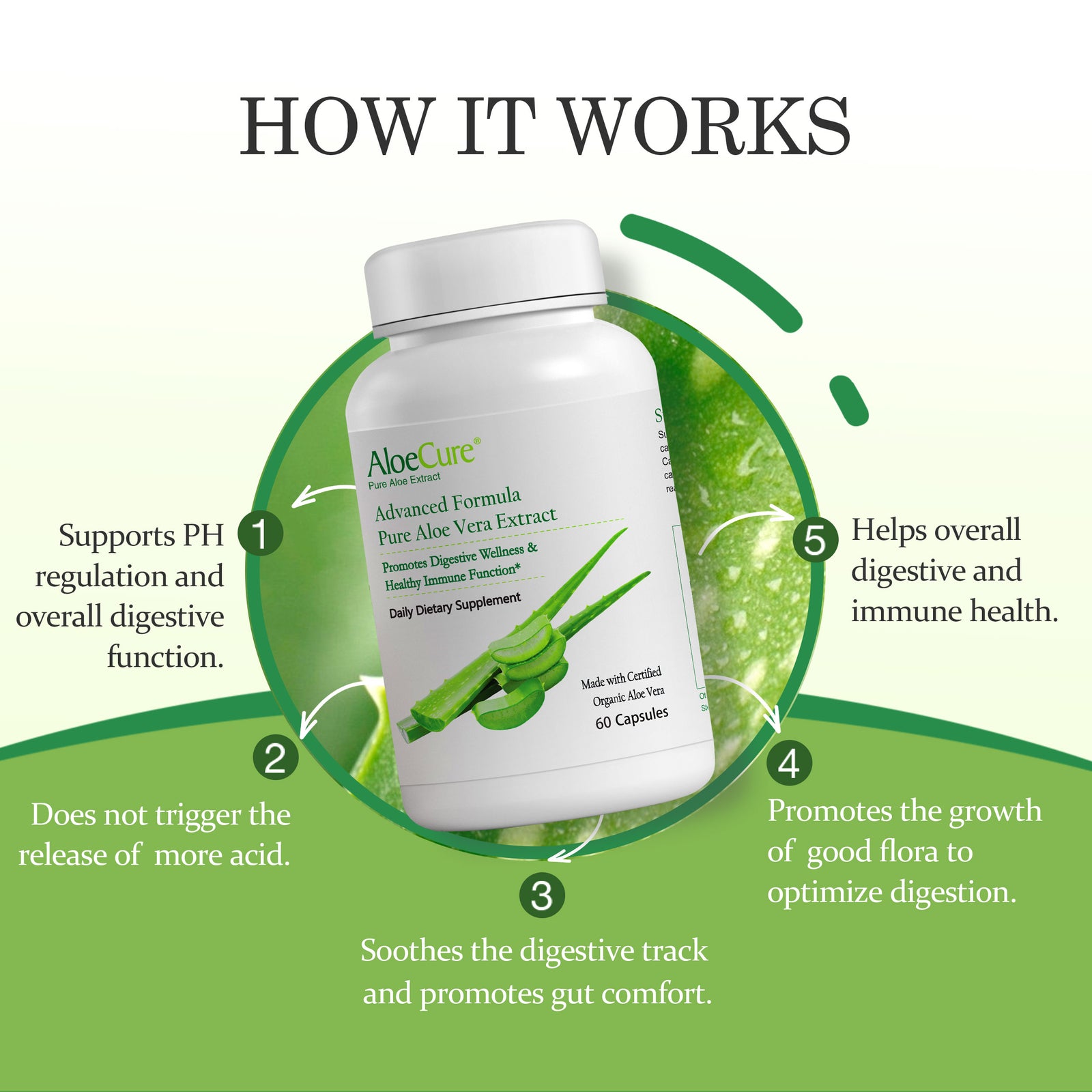
If you're ready to choose wellness products with stronger quality standards, transparent sourcing, and practical daily support, explore AloeCure. AloeCure grows, processes, and produces its aloe-based products through a vertically integrated model, giving customers a cleaner line of sight into quality. You can also sign up for Subscribe & Save for 20% off flexible recurring orders.
Comments will be approved before showing up.