Your Cart is Empty


You’re probably here because you’ve seen both words on food labels, supplement bottles, or wellness blogs and thought, “Aren’t they basically the same thing?” That confusion is common. The names sound alike, they both relate to gut health, and many products bundle them together without explaining why.
The short answer is simple. Probiotics are live beneficial bacteria. Prebiotics are the fibers that feed beneficial bacteria. One adds helpful microbes. The other helps the helpful microbes you already have do their job.
That distinction matters because gut support usually works better when you understand the role each one plays. If you only focus on adding bacteria, you may miss the importance of feeding them. If you only focus on fiber, you may overlook whether your body responds well to certain forms. Food choices, supplement quality, and personal tolerance all shape the experience.
A helpful comparison comes from everyday eating patterns too. Gut wellness isn’t about one “magic” ingredient. It often comes from the full environment you create with daily habits, fiber, hydration, fermented foods, and even fats. If you want another practical example of how food choices fit into that bigger picture, this guide on how olive oil for gut health can play a role offers a useful companion read.
You stand in the supplement aisle, turn over one bottle that says “probiotic,” then pick up another that says “prebiotic,” and both promise digestive support. The labels sound close enough to blur together. A clearer framework helps you choose based on what your gut may need, not just what the packaging highlights.
| Type | What it is | What it does | Common examples |
|---|---|---|---|
| Probiotics | Live beneficial bacteria | Helps maintain a balanced gut environment | Yogurt with live cultures, kefir, fermented foods, probiotic supplements |
| Prebiotics | Non-digestible fibers | Feeds beneficial bacteria already in the gut | Inulin, FOS, green bananas, whole grains, Jerusalem artichokes |
| Synbiotics | A combination of both | Pairs beneficial bacteria with their food source | Combination supplements and meals that include both fermented foods and fiber |
The key is role, not label.
A probiotic adds living microbes. A prebiotic gives helpful microbes something to use for fuel. A synbiotic tries to do both at once, which is why many people become interested in combined formulas after learning more about the different roles of prebiotics, probiotics, and enzymes in gut health.
Big picture: Gut support often works best when you stop asking which one is better and start asking what job each one is doing.
That question matters because real-life results are not always as simple as swallowing a capsule or adding fiber powder to a smoothie. Some probiotic strains do not survive processing, storage, stomach acid, or the trip into the intestines as well as people expect. Some prebiotics can be helpful in one amount and uncomfortable in another, especially for people who are sensitive to gas, bloating, or rapid increases in fiber.
This is why gut health is partly about ingredients and partly about environment. Helpful bacteria need conditions that support them. Your food pattern, tolerance, consistency, and the quality of a supplement all shape that environment. A carefully made, vertically integrated product can offer more reliability here because quality control affects strain handling, ingredient sourcing, stability, and how well the full formula works together.
Daily habits still matter just as much. Meals with fiber, enough fluids, and supportive fats can help create a setting where beneficial microbes are more likely to do well. For another practical food-based example, this guide on how olive oil for gut health can play a role adds useful context.
In everyday terms, the difference between prebiotics and probiotics changes what you buy, how quickly you increase intake, and what kind of support feels realistic to maintain. Some people need to start low and go slowly with prebiotic fiber. Others may do better with a well-designed combination that supports both delivery and nourishment, rather than relying on a single ingredient and hoping for the best.
You read a label, see the words prebiotic and probiotic, and pause. They sound related because they are related, but they do different jobs in the gut.
A simple way to separate them is this. Probiotics are live microorganisms that can benefit the host when consumed in the right amounts. Prebiotics are substances, often certain fibers, that are selectively used by beneficial microbes already living in the gut, as explained by the International Scientific Association for Probiotics and Prebiotics.

That distinction matters because your gut is already a busy, crowded ecosystem. The large intestine contains an enormous number of microbes, so gut support usually works best as a question of support and balance, not adding one more ingredient and expecting it to do everything on its own.
Probiotics are living strains, often from groups such as Lactobacillus or Bifidobacterium. They are measured by strain and amount because different strains can behave differently.
Prebiotics are the food source. Common examples include inulin, fructo-oligosaccharides (FOS), and other fermentable fibers that beneficial microbes can use.
A helpful real-life comparison is a campsite. Probiotics are the new campers arriving. Prebiotics are the supplies already waiting for them. If the supplies are missing, the newcomers may not do as well. If the campsite is already active, feeding the helpful residents can still make a difference even without adding new strains.
One common misunderstanding is calling anything that helps digestion a probiotic. That is too broad. A fiber supplement can support beneficial bacteria without containing any live organisms, which makes it a prebiotic.
Another point people miss is that prebiotics are not identical to all fiber. Fiber is a big category. A prebiotic is a more specific type of ingredient that beneficial microbes can use in a selective way.
Here is a quick way to sort the labels you see:
| If you’re looking at... | Ask yourself... | Likely category |
|---|---|---|
| A fermented food with live cultures | Does it contain live beneficial bacteria? | Probiotic |
| A fiber ingredient like inulin or FOS | Is it feeding beneficial bacteria already present? | Prebiotic |
| A formula that includes both | Does it provide live cultures plus a food source for them? | Synbiotic |
Prebiotics and probiotics are easier to understand when you see how they work together. One adds living organisms. The other helps create conditions those organisms, and the beneficial microbes already present, can use.
That partnership also explains why quality matters. A probiotic only helps if the strains remain viable through production, storage, and digestion. A prebiotic only helps if the type and amount fit your tolerance. Pairing them thoughtfully can make a formula more practical, but only if the product is made with careful sourcing, handling, and testing so the pieces work together instead of just sharing a label.
If you want a broader explanation of prebiotics, probiotics, and enzymes and their roles in gut health, that guide adds useful context.
You do not need to memorize microbiology terms to make a smart choice. You only need to know whether a product is adding beneficial microbes, feeding them, or combining both in a way your body is likely to handle well.
You eat a yogurt with live cultures one day and add extra fiber the next, then wonder why the two choices do not seem to work in the same way. That confusion is common because prebiotics and probiotics help your digestive system through different routes.

Prebiotics are usually certain fibers and related compounds that pass through much of digestion without being broken down early. Once they reach the lower gut, beneficial microbes can use them as fuel. During that process, those microbes produce short-chain fatty acids, or SCFAs, which help support a healthy gut environment.
The Canadian Digestive Health Foundation overview explains that fermentable prebiotic fibers can support gut barrier function and immune activity. In everyday terms, prebiotics help the helpful bacteria you already have do useful work.
That sounds simple, but there is a practical catch. More is not always better. Some people tolerate prebiotic fibers well, while others notice gas, bloating, or cramping if they increase them too quickly. The type of fiber matters too, which is one reason food-first approaches and carefully designed formulas often feel easier to handle than guessing with large amounts.
Probiotics are different because they are live microorganisms. Instead of feeding the existing community, they join it for a time and interact with it directly. Some strains help by competing with less helpful microbes, supporting balance, and contributing to normal digestive function.
Their job is more like adding skilled temporary workers to a busy system. They may be helpful, but only if they arrive in good condition and in forms that can survive manufacturing, storage, stomach acid, and the trip into the intestines. That is why probiotic quality is a real-world issue, not just a label detail.
The same foundation also notes that probiotics can help beneficial bacteria compete for space in the gut. The key point for readers is not memorizing strain names. It is understanding that live microbes have to stay viable long enough to do anything useful.
Prebiotics shape the setting. Probiotics add living participants to it.
If your gut were a garden, prebiotics would be the compost and water that help the right plants grow. Probiotics would be the new seeds or seedlings. A healthy garden often needs both, but the soil has to support what you add.
That is why results can differ from person to person:
This partnership is the part many simple definitions miss. A probiotic can be impressive on paper and still underperform if too few organisms survive. A prebiotic can sound helpful and still be uncomfortable if the dose is not a good match for your digestion. A well-made synbiotic formula tries to solve both problems at once by pairing survivable strains with a tolerable food source for them.
The gut lining acts like a selective filter. It helps your body absorb what it needs while keeping unwanted substances from passing through too easily. The compounds made when beneficial microbes ferment prebiotics, including SCFAs, help support that normal barrier function.
That is one reason gut health products should be judged by more than a buzzword on the bottle. The goal is not just to add bacteria or add fiber. The goal is to create conditions that support digestive comfort in a way your body can handle.
For many readers, practical food choices are still the clearest starting point. Building meals around foods that support healthy digestion can help you increase support gradually, and simple options like prebiotic-rich foods like broccoli make that feel more realistic.
Keep these two jobs in mind:
They are different tools that often work better together, especially when the product or routine is designed to support both survival and tolerance.
A common initial inquiry is practical: Where do I get these?
Prebiotics usually come from plant foods that contain fibers beneficial microbes can use. Common examples include green bananas, Jerusalem artichokes, whole grains, onions, garlic, leeks, chicory root, and some legumes.
Probiotics usually come from fermented foods that contain live cultures. Common examples include yogurt with live cultures, kefir, sauerkraut, kimchi, and other fermented foods.
If you’re looking for ways to bring more fiber-rich plants into meals, recipes built around prebiotic-rich foods like broccoli can make that feel more doable than trying to overhaul your whole diet at once.
Prebiotics were defined in 1995 as ingredients that selectively stimulate beneficial gut bacteria, and studies show consuming 3 to 5 grams daily is beneficial, according to MD Anderson’s overview of prebiotics versus probiotics. That same source notes that probiotics have been researched since the early 20th century.
The same MD Anderson page also reports that people in the U.S. average 15 grams of fiber per day, compared with a recommended 25 to 35 grams. That gap helps explain why so many people look beyond good intentions and consider more structured support.
Whole foods bring more than one benefit at a time. A bowl of yogurt may offer live cultures plus protein. A serving of oats may provide fiber plus minerals. A meal built around plants and fermented foods can support digestive wellness in a broad, steady way.
But food routines aren’t always consistent. Travel changes meal patterns. Busy schedules reduce variety. Some people eat the same few foods every day. Others want more predictable support than they can get from occasional fermented foods.
That’s where supplements can fit.
Supplements can offer convenience and consistency. They can also help people focus on a specific type of support instead of trying to calculate whether they got enough fiber or live cultures from meals that day.
A few differences matter:
For readers who want more ideas for building meals around digestive wellness, AloeCure also has a practical guide to foods that support digestion.
A short visual guide can also help if you’re sorting through food versus supplement options:
If you enjoy fermented foods and fiber-rich meals, start there. If your routine is inconsistent, a supplement may help you stay on track. If certain fibers don’t agree with you, go slowly and adjust based on how your body responds.
Food and supplements don’t have to compete. For many people, they work best together.
By this point, the biggest lesson is clear. Prebiotics and probiotics do different jobs, and those jobs often complement each other.
That partnership has a name: synbiotics. A synbiotic combines probiotics with prebiotics so the live bacteria arrive with a food source that supports them.
A probiotic doesn’t work in a vacuum. It enters an existing environment that includes stomach acid, digestive activity, resident microbes, and whatever you’ve eaten that day.
One major consumer challenge is simple but often overlooked. Most commercial probiotics may not survive the trip through stomach acid to the colon, and effectiveness depends on delivery mechanisms and strain viability. That’s one reason taking a probiotic alone doesn’t always match people’s expectations.
A supportive formula and a supportive diet can both matter because they help create better conditions for those live cultures.
The conversation around prebiotics often sounds easy. Eat more fiber. Feed your gut bacteria. Problem solved.
But individual tolerance is real. Some people do well with a lot of fiber quickly. Others need a slower ramp. Consequently, a prebiotic that looks good on paper may not feel comfortable when introduced too aggressively.
That’s why a combined approach often makes more sense than chasing a single ingredient. A thoughtful routine looks at the full picture:
| Question | Why it matters |
|---|---|
| Does the product include both prebiotics and probiotics? | It supports the “seed plus fertilizer” approach |
| Is the formula designed for everyday use? | Consistency matters more than occasional use |
| Does the serving feel realistic for your routine? | A product only helps if you’ll keep taking it |
| Are you also supporting your diet? | Supplements work best as part of a broader pattern |
A useful gut routine doesn’t just add ingredients. It supports an environment.
Supplement labels can be noisy, so it helps to simplify your checklist.
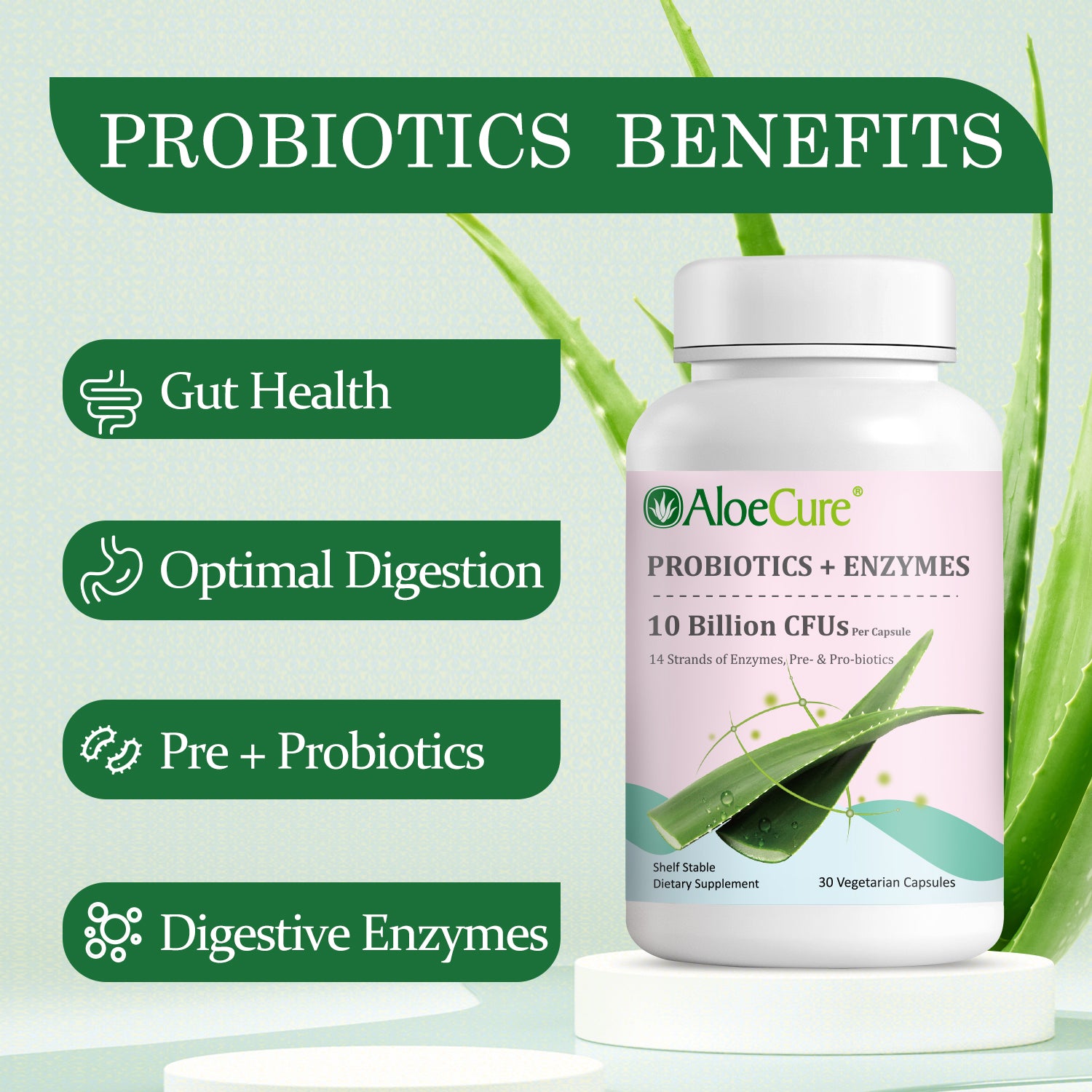
One option in this category is AloeCure’s digestive health supplement guide, which includes its Pre+Probiotic & Digestive Enzyme Capsules. The product combines live cultures with natural fibers, and the company’s vertically integrated process means it farms, processes, and produces its own aloe-based products in-house rather than relying on disconnected suppliers.
Most shoppers never get visibility into how a supplement was sourced or processed. That matters more than people think, especially when products rely on plant ingredients and live organisms.
A vertically integrated company controls more of the chain, from cultivation to finished product. That can support consistency, ingredient traceability, and cleaner processing decisions. With aloe-based wellness products, that also matters because the plant material itself can be affected by how quickly it is processed and what methods are used along the way.
This isn’t about hype. It’s about reducing guesswork.
Good gut habits work better when they’re simple enough to repeat.
A common but often overlooked issue is that many people experience bloating and gas from high-fiber prebiotic foods because tolerance varies and some people are sensitive to certain fermentable fibers, according to Cleveland Clinic’s explanation of prebiotics and probiotics. A gradual approach is usually the smarter one.
If you’re new to prebiotic foods or supplements, don’t jump from very little fiber to a large amount overnight. Increase slowly and pay attention to how your body responds.
Many people prefer to take probiotic or synbiotic products with a meal. From a practical standpoint, that often fits better into daily life and may feel gentler than taking them on an empty stomach.
You can also build meals that naturally combine both categories:
Taking a supplement or eating fermented food once in a while won’t usually tell you much. Gut support tends to be a routine, not a one-day event.
Try these habits:
Everyday advice: Start with an amount you can tolerate, stay consistent, and give your body time to adapt.
You don’t need a complicated shelf full of products. You need a pattern you’ll follow.
That’s also where practical perks can help. Some people prefer subscription options because they remove the friction of reordering. AloeCure offers a 20% off Subscribe & Save option and a 90-day money-back guarantee, which can make consistency easier for people who prefer a set routine.
Sometimes, yes. A varied diet with fiber-rich plants and fermented foods can support many people well. But ideal eating patterns and real life aren’t always the same. If your meals are repetitive, your schedule is packed, or you want more consistency, a supplement can be a practical addition.
That depends on the person, the product, and how consistent the routine is. Some people notice changes sooner than others. The more useful mindset is to think in terms of steady habits instead of immediate results. Gut wellness usually responds better to repetition than to intensity.
You might. When people increase prebiotic intake, especially from fiber-rich foods or supplements, they sometimes notice more gas or fullness at first. That doesn’t always mean the product is wrong for you. It may mean the amount is too high for where you’re starting. Lowering the amount and increasing more gradually often makes the process easier.
A probiotic or synbiotic routine should feel supportive, not overwhelming. If something doesn’t agree with you, simplify, slow down, and pay attention to your body.
These statements have not been evaluated by the Food and Drug Administration. This product is not intended to diagnose, treat, cure, or prevent any disease.
If you want a simple next step, visit AloeCure to explore aloe-based wellness products, learn more about digestive support options, or sign up for Subscribe & Save for 20% off recurring orders.
Comments will be approved before showing up.