Your Cart is Empty


The supplement aisle can feel like a wall of promises. One bottle says it supports balance. Another says it helps digestion. A third combines five ingredients you’ve barely heard of, and somehow each label sounds urgent.
That confusion makes sense. Interest in gut wellness has grown quickly, and the category keeps expanding. The global gut health supplements market reached US$12,371.08 million in 2023, rose to US$13,128.19 million in 2024, and is projected to reach US$21,114.60 million by 2032 at a 6.12% CAGR from 2025 to 2032, according to gut health supplements market data. More products can mean more options, but it also means more noise.
A good natural gut wellness routine doesn’t start with chasing trends. It starts with understanding what your body needs, how different supplements work, and why quality matters as much as the ingredient on the front of the label.
You stand in front of a shelf of gut health products after a long week of rushed meals, stress, and a stomach that has felt slightly off more often than usual. One label promises balance. Another mentions regularity. A third lists botanicals, enzymes, and probiotics in tiny print. A more important question is not which claim sounds biggest. It is how to tell whether a product was made with care in the first place.
A simpler approach helps. Start by matching the type of support to the concern you want to address, then look past the front label and study quality. For natural gut supplements, quality is shaped by three practical factors. Where ingredients come from, how they are processed, and how clearly the company explains both.
That last part matters more than many shoppers realize.
Two aloe vera products can look nearly identical on the bottle and still be very different in practice. One may come from organically grown plants, be carefully filtered to remove unwanted compounds, and be processed without harsh chemical solvents. Another may use lower-grade raw material and reveal very little about how it was handled. The ingredient name stays the same. The product quality does not.
This is why natural gut wellness is not only about picking a category such as probiotics, digestive enzymes, or soothing botanicals. It is also about learning how a supplement moves from farm to finished bottle. Aloe vera offers a clear example because its value depends heavily on sourcing and processing. If the plant is grown well and handled gently, it can better reflect the clean, supportive qualities people are looking for in a daily wellness routine.
Food habits still matter, of course, and supplements work best as part of a broader plan. If you want more context on nourishing your body naturally and addressing essential nutrient gaps, that guide gives a useful foundation for seeing how meals and supplements can complement each other.
A helpful rule is simple. Ask fewer questions about marketing claims, and more questions about origin, processing, and proof. That shift makes the whole category easier to understand and helps you choose products that support overall well-being in a more trustworthy, natural way.
A healthy gut is easier to understand when you stop thinking of it as a machine and start thinking of it as a garden.
In a garden, growth depends on balance. You need healthy soil, the right seeds, enough nourishment, and a steady environment. Your inner ecosystem works in a similar way. It does best when beneficial organisms have what they need to thrive, when your body can break down food efficiently, and when the lining of the digestive system is supported.

Think of the main parts this way:
When one part is missing, people often notice it in everyday ways. Meals feel heavier. Regularity gets inconsistent. Certain foods seem harder to handle than they used to be. That doesn’t always mean something dramatic is wrong. Often, it means the garden needs better conditions.
Supplements can support your routine, but they work best when they sit on top of strong basics. Water, meal rhythm, movement, and fiber all help create a better environment for digestive wellness.
If you want simple food ideas to pair with supplements, this roundup of the best foods for gut health is a useful companion resource.
Practical rule: Don’t use supplements to replace healthy habits. Use them to support the habits you’re already building.
A garden doesn’t need constant interference. It needs steady care. The same is true here.
That means your routine doesn’t have to include every trending ingredient. It may be as simple as adding one or two natural gut health supplements that match your goals, then giving your body time to respond. Some people need support for microbial balance. Others need help with food breakdown. Others do well with botanicals that help maintain comfort and support the body’s natural digestive processes.
Once you see your gut as something to nurture, supplement labels start making more sense. You stop shopping for hype and start looking for a role each product plays.
The easiest way to compare natural gut health supplements is to keep the garden analogy in place. Each category does a different job, and confusion usually comes from expecting one tool to do everything.

| Supplement Type | Role in the Garden Analogy | How It Supports Your Body |
|---|---|---|
| Probiotics | Friendly seeds | Help maintain a balanced gut flora and support digestive and immune function |
| Prebiotics | Plant food | Feed beneficial bacteria and support a healthy internal environment |
| Digestive enzymes | Garden tools | Assist the body in breaking down food for normal digestion and nutrient use |
| Aloe vera and botanicals | Soil conditioners | Promote digestive comfort and support healthy digestive system function |
| Amino acid support such as L-glutamine | Building material | Helps maintain the integrity of tissues involved in normal digestive wellness |
If you’ve heard of only one category, it’s probably probiotics. They are the dominant force in the market, holding 46.3% of the share in the US in 2024, according to US gut health supplements market research. Their popularity comes from their role in helping restore gut flora balance and supporting digestion, immune function, and the gut-brain connection.
That still leaves an important question. What are they doing?
Probiotics are live beneficial microbes. In the garden analogy, they’re the seeds you introduce to help the ecosystem stay balanced. They’re often chosen by people who want support after travel, dietary changes, stressful periods, or times when their routine feels off.
A few things often confuse shoppers:
Prebiotics are different. They aren’t live organisms. They’re the nourishment that beneficial microbes use.
Common examples include inulin, FOS, and acacia fiber, which are described in this overview of prebiotics, probiotics, and enzymes and their roles in gut health. In plain terms, prebiotics help create a more favorable environment for the microbes already living in your system.
This distinction matters because many people jump straight to probiotics without asking whether they’re also feeding the ecosystem they want to support.
A simple way to remember it is this:
Probiotics add. Prebiotics nourish.
Some prebiotic fibers may feel gentler than others, which is why people often start with a smaller amount and increase gradually.
Digestive enzymes aren’t there to change your microbiome directly. They support the mechanical side of digestion by helping the body break down proteins, fats, and carbohydrates.
Common enzymes include:
People often like enzymes when the issue feels meal-related. If your main concern shows up after larger meals or certain food combinations, enzymes may be the most relevant category to look into.
They’re less about changing the whole garden and more about helping the daily gardening tasks run more smoothly.
Botanicals often work differently from probiotics and enzymes. They’re usually chosen for their ability to support comfort, motility, or the condition of the digestive environment.
One good example is ginger. A 2023 trial found that 1.2g of ginger powder daily improved gut motility, showing how targeted plant compounds can assist the body in its normal physiological processes, as summarized in this review of natural gut-supportive supplements.
Other botanicals may be used for soothing support, but the key takeaway is that they’re not all trying to do the same job. Some support movement. Some support comfort. Some support the environment itself.
A well-built routine often combines categories with intention rather than stacking ingredients at random.
For example:
That’s very different from buying a product because the label sounds busy. More ingredients don’t automatically mean more value. The better question is whether each ingredient has a clear role.
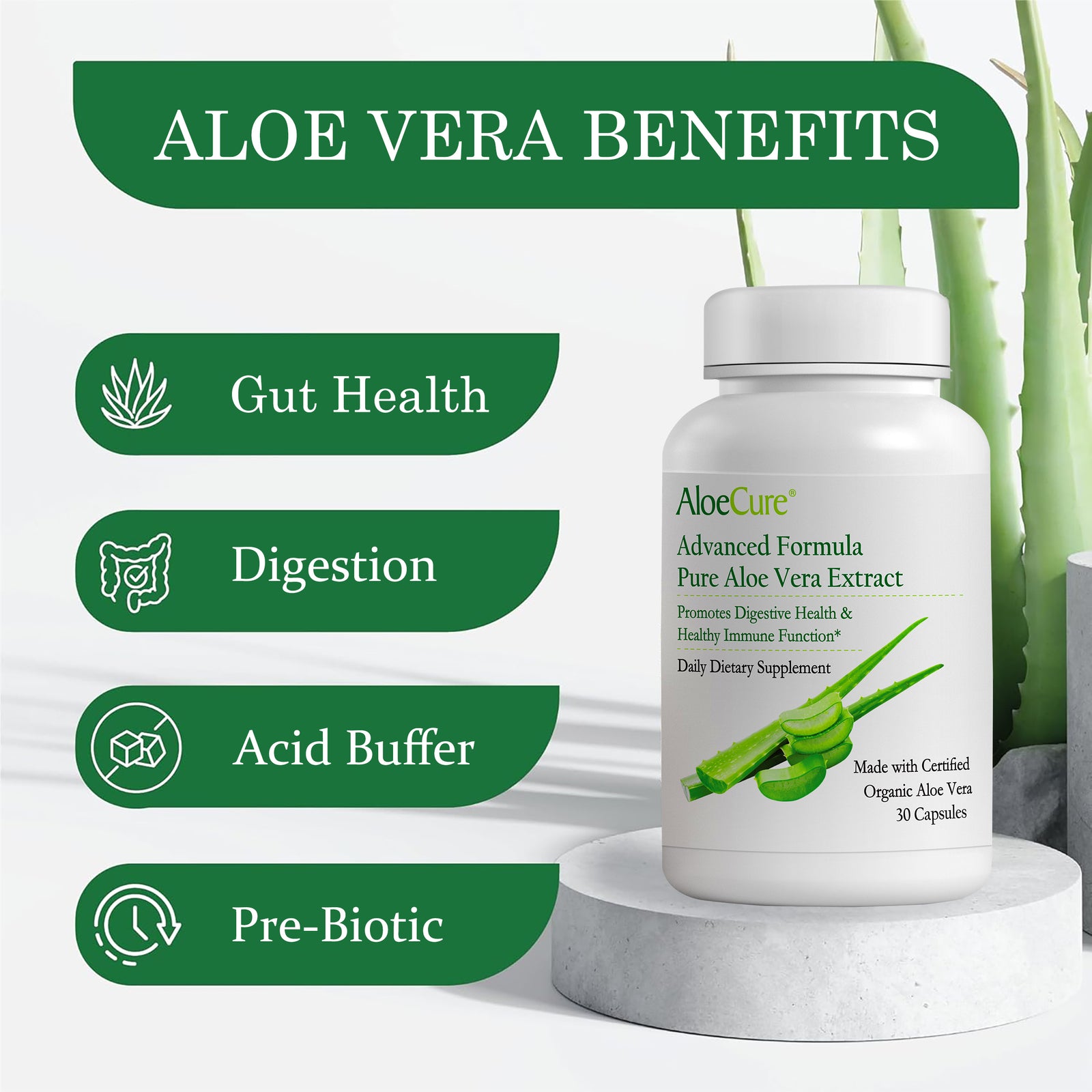
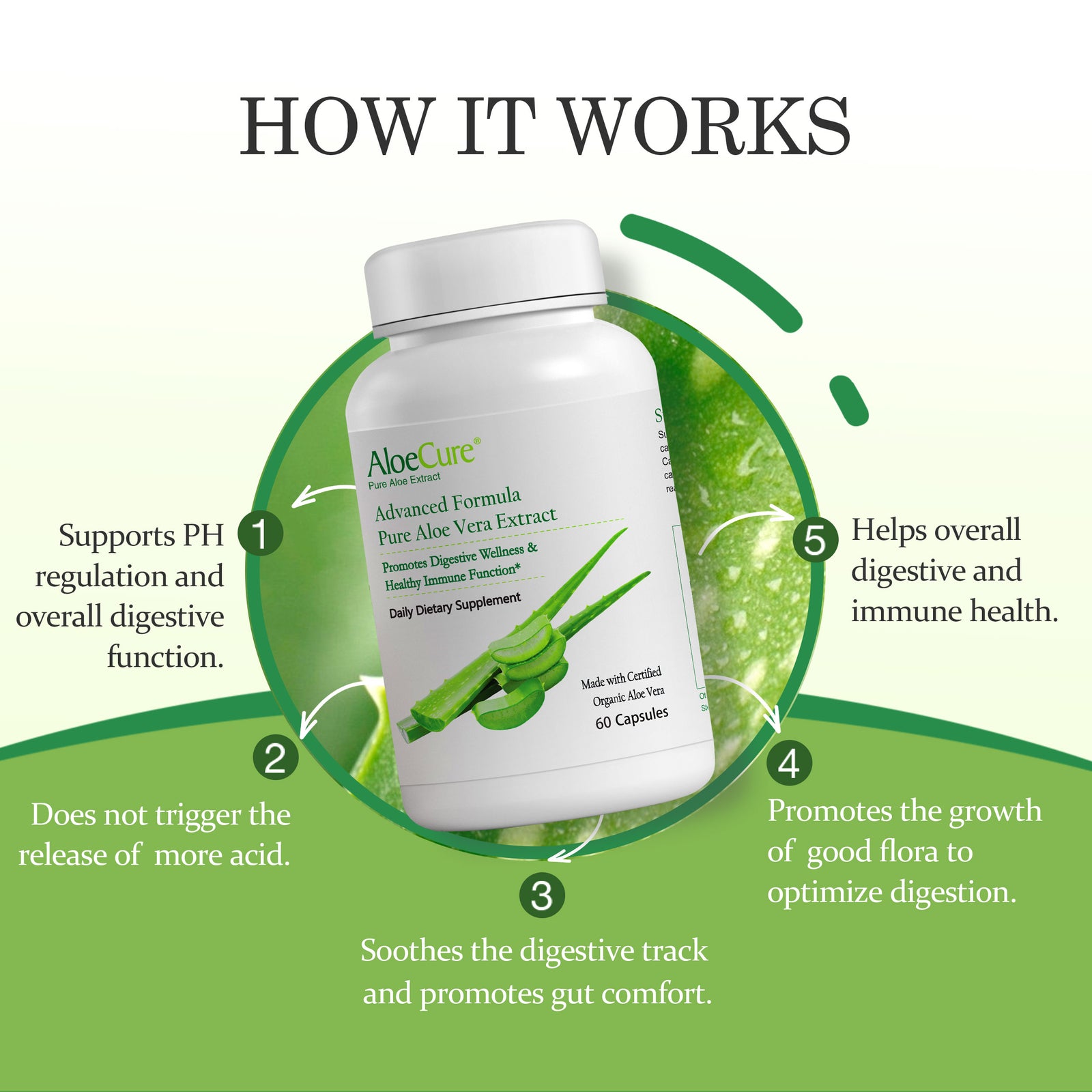
Among natural gut health supplements, aloe vera stands apart because it supports the environment rather than acting only as an add-on. If probiotics are the seeds and prebiotics are the nourishment, aloe vera is closer to the part of the garden that helps the soil stay calm and workable.
That’s why many people think of it as a foundational botanical. Instead of focusing only on microbial balance or food breakdown, aloe vera is often used to promote digestive comfort and support healthy digestive system function day to day.

A probiotic capsule and an aloe formula may both belong in a wellness routine, but they’re not interchangeable.
Probiotics are often chosen to support balance in gut flora. Enzymes help the body process food. Ginger supports normal motility. Aloe vera fills a different role. It’s often valued for its naturally soothing character and its ability to support the body’s natural digestive processes in a gentle, steady way.
That matters for people who don’t want a routine built only around trendy strains or complex blends. Sometimes the body responds well to simpler support that helps maintain a more comfortable digestive environment.
If you want a deeper look at how this botanical fits into a daily routine, this article on aloe vera for gut health gives a focused overview.
Not all aloe is equal. That point gets missed often.
The quality of aloe vera depends heavily on how it’s grown, handled, and processed. Natural processing methods can preserve more of what makes aloe valuable in the first place, while harsher methods can strip away part of that character.
This short video gives useful visual context on aloe and daily wellness support.
Aloe vera also pairs well with other supplement categories. Someone might use aloe as a daily foundation, then add a probiotic or enzyme blend depending on meals, travel, or routine changes.
A useful routine doesn’t ask one ingredient to do every job. It combines ingredients with different strengths.
That’s where aloe can be especially practical. It supports the setting in which the rest of your routine operates.
Two bottles can list similar ingredients and still be very different products. That’s why quality isn’t just about what’s on the front label. It’s about where the ingredients come from, how they’re processed, and how much the company is willing to show you.
Many shoppers don’t realize how much processing can affect the final result. Large-scale competitors often use chemicals, enzymes, or charcoal filtration, which can reduce the bioactivity of ingredients like aloe vera. Choosing products made with proprietary, natural processing methods that preserve peak bioactivity is a major differentiator, as explained in this discussion of processing methods and supplement quality.
The first question is simple. Where did the ingredient come from, and how closely does the company control it?
A vertically integrated company has an advantage here because it controls more of the chain from farm to finished product. With aloe vera in particular, that matters. How the plant is grown, harvested, and handled affects the ingredient long before it reaches a bottle.
Look for signs such as:
Many labels lose their usefulness. A bottle can say “natural” and still tell you almost nothing about what happened to the ingredient before packaging.
Ask sharper questions:
If you’re comparing aloe products, understanding what bioavailability means can help you think beyond the ingredient list and toward how well a formula supports effective use by the body.
What to look for: The best labels don’t just name ingredients. They show how those ingredients were protected.
Transparency is what turns a marketing story into something more trustworthy.
A company should make it easy to learn about:
| Quality Pillar | What to Check | Why It Matters |
|---|---|---|
| Sourcing | Farm origin, organic status, traceability | Shows where the ingredient began |
| Processing | Chemical-free methods, handling speed, filtration choices | Helps preserve the ingredient’s natural value |
| Verification | Third-party testing, certifications, lot-level standards | Supports consistency and confidence |
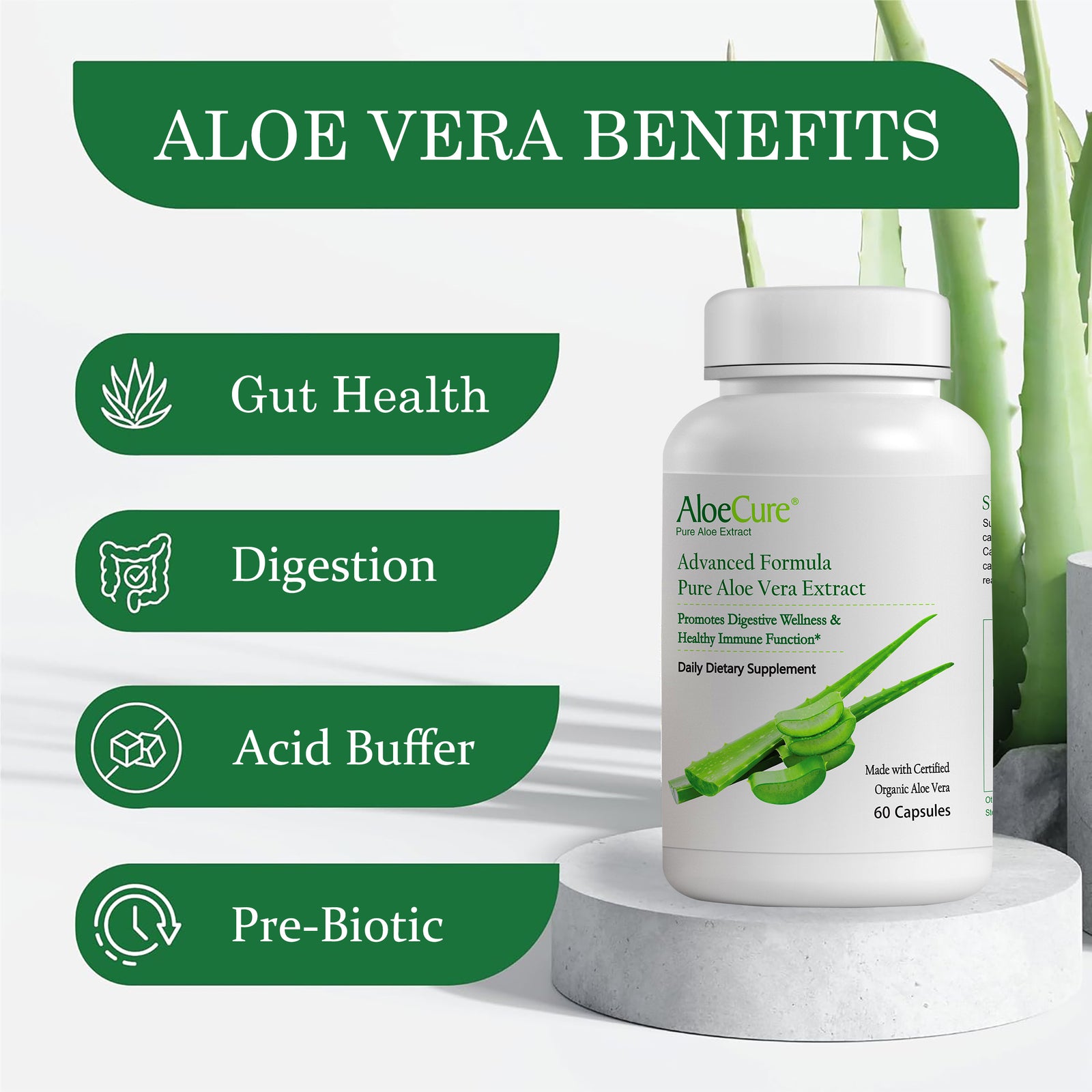
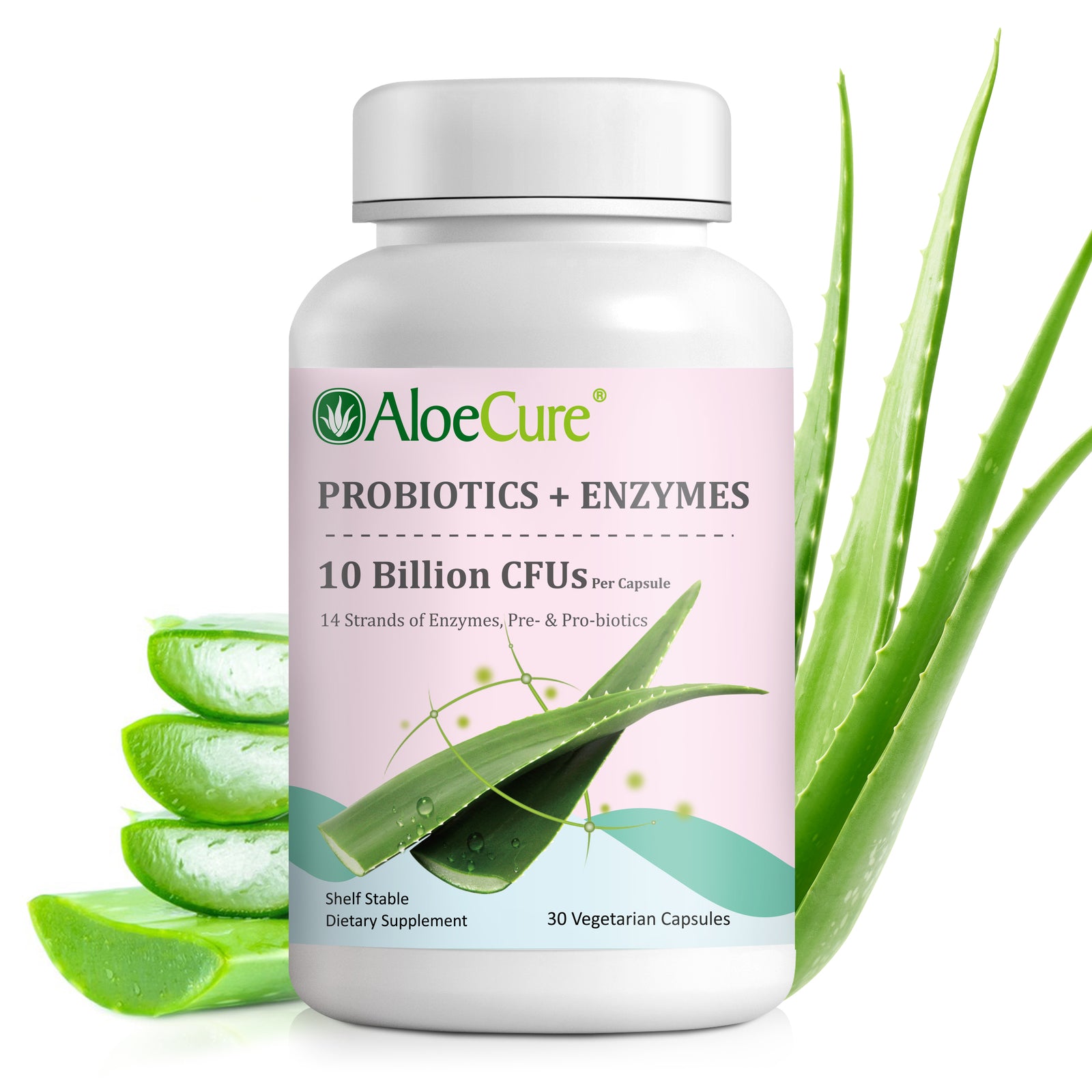
One practical example in this category is AloeCure, which states that it farms its own aloe, processes it on-site, and produces its own finished products. That kind of vertical integration gives shoppers more visibility into sourcing and handling than a typical white-label supplement brand.
You don’t need a perfect label to make a good choice. But you should expect a product to answer basic questions about origin, processing, and verification. If a brand can’t explain those clearly, the formula may not be as impressive as the bottle suggests.
A simple routine usually works better than an ambitious one. The goal is to pick products that match how you live, then use them consistently enough to notice a difference in day-to-day comfort and rhythm.
Some people prefer a liquid foundation. Others want an all-in-one capsule they can keep in a travel bag or take with breakfast. Both approaches can make sense.
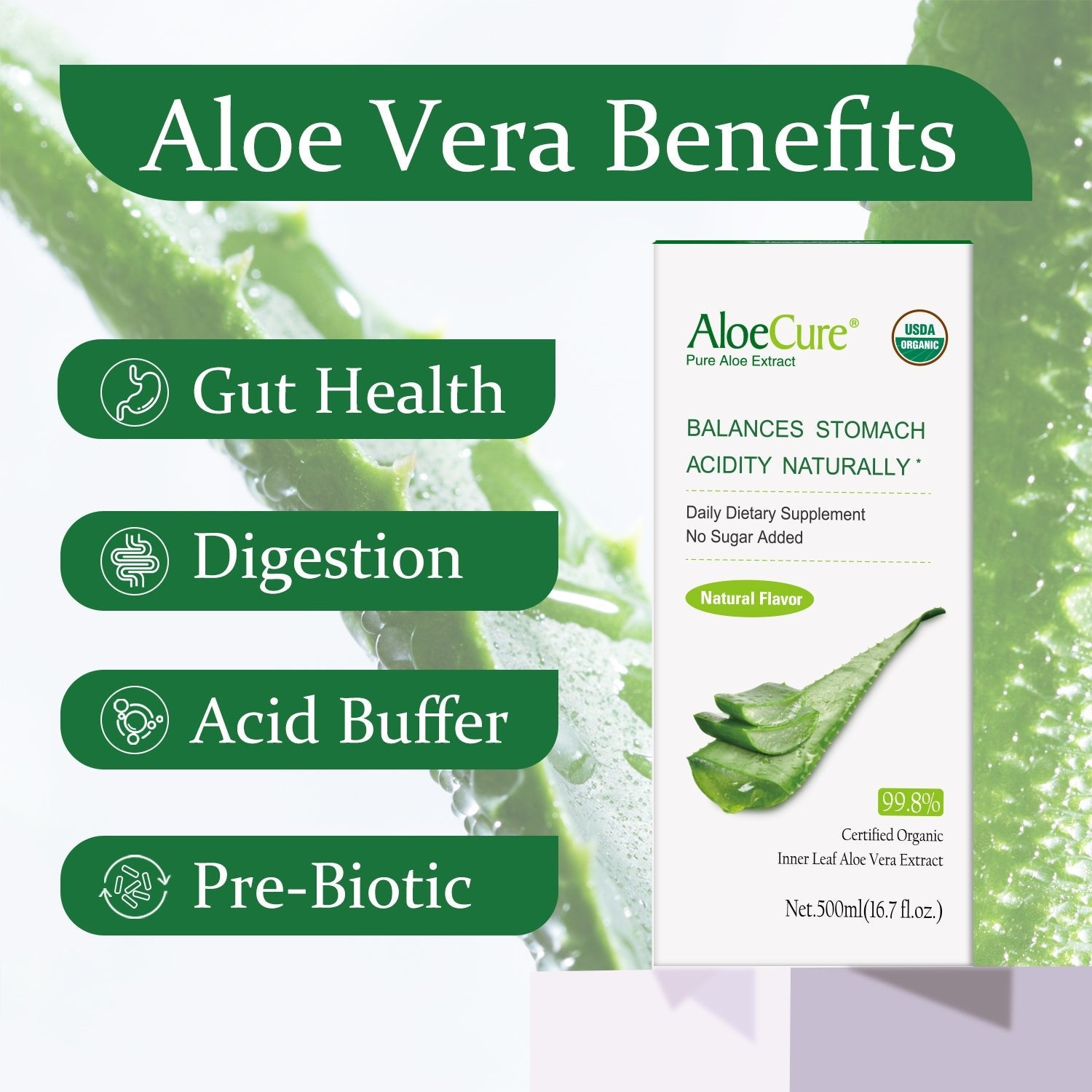
A pure aloe vera juice fits best for someone who wants a straightforward, plant-based habit that supports digestive comfort and healthy digestive system function.
This kind of product often works well for people who:
A morning serving or a consistent midday serving can make it easier to stick with. The exact timing matters less than the habit.
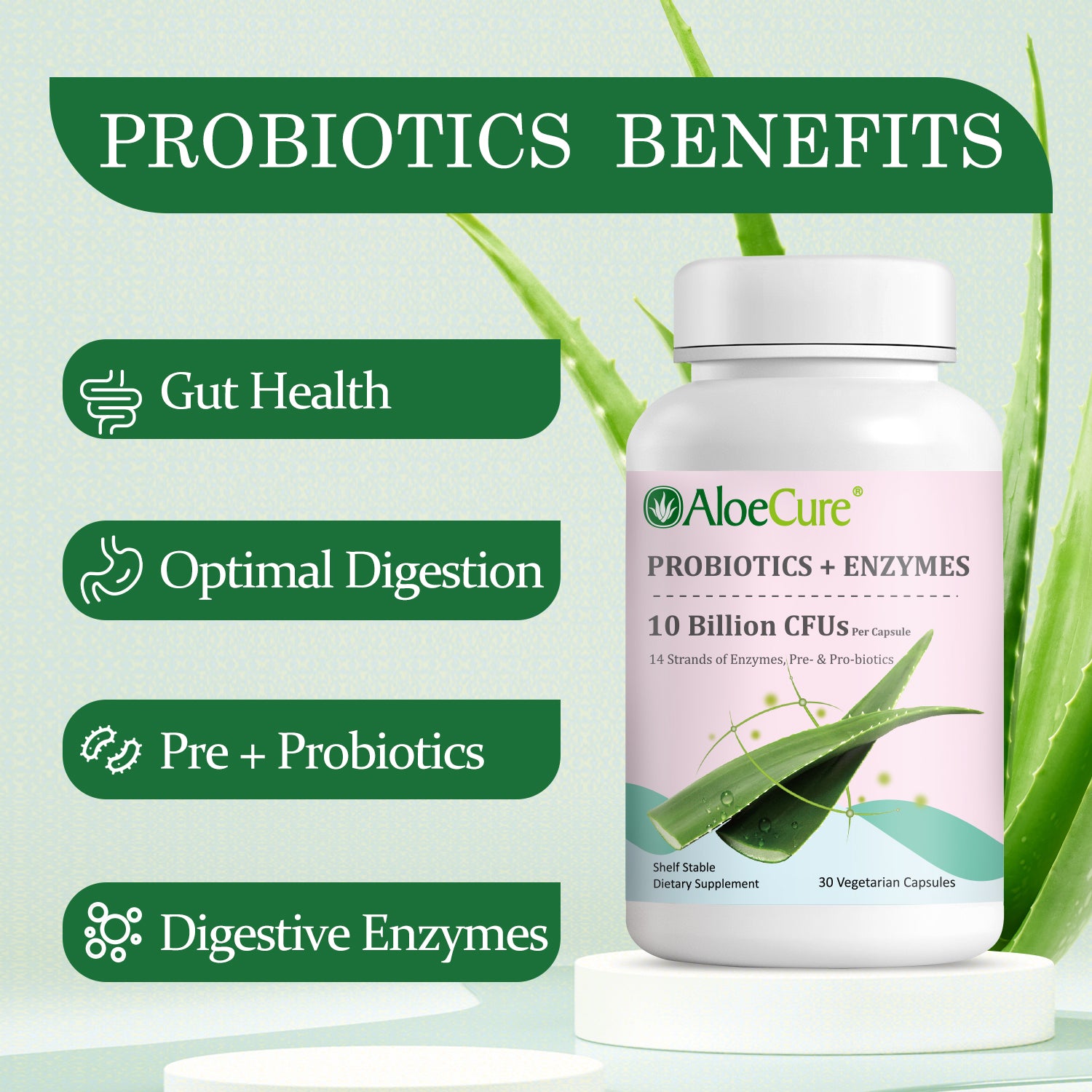
A combination formula with prebiotics, probiotics, and digestive enzymes fits a different person. It’s practical for someone who wants support across several areas at once, especially if they’d rather not buy separate bottles.
That type of formula may be a good fit if you want:
Some people eventually use both formats at different times of day. Others do better by keeping things very simple and choosing one primary product first.
A few habits make supplement routines easier to maintain:
If you’re shopping with long-term value in mind, subscription options can help reduce friction. Some shoppers also prefer the reassurance of a money-back guarantee and flexible delivery, especially when trying a new routine for the first time.
It depends on the product category, your consistency, and your baseline habits. Some people notice changes in daily comfort or meal routine fairly quickly, while others need a longer stretch of steady use. What matters most is giving the supplement a fair trial and using it as part of a broader routine that includes food, hydration, and regular meals.
Often, yes, as long as the combination makes sense and you follow label directions. A probiotic, a prebiotic, an enzyme blend, and a botanical each serve different roles. The simplest approach is to start with one core product, then add another only if there’s a clear reason.
If your routine feels confusing, it’s probably too crowded.
There isn’t one universal answer. Some people prefer aloe vera juice in the morning because it’s easy to remember. Others take enzyme blends with meals because that’s when those ingredients are most relevant. Probiotic and prebiotic formulas are often easiest to take at the same time every day, whichever meal makes that sustainable.
Neither format is automatically better. They do different things well.
Start with three things:
If a product looks impressive but hides the basics, keep looking.
Natural gut health supplements work best when you treat them as part of a long-term wellness practice, not a quick fix. The ingredient matters, but so do the farm, the processing method, the testing, and the honesty of the label. When you choose products with strong sourcing, careful handling, and clear transparency, you give your body support that aligns with everyday well-being.
These statements have not been evaluated by the Food and Drug Administration. This product is not intended to diagnose, treat, cure, or prevent any disease.
If you want to explore aloe-based wellness products with a focus on traceability, natural processing, and daily digestive support, visit AloeCure to browse the full collection and sign up for Subscribe & Save for 20% off flexible recurring orders.
Comments will be approved before showing up.