Your Cart is Empty

Most shopping advice starts with the wrong question: “Is this aloe juice pure?” A bottle can use that word prominently and still differ greatly in leaf material, processing, dilution, filtration, and testing. Pure organic aloe vera juice is defined by what reaches the bottle, but also by what the producer removes, changes, and can document.
A careful shopper should look beyond green labels and wellness language. The useful questions are practical: Is the juice made from inner-leaf gel or whole leaf? Has it been reconstituted from powder? How are anthraquinones controlled? Can the producer identify the farm, processing method, certification, and batch?
Aloe has a long recorded history, with references reaching back roughly 4,000 years and historical findings cited as far back as 2100 BCE. Today, it belongs to a mature agricultural and traded-ingredient market, not a tiny botanical niche. A 2024 agricultural review of aloe vera production and trade reports international traded aloe vera gel volume at about 60,720 tons in 2016, with estimated revenue of US$1.6 billion and a projected rise to US$2.4 billion in 2021.
Aloe juice on a shelf can represent several very different products. The phrase pure organic aloe vera juice should ideally describe juice made from organically grown aloe, with the clear inner-leaf gel separated from the rind and yellow latex, and without synthetic additives, preservatives, fillers, or unnecessary added water. That description is more demanding than a beverage that merely contains aloe flavoring.
The first comparison is between three common formats:
A fourth category is reconstituted aloe powder drink. Manufacturers dry aloe material, later mix the powder with water, and may add stabilizers or flavoring. Reconstitution isn't automatically unacceptable, but it makes the processing history and original gel integrity harder for a shopper to judge.
Many premium products identify the species as Aloe barbadensis Miller, a commonly used aloe species. Cultivar, plant maturity, rainfall, soil management, sunlight, harvest timing, and handling can all affect the amount and character of gel available for processing. Organic certification addresses how the crop is managed, but it doesn't by itself prove that the finished juice was minimally processed.
A review estimates about 24,000 hectares are dedicated to aloe cultivation globally, including 19,500 hectares in the Americas, 4,300 in Australasia, and 300 in Africa. Mexico accounts for 34% of cultivated land, followed by Honduras at 18%, the Dominican Republic at 14%, Brazil at 13%, Venezuela at 8%, and India at 6%, according to the global aloe cultivation review.
That concentration makes traceability especially valuable. A producer that can name its farms, harvest practices, and processing site gives you more useful information than a label that says “natural aloe.” The rest of the buying decision comes down to those details.
An aloe leaf has a thick outer rind, a yellow latex layer beneath that rind, and a clear inner gel. The gel is the part most shoppers mean when they look for inner-leaf aloe juice. The latex contains anthraquinone compounds, including aloin, that can create a bitter flavor and an unwanted laxative effect when they remain in a beverage.
A clean product therefore depends on separation, washing, filtration, and testing. The manufacturer needs to remove the rind and latex without stripping away the gel's naturally occurring matrix. That balance is harder than blending the entire leaf and filtering until the liquid looks clear.
The gel contains water along with polysaccharides, acetylated polysaccharides such as acemannan, glycoproteins, vitamins, minerals, and amino acids. These compounds don't exist as isolated powder-like particles in a fresh leaf. They sit within a structured gel matrix that influences viscosity, mouthfeel, sediment, and how the juice behaves after bottling.
A thin, watery drink isn't necessarily contaminated or inferior, but extreme thinness can signal dilution or aggressive processing. Conversely, a slightly fuller texture, natural cloudiness, or fine sediment may reflect retention of more of the original gel structure. Appearance alone can't prove quality, so shoppers should pair sensory clues with the ingredient panel and testing documentation.
A chemical profiling study of commercial aloe samples found that overall profiles could look similar while polysaccharide content varied substantially with processing. Researchers have also developed analytical methods for measuring acetylated polysaccharides, glucose, malic acid, lactic acid, acetic acid, and glucomannan. Those compounds can serve as technical markers when a producer verifies the integrity of its juice.

Field-grown plants receive natural sunlight and develop under real soil and weather conditions. Greenhouse cultivation can produce consistent crops, but the growing environment and harvest decisions still influence gel yield and composition. A mature leaf generally offers more developed inner gel than a young, thin leaf, which is why responsible producers should explain how they select leaves.
Organic farming isn't a guarantee of a particular polysaccharide profile. It is one part of the quality picture, alongside cultivar identification, maturity, harvest timing, separation, stabilization, and laboratory verification. The best bottle begins with a well-managed plant, then preserves as much of that plant's original character as the process allows.
The word “pure” does not reveal how aloe became juice. After harvest, the leaf must be cleaned, stripped of rind and latex, separated from its gel, stabilized, filtered, and packaged. Each decision either preserves the gel's original character or turns it into a more heavily modified liquid.
Low-heat processing is often chosen to limit changes to heat-sensitive compounds. A producer using cold-pressed or minimal-heat methods should describe that approach and explain how the juice remains stable. High-temperature pasteurization can improve microbial control and shelf stability, while potentially affecting sensitive polysaccharides and the wider range of molecular weights. The commercial aloe profiling research found that processing could substantially change polysaccharide content even when commercial samples looked broadly similar in their overall chemical profiles.
Filtration works like a sieve. A suitable level can remove unwanted plant fragments while retaining much of the gel's character. Aggressive filtration may create a bright, perfectly clear bottle by removing suspended gel particles and the natural texture that separates aloe juice from flavored water.
Some manufacturers use activated charcoal, added enzymes, or chemical clarifiers to reduce color, sediment, bitterness, or instability. Those aids are not automatic proof of poor quality, yet they can remove compounds shoppers expect in a minimally processed juice. A short ingredient list means more when the producer also explains what was removed and why.
Concentration changes the starting material too. Concentrate has water removed and added back later, while juice bottled directly from fresh gel avoids that reconstitution step. Check for “from concentrate,” “powder reconstituted,” or “aloe gel powder” if you want a product closer to harvested gel. A clearer explanation of the raw-material distinction appears in this guide to inner-leaf aloe vera juice.
Label-reading rule: A transparent producer names the aloe material, identifies the processing approach, and does not hide behind the word “pure.”

The following video offers another visual way to compare how processing choices shape the finished beverage.
Certification seals answer specific questions. They don't all answer the same question, and none should be treated as a universal guarantee of taste, gel retention, or low anthraquinone content.
USDA Organic primarily addresses agricultural and handling practices. Organic operations must keep organic products separate from nonorganic products and maintain records that document organic status throughout the supply chain, as explained in organic record-keeping guidance. Certification focuses on permitted inputs, soil management, handling, and inspection rather than proving that a juice was cold-pressed.
Organic transition history matters too. Land typically needs to remain free of prohibited substances for 36 months before it can qualify for organic certification, according to organic transition guidance. That requirement gives shoppers a useful reminder: organic status reflects sustained farm management, not a last-minute change to a label.
Non-GMO verification addresses genetically engineered ingredients. Kosher and Halal certifications concern religious dietary requirements and production controls. NSF marks, where applicable, may indicate independent testing or certification for a defined standard. cGMP compliance relates to manufacturing practices, documentation, sanitation, and process control.
Sustainability programs can add information about soil, water, habitat, worker practices, or farm stewardship. A company's own regenerative or sustainable-farming program may be meaningful, but shoppers should look for written standards and verification rather than relying on a green symbol.
A certification can also have geographic relevance. Imported aloe may carry USDA or EU organic documentation, and recognition between regions can simplify trade while still requiring shoppers to check which body issued the certificate and what product it covers.

For a practical explanation of laboratory verification, review this resource on third-party testing for aloe products. The strongest quality picture combines certification with a certificate number, current documentation, a clear ingredient list, and a disclosed processing method.
Pure aloe juice works best as a measured addition to an already balanced routine. It does not replace food, water, sleep, movement, or professional guidance. The useful question is not whether aloe promises dramatic results, but what a clean, properly processed juice may reasonably support in normal body function.
The inner-leaf gel contains polysaccharides and naturally occurring nutrients. One person may add a measured serving to cool water in the morning, then use that pause to prepare a more nourishing breakfast. Someone else may take a smaller serving with food because the taste or texture feels easier to tolerate that way. The routine should fit the person, not the marketing claim.
Aloe's gel matrix and acetylated polysaccharides are commonly discussed in connection with digestive comfort. Appropriate wording is supports healthy digestive function and helps maintain normal bowel comfort, assuming the juice has been processed to control unwanted latex compounds.
Processing matters because the inner gel and the plant's bitter latex are not the same material. If a bottle tastes sharply bitter, produces an abrupt bowel change, or causes stomach discomfort, the serving may be too large, the product may not suit you, or its latex and anthraquinone control may deserve closer review.
Aloe juice adds fluid to the diet and can serve as a plant-based alternative to sweetened beverages. It may also contain naturally occurring vitamins, minerals, amino acids, and polysaccharides. Those compounds add variety, but a serving still does not replace a varied diet.
Skin appearance is influenced by broad habits such as adequate fluid intake and nutrient-rich eating. Aloe juice may complement those habits. It should not be presented as a guaranteed cosmetic treatment.
An evening serving can provide a simple, caffeine-free pause before bed. The repeated routine, familiar taste, and added fluid may support a calming habit, while the beverage itself should not be described as changing a sleep condition.
The same careful comparison helps with other plant beverages. This balanced overview of the pros and cons of cranberry juice offers a useful reminder: assess the ingredient, serving, formulation, and personal tolerance instead of treating “natural” as universally suitable.
These statements have not been evaluated by the Food and Drug Administration. This product is not intended to diagnose, treat, cure, or prevent any disease.
Start with a conservative serving of one to two ounces and increase gradually only if your body tolerates it. A smaller starting point lets you notice taste, bowel response, hydration needs, and any changes in how you feel without making the routine difficult to adjust.
Choose a timing that fits your day:
Smoothies can soften aloe's natural taste, while cool water preserves a clean, simple profile. Avoid mixing it into hot liquids, since heat may affect sensitive polysaccharides and can change the character of the juice.
Keep the bottle refrigerated according to its label and use clean serving utensils. During the first couple of weeks, pay attention to fluid intake, bowel response, taste tolerance, and any unexpected skin changes.
If the product causes unwanted effects, stop or reduce the serving and review the ingredient panel. People who are pregnant, nursing, managing a health concern, or taking other supplements should ask a qualified healthcare professional before adding a concentrated botanical beverage.
For more preparation ideas, see this practical guide on how to use aloe vera. The best routine is the one you can follow consistently and evaluate calmly.
A useful label review takes only a few minutes. Start with the ingredient panel, then move to certification, processing, testing, and traceability. Don't let a large front-label claim replace basic documentation.
Look for these signals first:
Be cautious with phrases such as “aloe blend,” “natural aloe beverage,” or “made with aloe.” They may describe a drink containing aloe without telling you how much actual juice is present. “Aloe gel powder reconstituted,” concentrate language, and an undisclosed amount of added water also deserve closer inspection.
A trustworthy producer can answer where the aloe was grown, who processed it, whether the work was outsourced, and what laboratory tests cover. Public certificate IDs, accessible test summaries, and responsive customer service are more useful than a long list of decorative badges.
Price should be considered alongside formulation, not used as proof by itself. A very low price may reflect dilution, concentrate, a different leaf format, or a less intensive process, but only the label and documentation can tell you which explanation applies.
Nice-to-have features include glass packaging, carbon-neutral shipping, fair-trade sourcing, or a published sustainability program. These features may matter to your priorities, but they shouldn't outrank ingredient identity and contaminant control.
Give each candidate a point for clear inner-leaf identification, organic verification, a short ingredient list, disclosed processing, batch traceability, and accessible testing information. Mark down labels that hide concentrate, omit sourcing, or use broad claims without supporting details.
The highest score isn't automatically the right product. Use the checklist to identify what you can verify, then choose the bottle that matches your priorities and tolerance.
Vertical integration means one producer controls the chain from farm to finished bottle. In aloe production, that can include growing the plants, selecting and hand-harvesting mature leaves, removing the rind and latex, processing the inner gel, stabilizing the juice, bottling it, and maintaining records for each batch.
A fragmented supply chain works differently. Farmers may sell leaves to brokers, brokers may send them to a processor, and a separate co-packer may add water, flavor, or stabilizers before distribution. Every handoff creates another opportunity for delays, dilution, heat exposure, or incomplete information about processing aids.
A vertically integrated producer should be able to show more than a farm photograph. Look for:
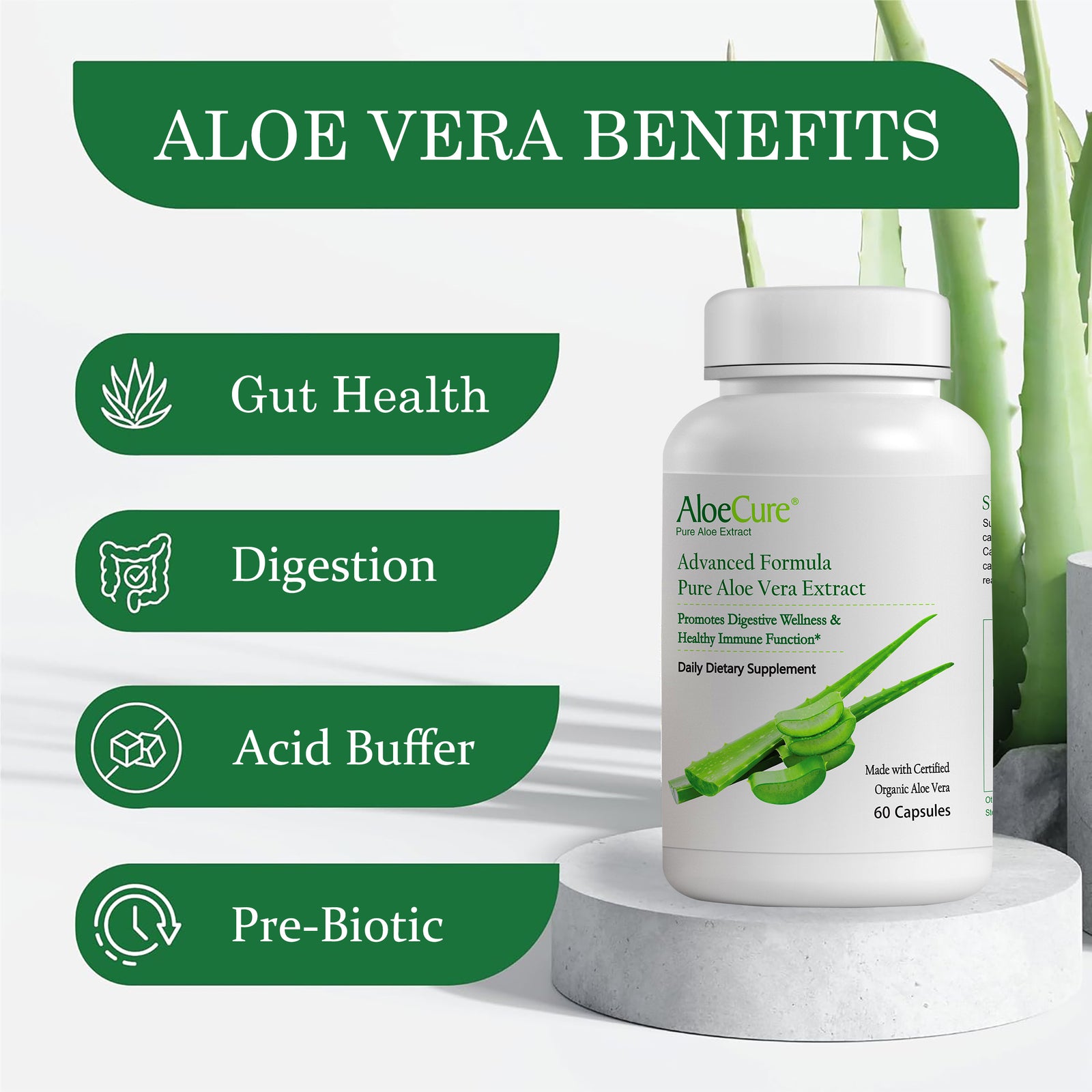
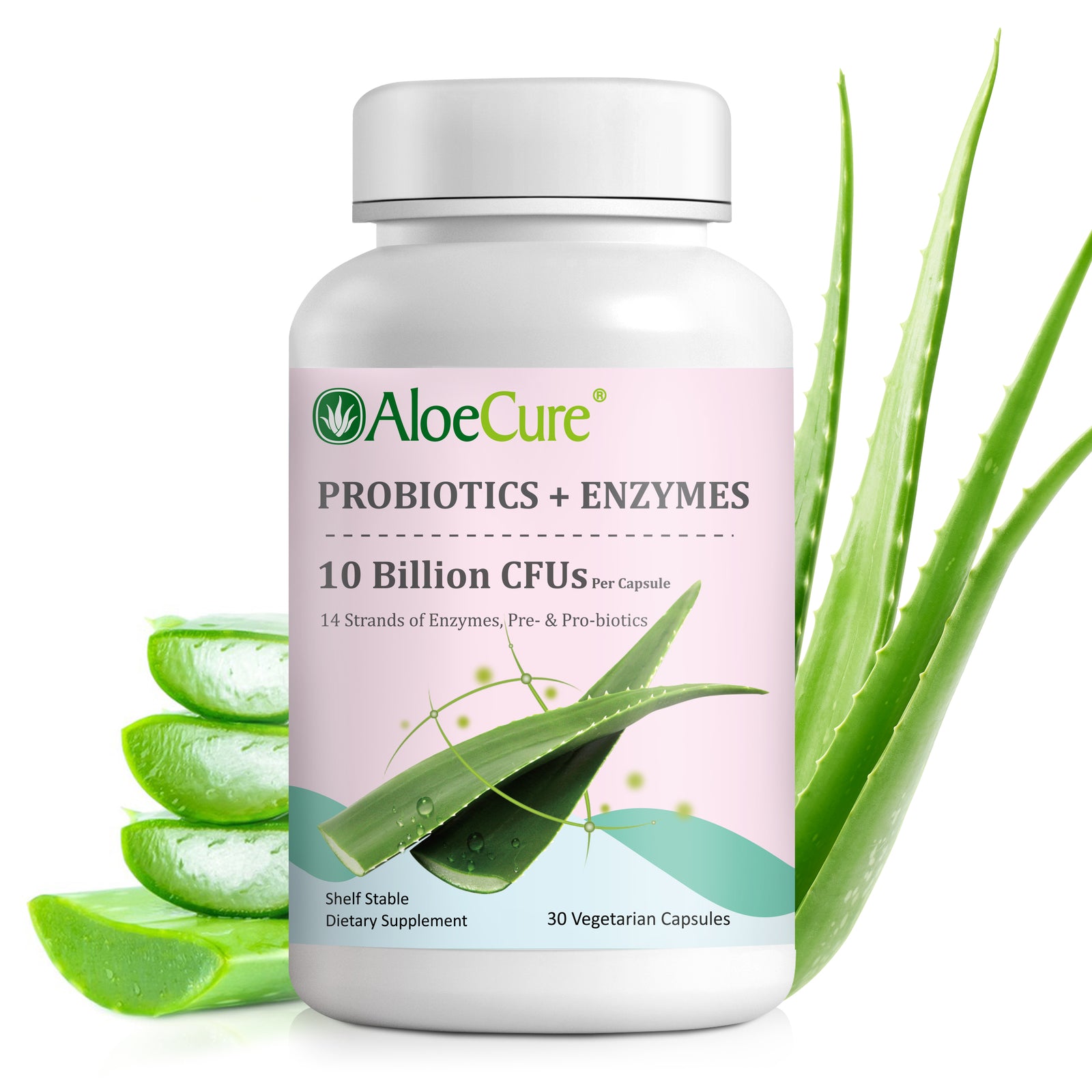
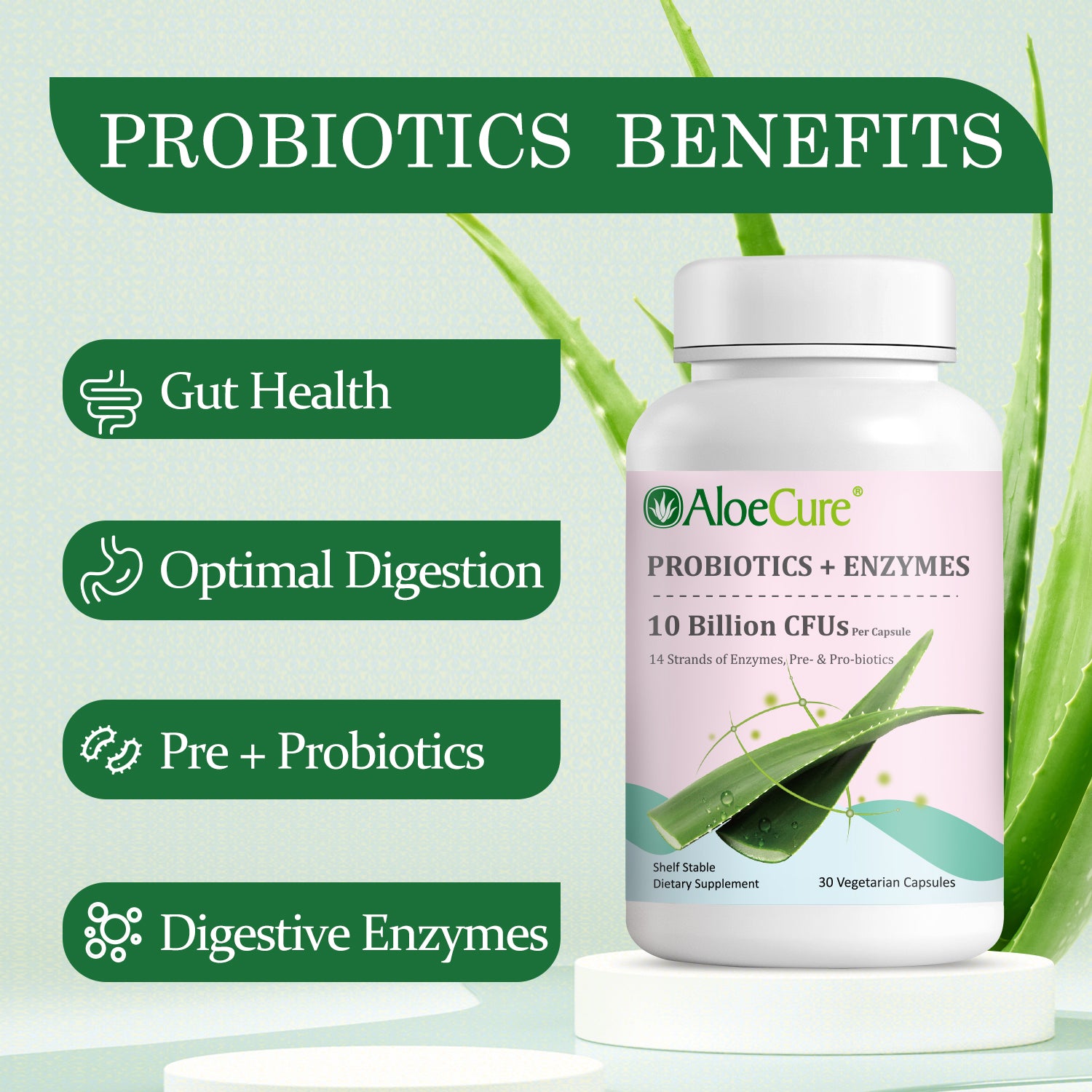
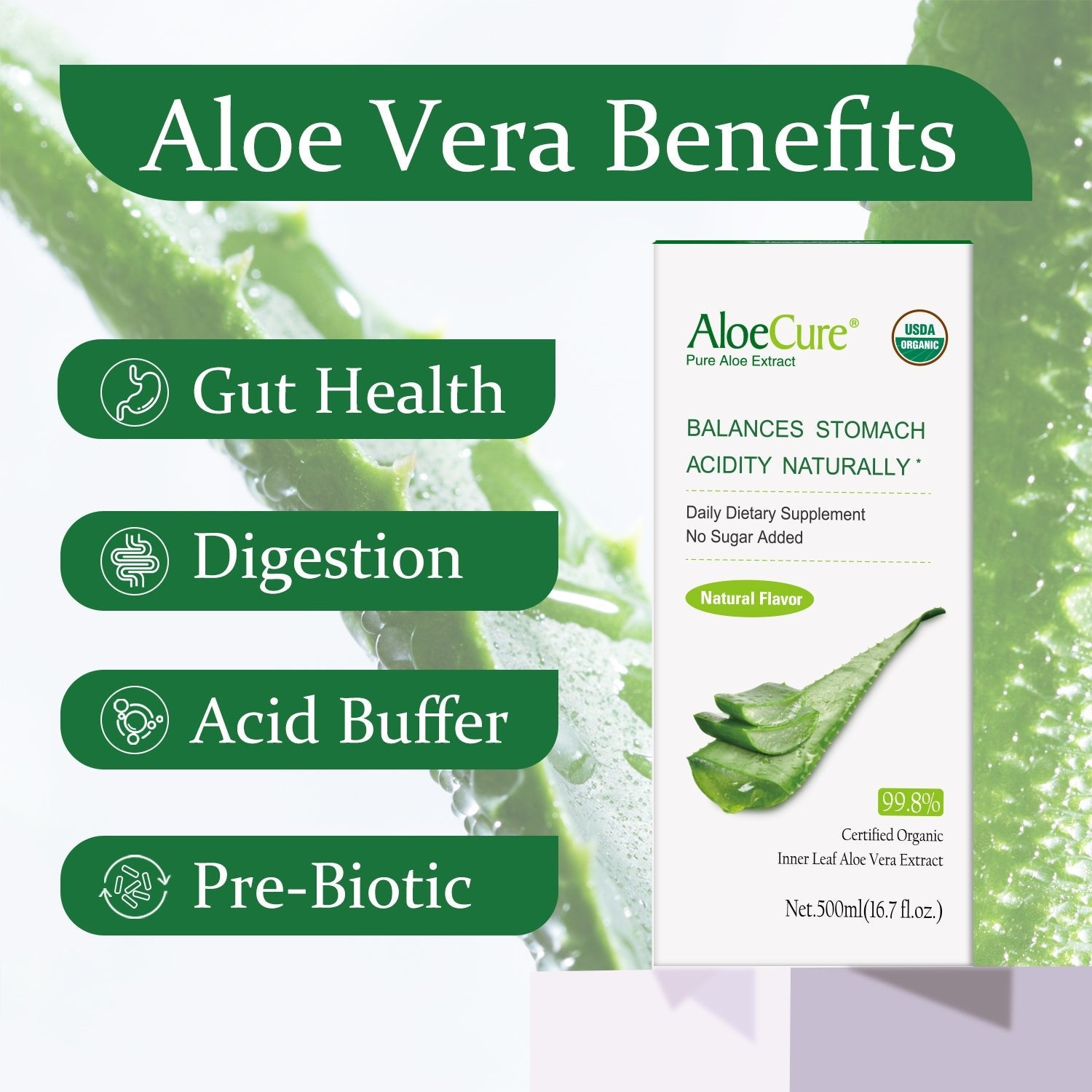
AloeCure describes a model built around company-owned organic farms, on-site processing, harvest-to-bottle traceability, third-party testing, recognized certifications, and a satisfaction guarantee. Those are the kinds of operational details that make vertical integration meaningful. The value isn't the phrase itself, but the ability to connect farming and processing choices to a specific bottle.
Safety deserves equal attention to purity. A controlled study of purified, decolorized whole-leaf juice reported total anthraquinones below 0.1 ppm and a thirteen-week rat NOAEL above 2% w/v in drinking water, with the study's reported exposure levels above 1845 mg/kg/day in males and 2920 mg/kg/day in females. This PubMed safety study illustrates why anthraquinone removal and verification are central quality controls.
Regulations can also vary by market. The EU has placed restrictions on aloe preparations containing hydroxyanthracene derivatives, while Taiwan sets an aloin limit of 10 ppm and requires a pregnancy warning above 1 ppm, as summarized in the European Union legal notice. “Pure” therefore doesn't mean uniformly regulated everywhere.
For United States supplement marketing, the FDA's structure/function claim guidance requires truthful, nonmisleading language that describes normal body structure or function without implying diagnosis, treatment, cure, or prevention. Companies using qualifying structure/function claims must also notify FDA within 30 days after first marketing the product, according to the FDA notification guidance.
If you want a bottle made with organically grown inner-leaf aloe and a farm-to-bottle approach, explore AloeCure. You can review the juice options, compare the formulation and sourcing details, and choose Subscribe & Save for 20% off recurring orders.
Comments will be approved before showing up.