Your Cart is Empty

The global botanicals dietary supplements market reached US$35.43 billion in 2024 and is projected to reach US$61.96 billion by 2030. That tells you plant based supplements are a major global category, not a passing trend.
The surprising part is this. A bigger market doesn't automatically give you better products. It gives you more labels, more claims, and more reasons to ask a harder question. How do you tell the difference between a well-made plant-based supplement and a well-marketed one?
After 25 years around organic aloe farming and processing, I've learned that most confusion starts with one assumption. People think plant-based means simple. It doesn't. Plants are complex raw materials. Their value depends on how they're grown, harvested, processed, tested, and labeled.
That's where buyers often get stuck. One bottle says “natural.” Another says “organic.” A third says “full spectrum.” None of those phrases, by themselves, tell you whether the active compounds are still intact, whether the plant material was verified on arrival, or whether the finished formula was handled carefully enough to preserve bioactivity.
Practical rule: Don't start by asking whether a supplement sounds natural. Start by asking whether the company can explain its sourcing, processing, and testing in plain language.
Plant based supplements can support healthy body function, promote everyday wellness, and help maintain normal physiological processes. But those benefits depend on quality. The rest is packaging.
Walk through any wellness aisle and you'll see how broad this category has become. Capsules, powders, juices, blends, single-ingredient formulas, and functional combinations now sit side by side. That kind of shelf presence usually reflects a real market shift, and the numbers confirm it. The global botanicals dietary supplements market reached US$35.43 billion in 2024 and is projected to climb to US$61.96 billion by 2030, implying a 9.9% CAGR over the forecast period. Asia Pacific was the largest revenue-generating region in 2024, while India is expected to register the highest CAGR from 2025 to 2030, according to Grand View Research botanicals market data.
Those figures matter because they change how we should think about plant based supplements. This isn't a small specialty corner anymore. It's a mature, expanding category with room for everything from traditional single-botanical products to modern combination formulas.
That growth also explains why buyers need better filters. A large category attracts serious growers and careful manufacturers. It also attracts companies that lean heavily on label language while saying very little about how the product was made.
A simple example is aloe. Two aloe supplements can both say “plant-based,” yet one may come from controlled cultivation and rapid on-site processing, while another may rely on more distant sourcing and heavier downstream handling. The label doesn't always reveal that difference unless you know what to look for.
The more options a market offers, the more responsibility shifts to the buyer. You need a way to sort through claims without getting buried in jargon.
A practical screening list helps:
Bigger markets create more choice. They also create more noise.
Plant based supplements are here to stay because consumers want plant-derived options that fit daily routines and support healthy body function. But durability as a category doesn't guarantee integrity at the product level. That's the issue. Not whether the market is growing, but whether the bottle in your hand deserves your trust.
Plant based supplements are dietary supplements made from whole plants or plant parts such as leaves, roots, seeds, flowers, and inner leaf gels. The main distinction isn't just that they come from plants. It's that the useful compounds begin inside a living material that can change with farming conditions, harvest timing, and processing choices.
That's why two products built around the same plant can feel very different in practice. One may preserve a broader set of natural constituents. Another may reduce that complexity through heat, delay, dilution, or aggressive refining.
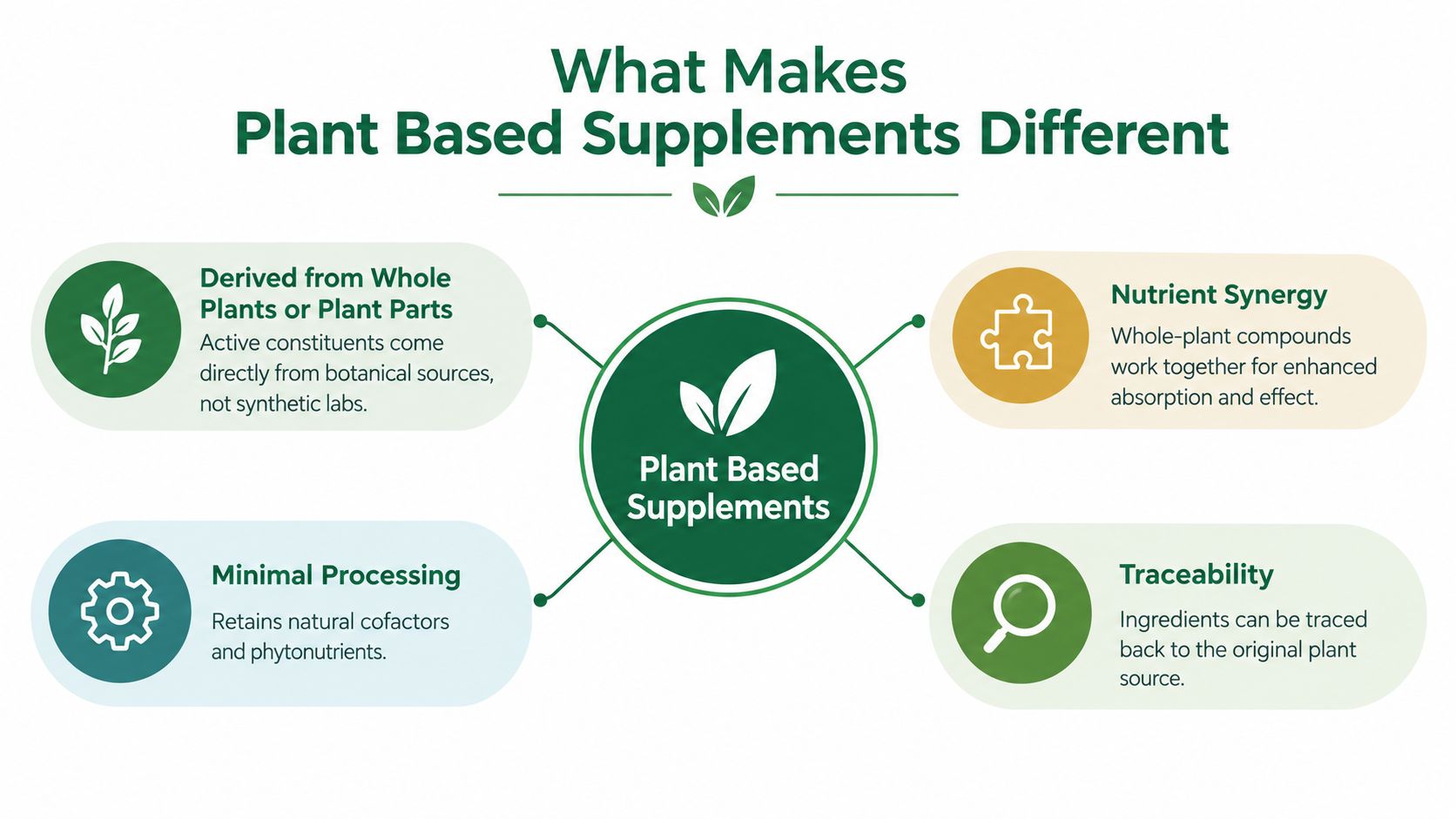
People often compare plant-based with synthetic as if the answer is obvious. It isn't. Plant based supplements differ because they come with a chain of decisions attached to them.
Here's what usually shapes the final result:
Experienced growers tend to speak differently than marketers. Growers know that “plant-based” isn't a magic word. A plant can be excellent in the field and disappointing in the bottle if the processing strips too much away.
The modern supplement environment in the United States changed in 1994 with the Dietary Supplement Health and Education Act. That law formally placed medicinal botanicals under the dietary supplement framework, limited pre-market FDA restriction, and helped create today's structure/function claims environment. In the years that followed, retail sales of herbal products more than doubled, and supplement use among U.S. adults rose from over 40% in 1988–1994 to over 50% in 2003–2006, as outlined in this DSHEA historical overview.
That history explains a lot of current label language. Companies can describe how an ingredient supports healthy body function, promotes wellness, or helps maintain normal function, but they can't legally cross into prohibited medical territory.
The right expectation for a plant-based supplement is support for normal body function, not a dramatic promise.
That legal framework also places more importance on the manufacturer's discipline. Since labels often use similar wellness language, the separator becomes the unseen work. Farming, harvest timing, identity checks, contaminant controls, formulation skill, and processing restraint.
When readers ask me what makes plant based supplements different, that's my answer. They're only as good as the care taken between the field and the finished product.
People usually enter the plant-based category with a practical goal. They want help maintaining everyday wellness in one area of life. Comfortable digestion. Healthy mobility. A calm evening routine. Healthy-looking skin. The label may mention a long ingredient list, but buyers are usually solving one simple problem at a time.
That's why examples help more than theory.
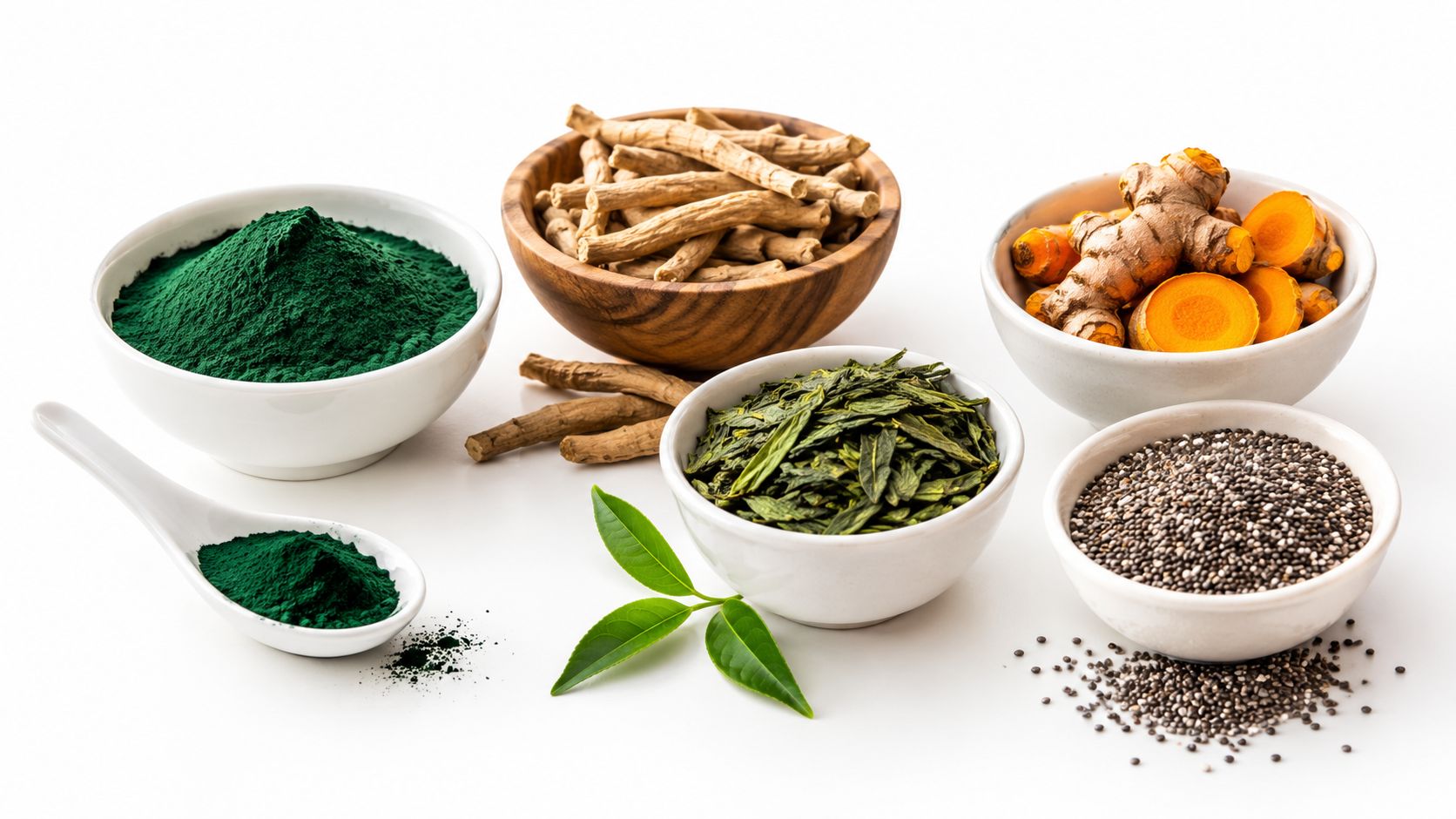
Some plant based supplements are chosen to support healthy digestive function. Others are used to help maintain normal mobility, support the body's natural nighttime rhythm, or promote skin vitality. The key is to match the formula to the function instead of chasing trendy ingredient names.
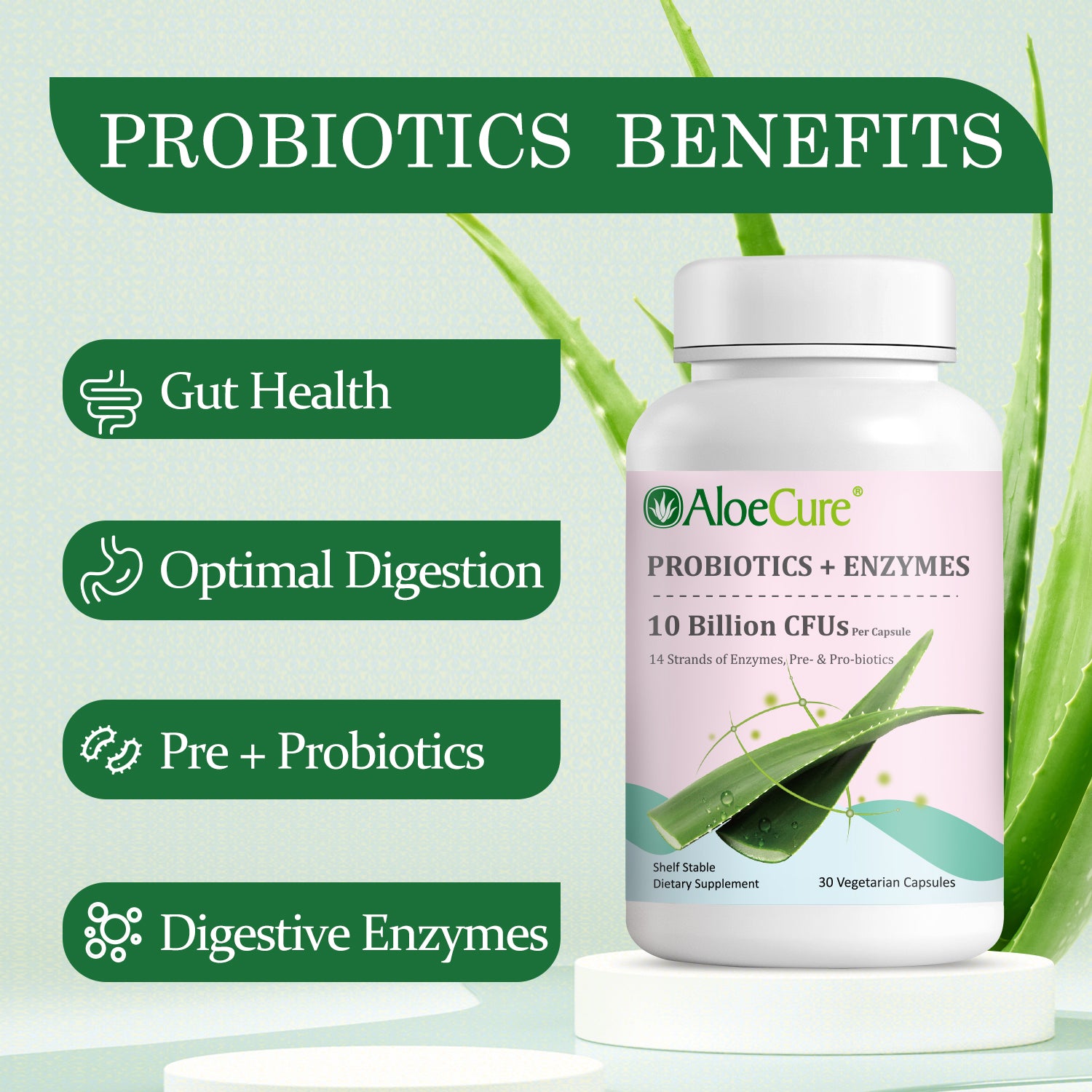
For example, a person looking for digestive support may prefer a formula built around aloe along with complementary ingredients such as digestive enzymes or beneficial bacteria. Someone focused on nightly routine may look for ingredients that support the body's natural sleep-wake cycle. A mobility-focused shopper may look for a formula designed to support joint comfort and everyday movement.
One practical resource for this category is AloeCure's article on plant-based digestive enzymes, which shows how plant-derived ingredients can be combined around a clear function instead of a vague wellness promise.
A seed oil example makes this easier to understand. For plant-derived omega-3 supplements, the source changes the outcome. A scoping review found that high-dose flaxseed oil or echium seed oil raised blood alpha-linolenic acid (ALA) but did not increase the omega-3 index, while microalgal oil consistently increased it across the reviewed studies, according to this review on plant-based omega-3 sources.
That matters because shoppers often assume all plant-origin forms are interchangeable. They aren't. One form may mainly provide a precursor compound. Another may deliver the active form more directly.
If two supplements aim to support the same wellness area, the better question isn't “Which plant does it use?” It's “Which form does it deliver?”
| Wellness focus | What buyers usually look for |
|---|---|
| Digestive balance | Formulas that support healthy digestive function and assist normal digestive processes |
| Mobility and comfort | Ingredients that help maintain normal mobility and provide targeted support for active living |
| Evening routine | Products that promote a calm, restful night and support the body's natural sleep-wake cycle |
| Skin vitality | Plant-derived products that help maintain healthy-looking skin and overall wellness |
A good plant-based formula does two things at once. It chooses ingredients that fit the intended function, and it delivers them in a form the body can use. That second part gets ignored far too often.
One of the biggest mistakes buyers make is assuming that plant-based means gentle by default. Sometimes it does. Sometimes it doesn't. The term tells you the source. It doesn't tell you the strength, the evidence quality, the right dose, or whether the formula was manufactured carefully.
A European consumer-advocacy position paper makes that point plainly. It notes that botanicals in food supplements are largely unregulated in the EU, that promised benefits are not well scientifically proven, and that health risks are underinvestigated. The same source says the plant-based supplements category is projected to rise from USD 27.52 billion in 2025 to USD 42.27 billion by 2030, and it also notes that plant-based foods can have reduced micronutrient bioavailability because phytate and fiber bind minerals, limiting absorption, as outlined in this European position paper on food supplements.
That sounds uncomfortable, but it's useful. It pushes you past the soft language that dominates this category.
Ask these instead:
This is also why ingredient education matters. If you're exploring evening-support formulas and want a plain-language example of how a specific botanical compound is discussed, this overview of the apigenin calming mechanism is a helpful reference point for understanding mechanism-based wellness language.
A supplement can look impressive on paper and still underperform if the body doesn't absorb or use it well. That's especially important with plant-derived compounds because the surrounding matrix can help or hinder delivery.
Buyers often miss this because front labels rarely discuss trade-offs. A long ingredient deck may look premium. In reality, more ingredients can also mean more formulation complexity and less clarity about what each component is doing.
A clean label isn't enough. You want a formula with a clear purpose, a sensible form, and evidence that the manufacturer pays attention to quality control.
I'm not skeptical of plant based supplements. I'm skeptical of lazy shortcuts. A thoughtful buyer should be, too.
A supplement label should help you think clearly, not push you into impulse buying. The simplest way to read one is to separate claims, quality signals, and verification details. If those three pieces line up, confidence goes up. If they don't, move on.
The FDA gives a useful framework here. It defines structure/function claims as statements describing the role of a nutrient or dietary ingredient intended to affect the structure or function of the human body. Manufacturers must submit a notification with the claim text to the FDA no later than 30 days after first marketing, and labels must carry the disclaimer that FDA has not evaluated the claim and the product is not intended to diagnose, treat, cure, or prevent any disease. FDA current good manufacturing practice guidance also says manufacturers must confirm the identity of components either by appropriate tests or by relying on a supplier certificate of analysis, making incoming-material verification a required quality-control step, as explained in the FDA's structure/function claims and GMP guidance.
A lawful structure/function claim sounds like this:
Those statements stay in the lane of normal body function. They don't drift into prohibited medical claims.
If you want more practice reading packaging language, this guide on how to read supplement labels gives a useful walkthrough.
Label check: If the language sounds dramatic, absolute, or medical, step back and read more carefully.
Good labels do more than describe benefits. They show the company follows systems.
Here's a practical checklist:
| Label Element | What to Look For |
|---|---|
| Supplement facts panel | Clear listing of ingredients and serving information |
| Structure/function wording | Claims about supporting normal body function, not prohibited medical language |
| DSHEA disclaimer | The required statement that FDA has not evaluated the claim and the product is not intended to diagnose, treat, cure, or prevent any disease |
| Identity verification signals | References to testing, supplier documentation, or manufacturing controls |
| Organic claims | Documented certification language rather than vague “natural” phrasing |
| Testing transparency | Mentions of third-party testing or contaminant screening |
USDA organic certification depends on documented compliance through production and handling, with annual inspection and record review. In practice, that means an organic claim should rest on records and oversight, not just plant origin, as summarized in this discussion of organic standards and quality control.
That same mindset applies to incoming raw materials. Identity verification is not optional. A manufacturer should know what arrived before it enters production.
Reading labels well won't make every buying decision perfect. It will keep you from rewarding vague language and weak transparency. That alone puts you ahead of most shoppers.
If I had to reduce plant based supplement quality to one phrase, it would be this. Bioactivity preservation matters. Plants are valuable because of what they naturally contain. If the processing strips too much away, the label may still look attractive while the product itself loses character.
That's why vertical integration deserves more attention than it gets. When a company controls farming, harvest, and processing, it can protect quality at each handoff instead of hoping outside steps were handled well.
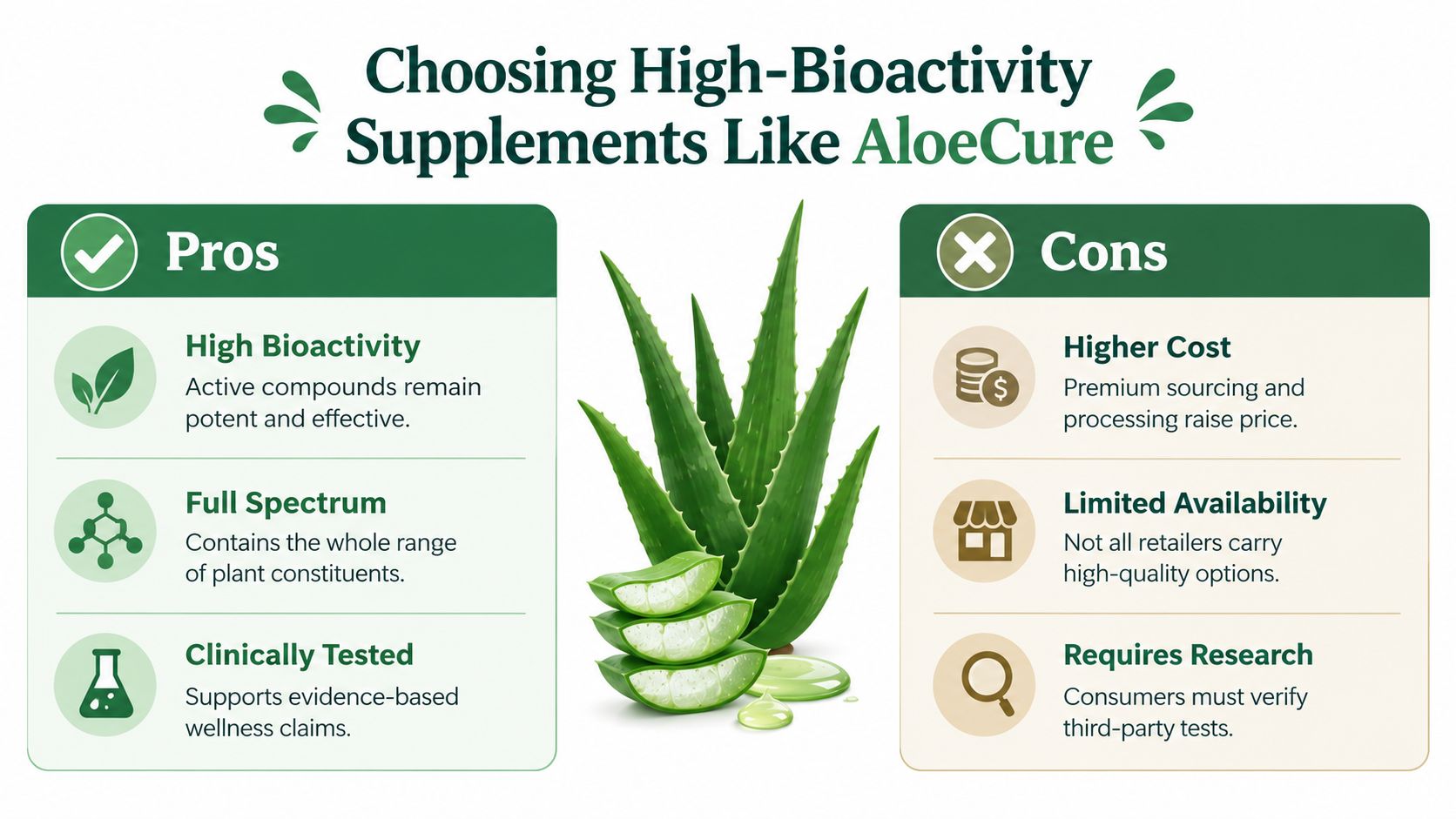
A strong quality benchmark includes several practical features:
Those points sound basic, but many brands still leave major gaps. They may talk about the plant while saying almost nothing about the path from harvest to finished supplement.
For 25 years, AGHG, the parent company behind AloeCure, has owned and operated its aloe farms, hand-harvesting USDA- and EU-certified organic aloe and processing it on-site within 12 hours of harvest. Its proprietary, patented processing method avoids the chemicals, charcoal filtration, and enzymes used by many large-scale competitors, preserving peak bioactivity. The company also offers an 8-step traceability promise, third-party certifications, rigorous testing, and a 90-day money-back guarantee. Subscribe and Save customers receive 20% off, with fast 1-2 day priority processing and free shipping on qualifying orders. Its farms also function as agro-tourismos, welcoming more than 250,000 visitors annually.
That kind of model is worth studying because it connects the quality ideas buyers care about. Organic cultivation. Controlled harvest. On-site processing. Traceability. Documented testing. Those aren't marketing ornaments. They're signs that the company understands plant material as something that needs protection, not just branding.
Later in your research, you may also compare adjacent wellness categories such as collagen support. If that's relevant to your routine, the Skin Perfection collagen peptide store guide offers a useful look at how shoppers evaluate another supplement segment.
A short look inside the farming and processing side helps make the point visually:
High-bioactivity supplements usually ask more from the producer. Better farming discipline, tighter timing, cleaner processing, and better records.
When you evaluate plant based supplements, don't stop at the ingredient headline. Ask who grew it, who processed it, how quickly it moved, and what safeguards protected it along the way. That's where quality stops being a slogan and becomes something real.
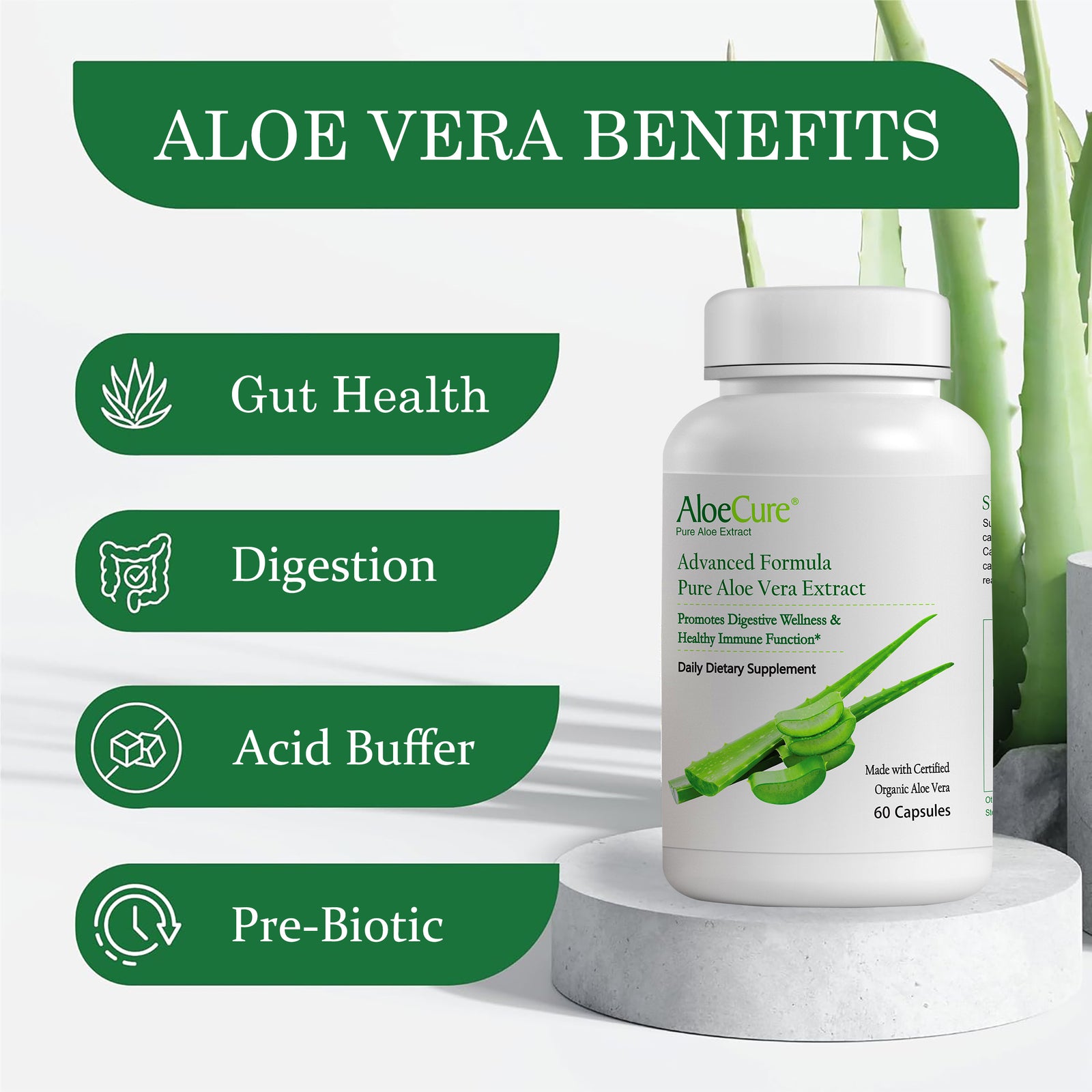
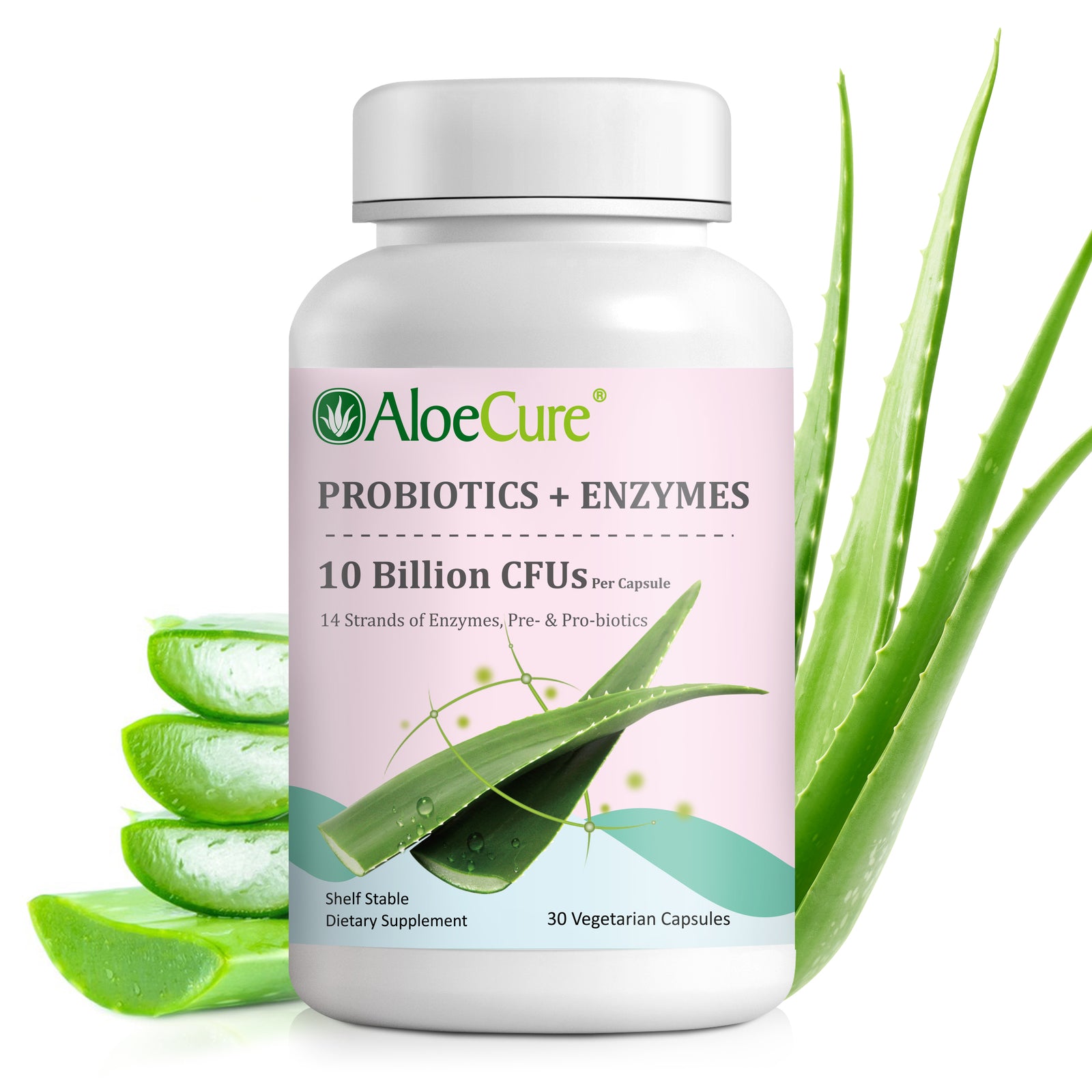
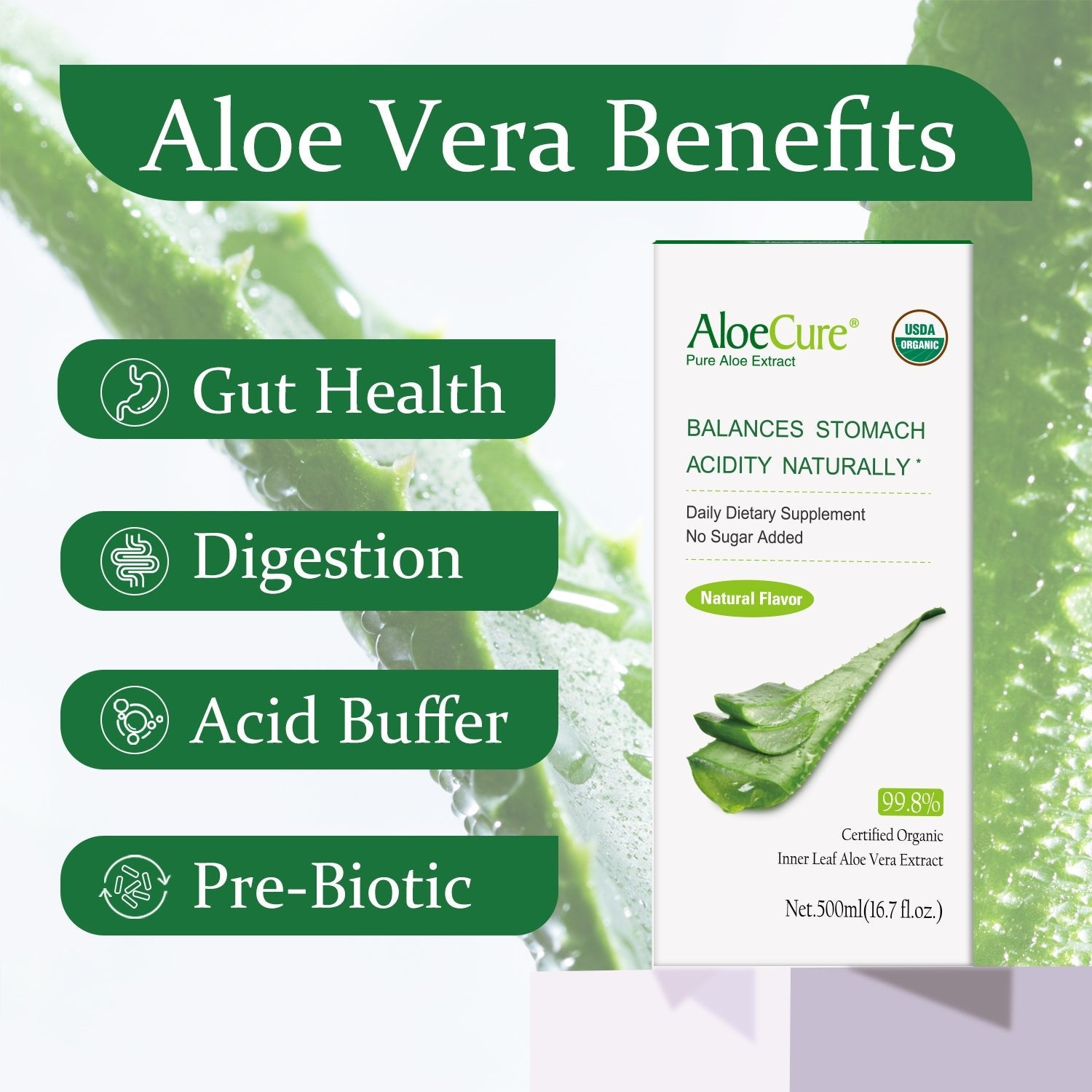
If you want plant-based options built around organic aloe, AloeCure offers pure aloe vera juice, aloe capsules, digestive support formulas, mobility support, evening support, and aloe-based skin care with traceability and careful processing at the center. You can explore the full range and sign up for subscription savings at AloeCure.
These statements have not been evaluated by the Food and Drug Administration. This product is not intended to diagnose, treat, cure, or prevent any disease.
Comments will be approved before showing up.