Your Cart is Empty


Ever notice how people ask whether plant based calcium sources are “enough,” but rarely ask whether the body can use the calcium that's on the label? That's the question. Calcium is a cornerstone mineral for nerve function, muscle movement, and bone structure, and a smart plant-based plan can absolutely support steady intake when you choose foods with absorption in mind.
The catch is that not every calcium-rich plant food works the same way. A 2024 systematic review found that people following vegan diets had significantly lower calcium intake than omnivores and vegetarians, with standardized mean differences of -0.70 versus omnivores and -0.57 versus vegetarians, both statistically significant, while vegetarians and omnivores did not differ significantly in that review (PubMed). That's why the best strategy isn't just “eat more plants,” it's choose the right plants, use fortified foods wisely, and pay attention to bioavailability, which is how much calcium your body can absorb and use.
A glass of fortified plant milk is one of the easiest ways to build a stronger calcium routine. Soy, almond, oat, and coconut drinks can all be fortified, and the most useful versions are the ones designed to deliver a calcium level that feels familiar at the table, not just good on paper.
The practical reason they matter is consistency. A large market report estimates global demand for calcium-fortified foods at US$3.2 billion in 2024, with a projection to reach US$4.3 billion by 2030 at a 5.3% CAGR (Research and Markets). That growth reflects how common these products have become in everyday shopping carts, from breakfast cereal to smoothies to coffee drinks.
Look for unsweetened versions and check whether the label lists calcium citrate or calcium carbonate. Calcium-fortified plant milks commonly fall in the 120 to 189 mg per 100 ml range, and practical consumer guidance places them among the top plant calcium choices (ScienceDirect review).
Practical rule: shake the carton before pouring. Fortified minerals can settle, so the first serving in a new carton may not match the last.

Can a bowl of greens really do much for calcium? Yes, if you pick the right leaves. Kale, collards, and bok choy are useful plant based calcium sources because they are lower in oxalates than spinach, and oxalates can bind calcium so less of it is available to the body. That difference matters because a food can look rich in calcium on paper and still give you less usable calcium after digestion.
A 2023 analysis of food calcium bioaccessibility found wide differences in gross calcium content across plant foods, and kale, finger millet, and fortified white bread ranked as the top three plant-based calcium sources in that study. Kale also delivered about 5 times more bioaccessible calcium than one serving of skimmed milk (ScienceDirect analysis). The main lesson is simple. Absorption can matter as much as the number on the nutrition panel.
Harvard's calcium guidance makes the same practical point. Spinach is not the best choice if calcium is your goal, while low-oxalate greens like kale and bok choy are better options (Harvard Health). A simple default is cooked greens at lunch or dinner, not just an occasional raw salad.
Preparation can make these greens easier to use every week. If raw kale tastes tough, massage it with a little oil or briefly steam it before blending it into soups or smoothies. That keeps the flavor approachable and helps it fit into real meals without much effort.
Tahini is one of those foods that looks modest until you realize how concentrated it is. Two tablespoons can give you a meaningful calcium boost, and sesame seeds themselves are a classic ingredient in cuisines that have long relied on dense, shelf-stable nutrition.
The tricky part is that sesame also contains phytates, and phytates can reduce mineral absorption. That doesn't make sesame a bad choice, it just means you get better results when you treat it as part of a meal, not a stand-alone miracle food. The same logic appears in dietetic guidance that places seeds among useful plant calcium sources, with typical ranges of 100 to 200 mg per serving (ScienceDirect review).
Good pairing: tahini plus lemon juice is a smart combo because acidity can support mineral use while also brightening the flavor.
Try tahini in hummus, drizzle it over roasted vegetables, or whisk it into a sauce for grain bowls. Whole sesame seeds also work well on toast, in crackers, or sprinkled over stir-fried vegetables. If you're buying tahini, stir it well before use and keep it in a cool, dark place so the oils stay fresh.
There's also a practical culinary benefit here. Tahini helps you build meals that feel complete, creamy, and satisfying without relying on dairy. That makes it especially useful for breakfast spreads, lunch dips, and simple weeknight sauces. When people ask how to make plant-based calcium feel realistic, tahini is often part of the answer.

Tofu can look simple on the plate, but its calcium content depends on what happened during production. Calcium-set tofu can be much richer in the mineral, while tofu made without calcium salts can contribute far less, so the package label matters more than the block's shape or size. The UK National Health Service leaflet reports 100 g of firm tofu can provide 320 to 500 mg of calcium, and UCSF Health lists calcium-set tofu at 250 to 750 mg per 4 oz serving (NHS leaflet).
That spread comes from a basic food science detail. The same soy base can act like a modest ingredient or a major calcium source, depending on the coagulant used during production. Calcium salts bind the soy solids and leave more calcium behind in the finished tofu, which is why two products that look nearly identical can behave very differently in a meal.
Tempeh belongs in this conversation too, especially for people who like a firmer bite and a nuttier flavor. It does not always provide the same calcium level as calcium-set tofu, but it still gives plant-based meals useful structure and staying power. If you want help with flavor, the tofu flavour guide from Smokey Rebel can make tofu easier to season well without turning it bland.
Bioavailability matters here as much as the number on the label. Calcium that is present in food is only part of the story, because the body also has to absorb it. Tofu made with calcium salts gives you a clearer calcium payoff, while tempeh adds variety and texture that can help plant-based meals feel complete and satisfying.
The practical takeaway is straightforward. Buy soy foods with intention, and use the label to tell you whether tofu is a minor ingredient or a real calcium anchor.
Fortified citrus drinks are a convenience option, and convenience matters when people are trying to keep their calcium intake steady on busy mornings. They're especially appealing because they combine calcium fortification with a naturally acidic beverage base that many people already enjoy with breakfast.
Market data on fortified foods points to clear consumer demand for this kind of practical nutrition delivery, and that's no surprise. Fortified beverages can slot into existing routines more easily than a complete diet overhaul (Research and Markets). In real life, that means someone can pour a glass with oatmeal, add it to brunch, or choose it on days when solid food just isn't appealing.
Use these drinks thoughtfully. Keep an eye on added sugars, and choose minimally processed versions when possible. A vigorous shake before pouring helps redistribute the fortified calcium, since minerals can settle in the bottle during storage.
Simple pairing idea: drink fortified orange juice with a meal that also includes greens or tofu, so calcium comes from more than one source in the same sitting.
The added vitamin C in citrus beverages is another reason people like them in plant-based routines. It doesn't replace smart food choices, but it does make these drinks a pleasant part of a broader calcium pattern. For people who want a straightforward breakfast option, fortified citrus juice is one of the least fussy tools available.
A handful of almonds or a spoonful of almond butter can do more than fill a snack gap. They fit easily into breakfast, lunch, or an afternoon bite, and that makes them useful for people trying to keep plant-based calcium intake steady without relying on one perfect food.
Almonds sit in a middle ground that readers sometimes overlook. They are not the most calcium-dense choice on this list, yet they still contribute meaningfully, especially when you use them often. Their value also comes from the wider nutrient package, since they bring fats, protein, and minerals together in a form that is simple to eat and easy to repeat.
Bioavailability matters here. Almonds contain compounds that can slow mineral absorption, so the way you eat them changes how much your body can use. Chewing well, pairing them with other foods, and using them as part of a mixed meal is more practical than treating them like a stand-alone calcium source. Soaking almonds briefly can also soften their texture, which may make them easier to digest and more pleasant for regular use.
A small practical point can help here, too. Calcium does not work in isolation, and mineral balance matters. For more on calcium and magnesium balance, see our detailed analysis of calcium to magnesium ratio.
Try them in a few different forms so they stay easy to use. Almonds work well plain between meals, almond butter spreads smoothly on whole grain toast, and both can be blended into sauces or smoothies when you want a softer texture. Homemade almond milk can also be useful, but it is not always fortified, so label reading still matters if you are counting on it for calcium.
Almonds are most useful when they become part of a repeatable habit. That might mean a steady afternoon snack, a toast topping, or a smoothie ingredient you reach for without much planning.
What makes chickpeas and other legumes so useful in plant-based eating? They bring protein, fiber, and minerals into the same bowl, which is why they fit so naturally into meal patterns around the world. Cooked legumes generally land in the 80 to 150 mg per cooked cup range for calcium, according to practical dietetic guidance (ScienceDirect review).
That calcium is part of the story, but bioavailability matters too. Some legumes contain compounds like phytates that can make minerals harder to absorb, so the goal is not just to eat more legumes, it is to use them in ways that help your body make use of what is there. Soaking dried chickpeas overnight, rinsing them well, and cooking them thoroughly can improve texture and make them easier to work into regular meals. Pressure cooking can also simplify the routine when you want batch-cooked food ready for the week.
They are also flexible. Hummus works as a dip, chickpeas can be baked for a crunchy snack, and lentils can be folded into soups or curries. When you pair legumes with grains like rice or quinoa, the meal becomes more complete from a protein standpoint, which helps plant-based eating feel easier to sustain. A chickpea salad with parsley, lemon, and a tahini dressing is a practical example of how to combine sources instead of relying on a single food to do all the work. If you like exploring ingredients with a similar “whole food first” mindset, Seed Cellar's heirloom selection at https://seedcellar.com/shop/heirloomseeds/fenugreek-seeds/ can be a useful place to look.
Use legumes as your “base layer” and let other calcium sources, like greens or tahini, do the heavy lifting.
That mindset keeps expectations realistic. Chickpeas are valuable because they make plant-based meals more filling and structured, not because they need to compete with tofu or fortified milk. Use them often, season them well, and pair them with foods that add more calcium or improve absorption.
A spoonable yogurt alternative can do more than fill a snack gap. It can also bring calcium into the day in a form that feels familiar, especially for people who want something quick in the fridge and easy to pair with fruit, seeds, or oats.
The main advantage here is fortification, not just flavor. Soy, almond, oat, and coconut versions can all be fortified, and many are designed to work well in breakfast bowls, snacks, and smoothie recipes without much effort. When a product also includes live cultures, it gives you a texture that feels close to yogurt while fitting a plant-based pattern of eating.
Label reading matters with this category. Choose unsweetened or lightly sweetened options when you can, because some versions rely heavily on added sugar and turn a useful food into something closer to dessert. If the ingredient list includes live active cultures, that usually signals a product made for more than a creamy mouthfeel, it is meant to act like a functional dairy substitute.
A simple way to use fortified yogurt alternatives is to let them anchor a meal or snack, then add ingredients that round out the bowl. Berries add freshness, seeds add crunch, and a spoon of nut butter helps make the snack more satisfying. That combination is practical because the yogurt brings calcium, while the toppings give it staying power.
If you want one simple rule, use the yogurt for calcium and structure, then choose toppings that make the snack worth eating. That keeps plant-based eating realistic, because the goal is not to build a perfect menu, it is to make enough good choices repeatable.
Fortified cereals are useful because they meet people where they already are, at breakfast. Many grain-based products are built for convenience, and fortification lets them contribute to daily calcium intake without requiring a separate meal plan.
The broader market for fortified foods is large and growing, which aligns with the fact that shoppers want nutrition they can use quickly (Research and Markets). In practical terms, that means oatmeal, cereals, granola, and muesli can all play a role if the label shows added calcium and the rest of the ingredient list still looks reasonable.
Pairing matters here. Fortified cereal with fortified plant milk is a simple combination, and choosing whole-grain versions can add fiber and better staying power to the meal. If you like oats, stir in seeds or nut butter to make the bowl feel more complete.
Read the label twice: once for calcium, once for sugar. A cereal can be fortified and still not be a great daily choice.
This category is less about dramatic calcium numbers and more about consistency. If you eat breakfast most days, fortified grains can support your total intake in a way that feels low effort. That's often the difference between a good idea and a real habit.
What makes a pantry staple useful for plant-based calcium goals? Nutritional yeast earns its place because it adds flavor first, then nutrition. Its savory, cheese-like taste helps meals feel satisfying, and fortified versions can also add calcium alongside other nutrients people often want in plant-based eating.
This kind of ingredient works best as a small, steady contributor. Fortified plant foods, including nutritional yeast, fit a practical pattern described in the ScienceDirect review, where modest amounts can still support overall intake. It is not trying to act like a main calcium source. It helps round out meals so the food people already enjoy carries a little more nutrition.
That matters because calcium intake is usually built meal by meal. A sprinkle on popcorn, a spoonful in pasta sauce, or a finishing touch on soup may seem minor, but those habits add up when they happen often. If you buy nutritional yeast regularly, check whether the package says it is fortified with calcium and look at the rest of the added nutrients too, so you know what role it can play in your routine.
Use it where its flavor makes sense. It works in sauces, soups, roasted vegetables, grain bowls, and salad toppings, and it is especially helpful when you want a plant-based dish to taste fuller without adding much effort. If you are building a broader meal pattern, the calcium and omega 3 meal plan resource can help connect calcium-rich choices with other nutrient goals in the same day.
This ingredient helps plant-based eating stay enjoyable without making meals complicated. When food tastes good, people tend to repeat it, and repeated choices are what turn a nutrition idea into a real habit.
| Item | Complexity 🔄 | Resources ⚡ | Expected outcomes 📊 | Ideal use cases 💡 | Key advantages ⭐ |
|---|---|---|---|---|---|
| Fortified Plant-Based Milk Alternatives | 🔄 Low, ready-to-drink | ⚡ Moderate, widely available, shelf-stable or refrigerated | 📊 ~200–300 mg/8 oz; variable bioavailability; often vitamin D‑fortified | 💡 Daily beverages, cooking, baking | ⭐ Convenient, familiar format; vitamin D fortification aids absorption |
| Leafy Greens: Kale, Collards, Bok Choy | 🔄 Medium, wash/cook for best absorption | ⚡ Low cost but perishable | 📊 ~100–200 mg/cooked cup; high bioavailability, adds K and Mg | 💡 Side dishes, soups, smoothies, meals | ⭐ Whole‑food nutrient density with superior calcium uptake |
| Tahini and Sesame Seeds | 🔄 Low, minimal prep/spreadable | ⚡ Moderate, shelf‑stable, calorie‑dense | 📊 ~150–200 mg/2 tbsp tahini; concentrated minerals and healthy fats | 💡 Dressings, spreads, sauces, concentrated boosts | ⭐ High calcium per serving; versatile and long shelf‑life |
| Fortified Tofu and Tempeh | 🔄 Medium, cook/marinate for best flavor | ⚡ Moderate, refrigerated (tempeh/firm tofu) | 📊 ~250–400 mg/½ cup (calcium‑set); complete protein | 💡 Main protein in stir‑fries, sandwiches, grills | ⭐ High calcium plus complete protein; versatile textures |
| Fortified Orange Juice and Citrus Beverages | 🔄 Low, ready-to-drink (shake before use) | ⚡ Moderate, shelf‑stable or refrigerated; contains sugars | 📊 ~200–350 mg/8 oz; vitamin C enhances absorption | 💡 Breakfast, quick calcium with vitamin C | ⭐ Natural vitamin C synergy; pleasant, familiar format |
| Almonds and Almond Butter | 🔄 Low, ready-to-eat | ⚡ Moderate, shelf‑stable, calorie‑dense | 📊 ~150–200 mg/¼ cup almonds or 2 tbsp butter; mineral synergy | 💡 Snacks, spreads, on-the-go nutrition | ⭐ Portable whole food with multiple supportive minerals |
| Chickpeas and Legume-Based Products | 🔄 Medium, soak/cook or use canned | ⚡ Low, inexpensive dried or canned options | 📊 ~80–150 mg/cooked cup; adds protein, fiber; moderate bioavailability | 💡 Stews, hummus, salads, protein‑rich meals | ⭐ Affordable, sustainable, nutrient‑dense staple |
| Fortified Plant-Based Yogurt Alternatives | 🔄 Low, ready-to-eat | ⚡ Moderate, refrigerated; higher cost per serving | 📊 ~200–300 mg/serving; probiotics may support absorption | 💡 Snacks, breakfast bowls, probiotic support | ⭐ Combines calcium with live cultures for digestive benefits |
| Fortified Cereals and Grain-Based Products | 🔄 Low, minimal prep | ⚡ Low, affordable, shelf‑stable | 📊 ~100–400 mg/serving (varies); often vitamin D‑fortified | 💡 Breakfast routine, quick meals | ⭐ Integrates with daily habits; often fortified with complementary nutrients |
| Nutritional Yeast and Fortified Nutritional Products | 🔄 Low, sprinkle or mix | ⚡ Low, shelf‑stable seasoning; moderate cost | 📊 ~80–200 mg/2 tbsp (brand‑dependent); adds B vitamins (often B12) | 💡 Seasoning, sauces, popcorn, flavor enhancement | ⭐ Adds calcium plus B‑vitamins and umami flavor to dishes |
Building a diet rich in plant-based calcium is really about stacking smart choices instead of chasing one perfect food. The strongest approach usually includes fortified plant milks, calcium-set tofu, low-oxalate greens, legumes, and seeds, because those foods give you both flexibility and reliability. The 2024 review showing lower calcium intake in vegan diets makes that balance especially important, since it reminds us that plant-based eating doesn't automatically equal adequate calcium intake (PubMed).
Bioavailability is the part people miss most. A food can look rich in calcium on the label and still deliver less than expected if oxalates or phytates get in the way, while a fortified food or calcium-set tofu may give you more usable calcium in practice. That's why the best plant based calcium sources aren't just the highest numbers, they're the foods you can absorb, digest, and repeat regularly.
Preparation helps too. Light cooking, pairing with acidic foods like lemon juice, choosing fortified products, and spreading calcium-rich meals through the day all make the pattern more effective. Harvard's guidance on lower-oxalate greens and the bioaccessibility research on kale both point to the same practical truth, the way you eat matters nearly as much as what you eat (Harvard Health), (ScienceDirect analysis).
A simple daily rhythm could look like this, fortified plant milk at breakfast, greens or tofu at lunch, tahini or nuts as a snack, and legumes or fortified grains at dinner. That kind of structure is easy to live with, and it gives your body multiple chances to get the mineral support it needs without forcing any single meal to do all the work.
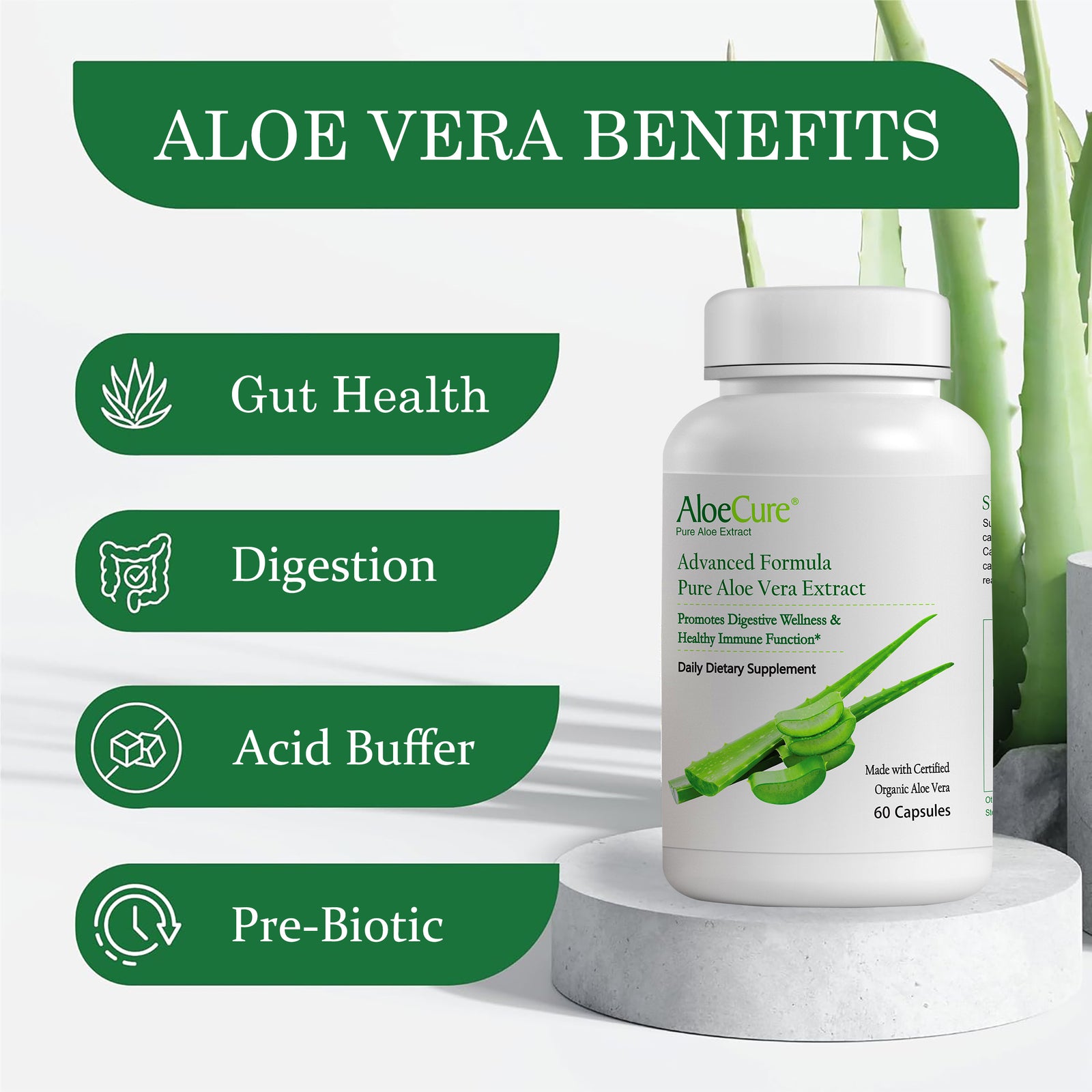
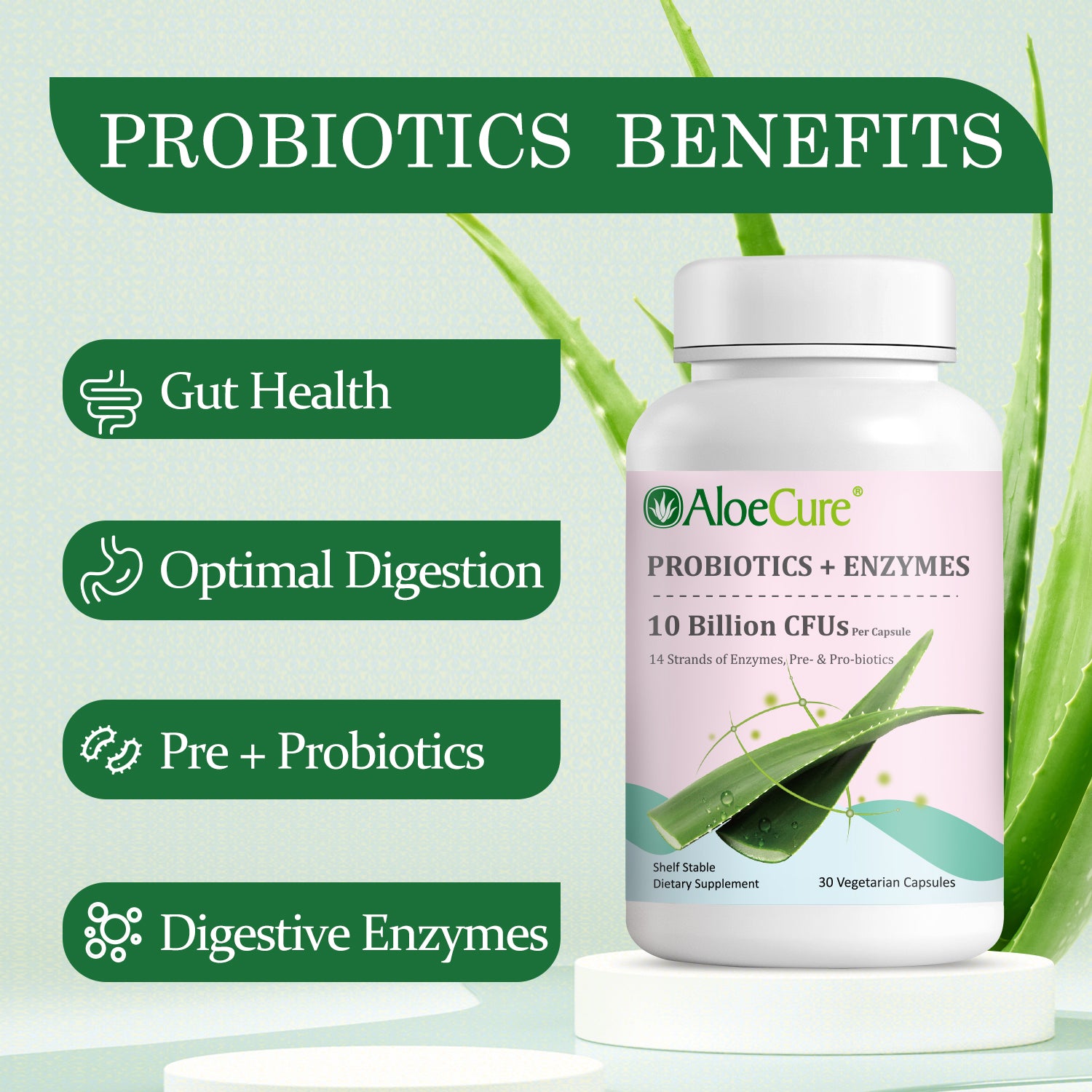
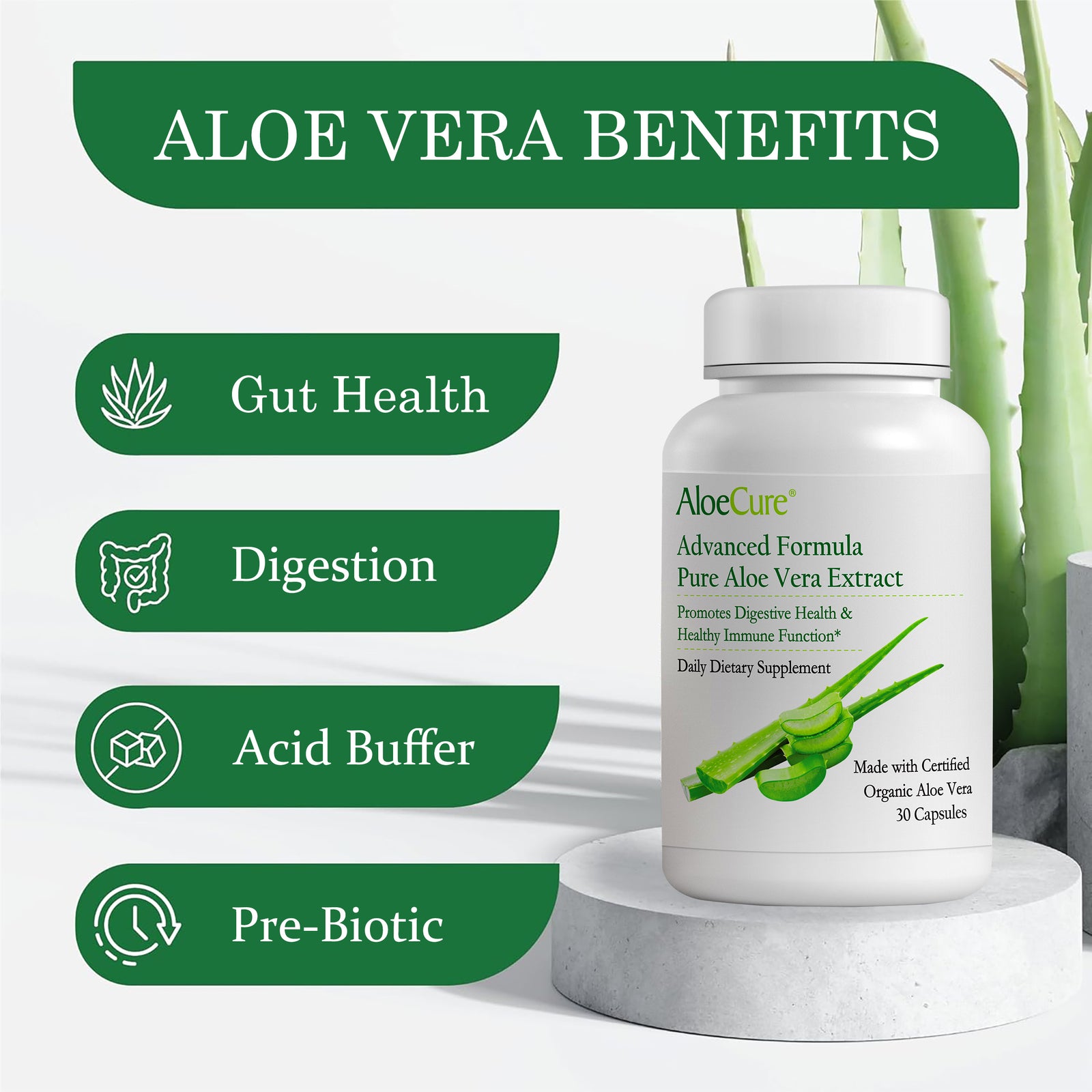
If you're also looking for clean, plant-based wellness products to support your routine, explore AloeCure's organic aloe vera juices and supplements. They're a good fit for people who want thoughtfully made products from a brand that values quality, traceability, and a plant-forward lifestyle. Visit AloeCure and see how their collection can complement your everyday wellness habits.
These statements have not been evaluated by the Food and Drug Administration. This product is not intended to diagnose, treat, cure, or prevent any disease.
If you want to keep building a plant-based wellness routine, AloeCure offers organic aloe vera juices and supplements made with a strong focus on quality and consistency. Their products can complement a calcium-conscious lifestyle by supporting your broader daily wellness habits. Visit AloeCure to explore the collection and find a fit for your routine.
Comments will be approved before showing up.