Your Cart is Empty


You're standing in the refrigerated drinks aisle with two bottles in hand. One contains plain aloe juice with a green, vegetal character. The other promises grape or lemon flavor and looks more familiar, almost like a fruit drink. The choice seems simple until you turn both bottles around and start comparing sugar, aloe percentage, processing details, and certifications.
Flavored aloe vera can make aloe easier to enjoy, but flavor alone doesn't make a product more beneficial. It changes the drinking experience and may also change the ingredient profile. This guide will show you how to read the bottle calmly, spot meaningful differences, and decide which trade-offs fit your routine.
A first sip can explain why flavored aloe vera drinks appeal to new buyers. Plain aloe may taste vegetal or faintly bitter, carry a light earthy aroma, or feel thicker when gel remains suspended. Those traits come from the aloe base, so a short ingredient list does not always make the drink familiar or easy to enjoy.
Grape adds a recognizable fruit note. Lemon and lemon-lime can make the drink taste brighter and less heavy. Flavor works as an accessibility feature, helping some people include aloe in a routine. It does not upgrade aloe's properties, and the added ingredients may change the product's overall profile.
Practical rule: Treat flavor as a preference feature first. Compare the aloe or juice percentage, sugar, processing method, and certifications separately.
A simple label check keeps the comparison grounded. First, look at how much sugar the flavor system brings. Then check the stated aloe or juice percentage, since a fruit-forward taste does not by itself show how much aloe the bottle contains. Next, review whether the product describes inner-leaf material, whole-leaf processing, filtration, or another method. Certifications can add information about production standards, but they do not replace the ingredient list.
The category also has a longer history than recent wellness trends suggest. The National Library of Medicine's aloe vera toxicology reference records commercial aloe cultivation in the United States beginning in Florida during the 1920s, followed by the use of aloe gel extracts in foods, beverages, and cosmetics during the 1970s. It lists aloe-containing products including soft drinks, yogurt, jams, instant tea granules, candies, alcoholic beverages, and ice cream.
That history places flavored aloe within the broader food and beverage trade, rather than treating every bottle as the same type of product. The same reference distinguishes food flavoring from aloe products marketed for stimulant laxative use. In 2002, the U.S. Food and Drug Administration acted on aloe used for that purpose in over-the-counter products because manufacturers had not supplied requested safety evidence. Aloe may still be used as a food flavoring under the applicable regulation described in the reference.
Commercial interest has also extended beyond plain aloe. One industry estimate placed flavored products at 56.70% of global aloe-vera-based drink revenue in 2025, while aloe juice and ready-to-drink products together represented 72.15% by product type. The same aloe vera drinks market analysis identifies these as commercial estimates, so use them as directional context rather than official national accounts.
The useful conclusion is simple: a flavored bottle may be easier to drink, but it isn't automatically a better bottle.
A shopper who finds plain aloe too vegetal may choose a fruit-flavored bottle because it is easier to drink. That makes flavor an accessibility feature, not proof of a better formula. To compare products, start with the plant material, then read how the drink was built.
Inner leaf gel is the clear material taken from inside the aloe leaf after the outer rind and latex layer are separated. A beverage made mainly from this material may be called aloe vera juice, aloe gel drink, or aloe water, depending on the formulation and local labeling practices.
Whole-leaf aloe uses more of the leaf before processing. It may undergo decolorization and filtration to reduce unwanted compounds, including aloin. Decolorized aloe gel and whole-leaf extract are not interchangeable terms, so check the exact wording instead of treating every aloe beverage as equivalent.
A flavored aloe beverage combines an aloe-based liquid with a fruit, botanical, or flavoring ingredient that shifts the taste away from aloe's natural profile. The flavor may come from fruit juice, concentrate, natural extract, or a listed flavoring compound. Sweeteners, acids, stabilizers, colors, and preservatives may also appear.
The NCCIH overview of aloe vera distinguishes aloe gel from aloe latex and explains why oral aloe preparations can differ according to their contents and processing.
Use four label checks for any flavored bottle: the sugar amount, the stated aloe or fruit juice percentage, the processing description, and any relevant certification seal. A fruit name on the front does not answer these questions. Turn the bottle around and see whether aloe juice or gel appears near the top, which leaf material is identified, and whether the label provides information about decolorization or aloin control.
A bottle of aloe can become easier to approach when its flavor feels familiar. Flavor works as an accessibility feature, helping shoppers who find aloe's vegetal taste unfamiliar, while the ingredient label still determines what they are buying. Grape and lemon show how the same aloe base can create different impressions of sweetness, acidity, color, and aloe intensity.
| Flavor Profile | Taste Impression | What to Check |
|---|---|---|
| Natural | Light aloe character with a vegetal finish | Whether aloe juice or gel appears near the top, plus any sweetener |
| Grape | Fuller fruit note with a rounded sweetness impression | Grape juice, concentrate, cane sugar, syrup, and the stated aloe percentage |
| Lemon | Bright, clean, and more tart | Lemon ingredients, citric acid, sweetener balance, and the stated aloe percentage |
Grape can make aloe feel closer to a familiar fruit drink. The word “grape” alone does not show whether the bottle contains grape juice, grape concentrate, or only a flavoring. Juice and concentrate may contribute fruit solids, sugar, or color, while a flavoring can provide a grape note without showing the same ingredients on the label.
Lemon often makes the drink seem cleaner and can soften the perception of aloe's bitterness. Its sharper profile may also signal more acidity from lemon ingredients or citric acid. That brightness changes the sensory experience, but it does not reveal the product's aloe content or processing method.
Use the flavor name as a starting clue, then compare the formula. Check the sugar amount, the stated aloe or fruit juice percentage, the processing description, and any certification seal. A bottle with a bold fruit name may still contain little fruit juice, while a lightly flavored product may retain a more noticeable aloe character.
The published research on aloe juice stability reports that vitamin C and citric acid can help reduce enzymatic browning, improve flavor, and stabilize the beverage matrix. It also found that higher citric-acid and sucrose concentrations were associated with reduced color and gelatinoid stability, while low concentrations of vitamin C and sodium chloride improved stability. These findings show why taste, appearance, texture, and shelf stability need to be considered together.
A tart lemon drink may have a carefully balanced formula, and a sweeter grape drink may still fit a shopper's preferences. Neither flavor proves higher quality by itself.
For a sensory reference, compare this description of what aloe juice tastes like, then use the label to identify what creates that taste. Flavor should make aloe more approachable, not distract you from the ingredient profile.
A shopper who finds plain aloe too bitter may reach for a lemon, grape, or berry version. Flavor can make the drink easier to approach, much like adding a familiar handle to an unfamiliar tool. It changes accessibility and enjoyment, not automatically the aloe's quality or benefits.
A flavored aloe drink usually starts with filtered aloe juice or gel. The producer blends in one or more flavor inputs, adjusts sweetness and acidity, then uses a preservation or stabilization process suited to the product.
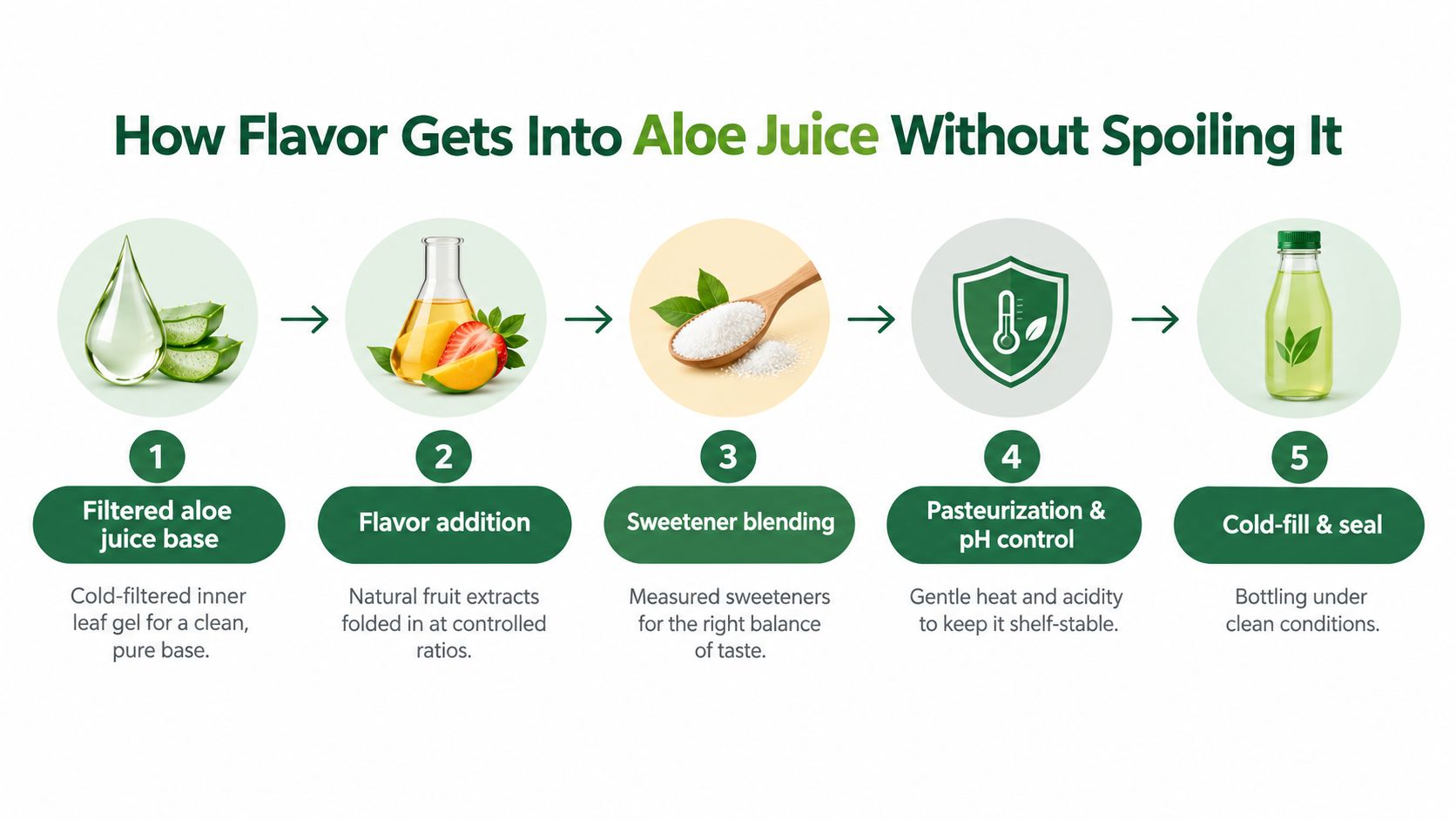
Real fruit juice or concentrate adds fruit solids, aroma, and sometimes natural color. “Fruit juice from concentrate” means the fruit component was concentrated before being blended into the beverage. Its presence does not tell you how much aloe the bottle contains, so check the stated juice percentages.
Natural fruit extracts mainly provide aroma or flavor. Lemon extract, for example, can add a citrus note without contributing the same amount of fruit solids as lemon juice. The rest of the formula controls sweetness, acidity, and texture.
Listed flavor compounds may appear as “natural flavor” or another regulated flavoring term. This wording identifies a flavor category, but may not name the source fruit. Shoppers who want more source detail can look for a more specific ingredient statement.
Vitamin C, also called ascorbic acid, may act as an antioxidant and support color stability. Citric acid can sharpen flavor and help manage pH. Sweetener may be included even in a lightly flavored drink because aloe's bitterness and acidity can be difficult to balance.
A stable drink must keep its intended taste, appearance, and texture over time. Product developers may track pH, titratable acidity, soluble solids, color, and viscosity together. A beverage that tastes good on production day still needs shelf-life testing to check its appearance and suspended aloe texture.
A lower acid or sweetener load may suit a formula better than an aggressively tart or sweet one. Ask whether each added ingredient has a clear formulation purpose. Then compare the ingredient list with the nutrition panel, aloe percentage, processing description, and any organic or other certification seal.
Use the front label to identify the flavor story. Use the back label to see how it was built. That framework lets you compare flavored aloe bottles without treating a bold fruit name as proof of higher quality.
A shopper new to aloe may reach for a flavored bottle because the fruit taste makes the drink easier to enjoy. Flavor can serve as an accessibility feature, helping someone include aloe in a routine without forcing them to accept a strongly vegetal taste. It does not automatically improve the ingredient profile.
A plain inner-leaf aloe juice may have a short list centered on aloe juice, vitamin C, and sometimes lemon juice for freshness. A flavored version may include fruit juice, concentrate, natural flavor, sweetener, citric acid, color, or texture modifiers. Each ingredient can serve a technical purpose, while also changing what the bottle delivers.
| Attribute | Plain Aloe Juice | Flavored Aloe Drink |
|---|---|---|
| Main taste | Vegetal and aloe-forward | Fruit, citrus, or botanical notes over aloe |
| Sugar source | Depends on the base and any sweetener | May include juice, concentrate, cane sugar, or another sweetener |
| Aloe percentage | Often easier to identify as the central ingredient | Requires checking because other liquids may dilute the aloe |
| Acidity | May be moderate or supported by lemon juice | May increase with lemon, citric acid, or fruit ingredients |
| Added flavor | Usually absent or limited | May appear as fruit extract or natural flavor |
| Texture | Reflects the original aloe base | May change with filtration, pulp, gums, or suspended gel |
Juice concentrate or added cane sugar can give a flavored product more sugar than a plain one. A flavored bottle can also show a lower aloe percentage because more of its liquid comes from fruit or other ingredients. That trade-off is not automatically a flaw. The drink is providing aloe while also creating a fruit beverage experience.
Plain aloe presents a different trade-off. With less flavor cover, its bitterness, aroma, and texture are easier to notice. That can make the aloe base and processing character easier to assess, although the taste may discourage someone who is new to aloe.
Compare serving size, total sugars, juice percentage, and sweetener type together. Then check the processing description, such as whether the product is filtered or contains pulp, and look for organic or other certification seals. A seal can describe a production standard, but it does not replace reading the ingredient list. Do not compare sugar per container with sugar per serving. Ask whether the fruit ingredient replaces aloe, dilutes it, or mainly supplies aroma.
The better choice matches your routine and taste preferences, not the bottle with the boldest fruit claim.
Evidence for routine aloe-juice benefits remains limited, and available clinical research is generally small. Flavor should therefore be judged as a choice that improves drinkability, not as proof of added function. Evaluate the rest of the formula on its own merits.
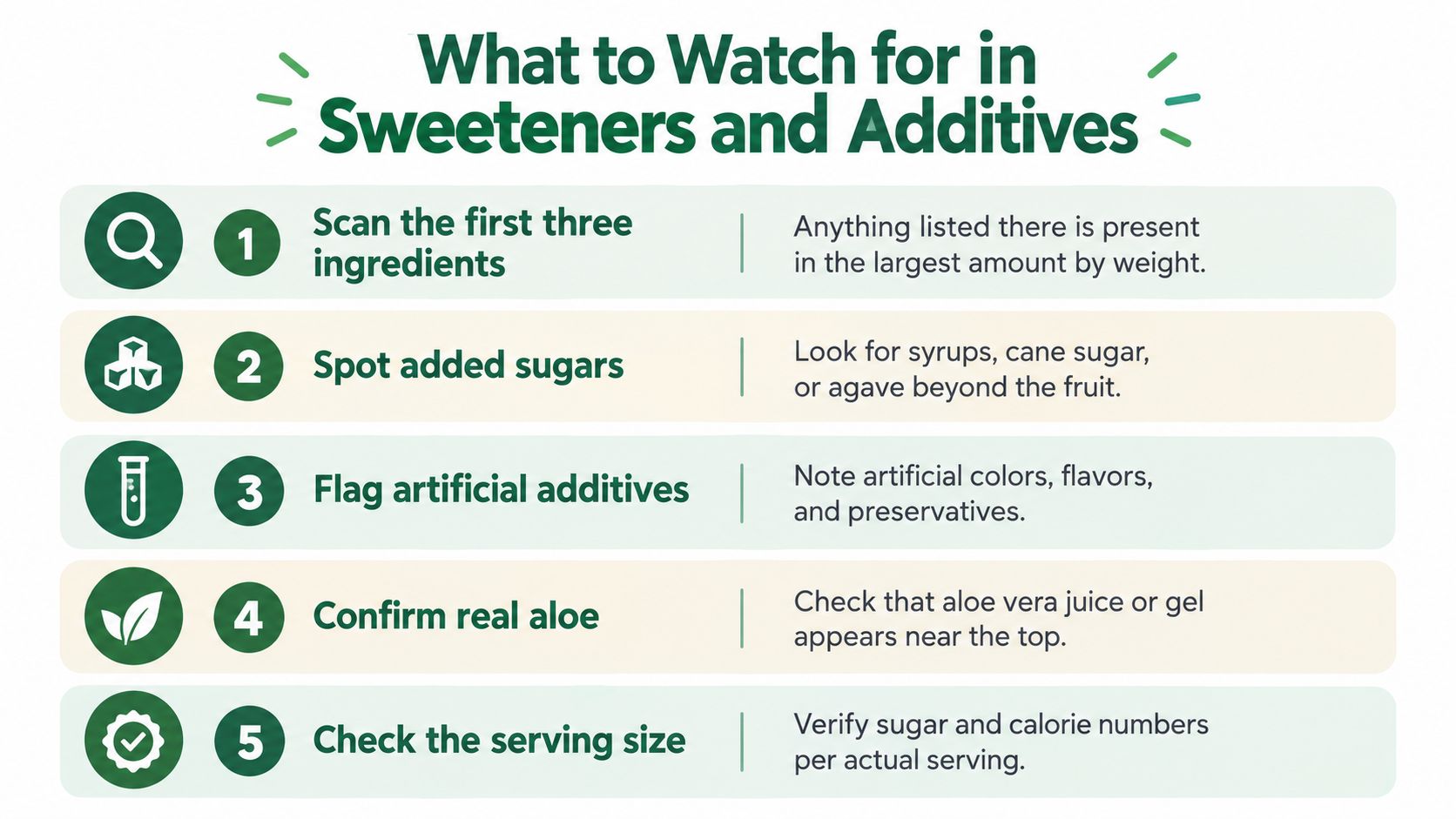
At the shelf, a bright fruit label can make a bottle feel easy to choose. Flavor often works as an accessibility feature: it can make aloe more approachable for someone who dislikes its bitterness or texture. It does not automatically improve the formula. Read the bottle as a recipe map, using five checks to see what the flavor system adds and what space it takes from aloe.
The guide to what aloe vera juice is made of can help you recognize base ingredients before comparing flavor systems. Use it as a vocabulary aid, then read the product in your hand.
A simple test: If the front emphasizes fruit while aloe appears near the bottom, decide whether easier drinking is worth the smaller aloe presence.
No single additive determines whether the beverage fits your routine. Choose a formula you can understand, with sweetness, texture, processing, storage, and flavor that match how you plan to use it.
A flavored aloe drink may be easier to choose and enjoy when plain aloe's taste or texture is a barrier. Flavor serves as an accessibility feature here, not proof of a higher-quality formula. Processing and certification help explain what sits behind that easier drinking experience.
Organic farming describes how the aloe is grown. Organic handling covers what happens after harvest, including processing, packaging, combining, labeling, storage, and related activities. The USDA guidance on Strengthening Organic Enforcement explains that operations producing or handling organic agricultural products generally need certification unless a specific exemption or exclusion applies.
That distinction matters because an organic farm claim does not automatically show that every later step used certified organic handling. Check whether the certification information applies to the operation that processes and packages the drink, not only to the fields where the aloe grew.
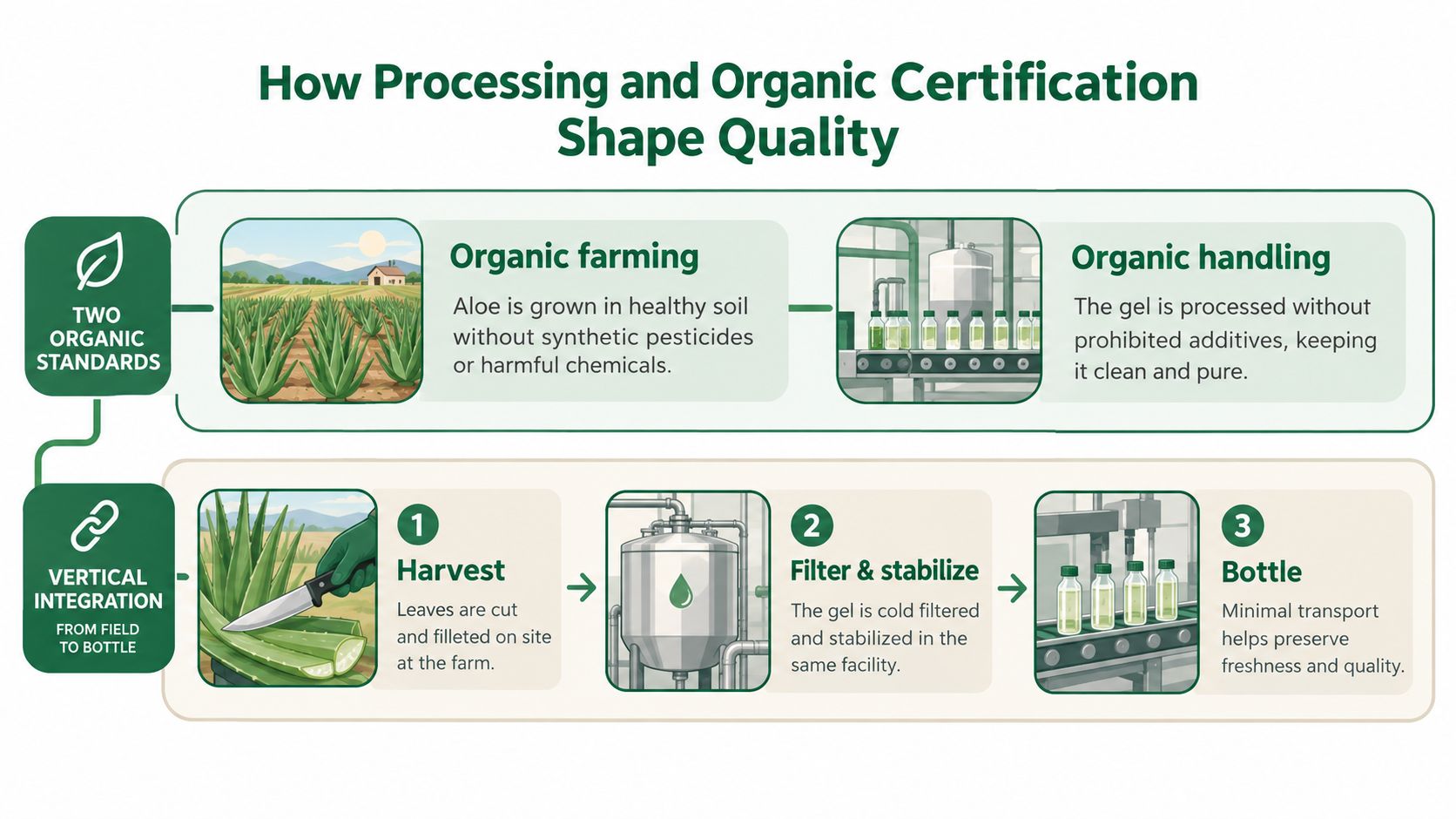
A vertically integrated producer may manage more stages directly, from harvest and washing through filleting, filtration, stabilization, flavoring, and bottling. Fewer handoffs can make it easier to trace the path from plant to finished drink.
A multi-supplier formula can also be suitable. It may involve more transport, storage, and decisions at separate facilities, which can influence oxidation control, filtration, texture, and stabilizing ingredients. Supply-chain structure is a question to investigate, not a guarantee of flavor or quality.
Use the label as a map:
The organic aloe vera juice guide provides a useful example of questions about aloe source and certification. Treat certification as evidence about production standards, not as a promise that a grape flavor will suit your taste or that a lemon drink will contain the sweetness you prefer.
For a visual explanation of the path from field to bottle, watch the process below.
Compare sugar, juice percentage, processing, and certification separately. That approach shows whether flavor is just making aloe more approachable, or whether the label also supports the quality standards you want.
You are standing in the drink aisle, comparing two flavored aloe bottles. One sounds appealing, but the other gives clearer information about its ingredients and processing. A short, repeatable checklist helps you judge both without turning shopping into a research project.
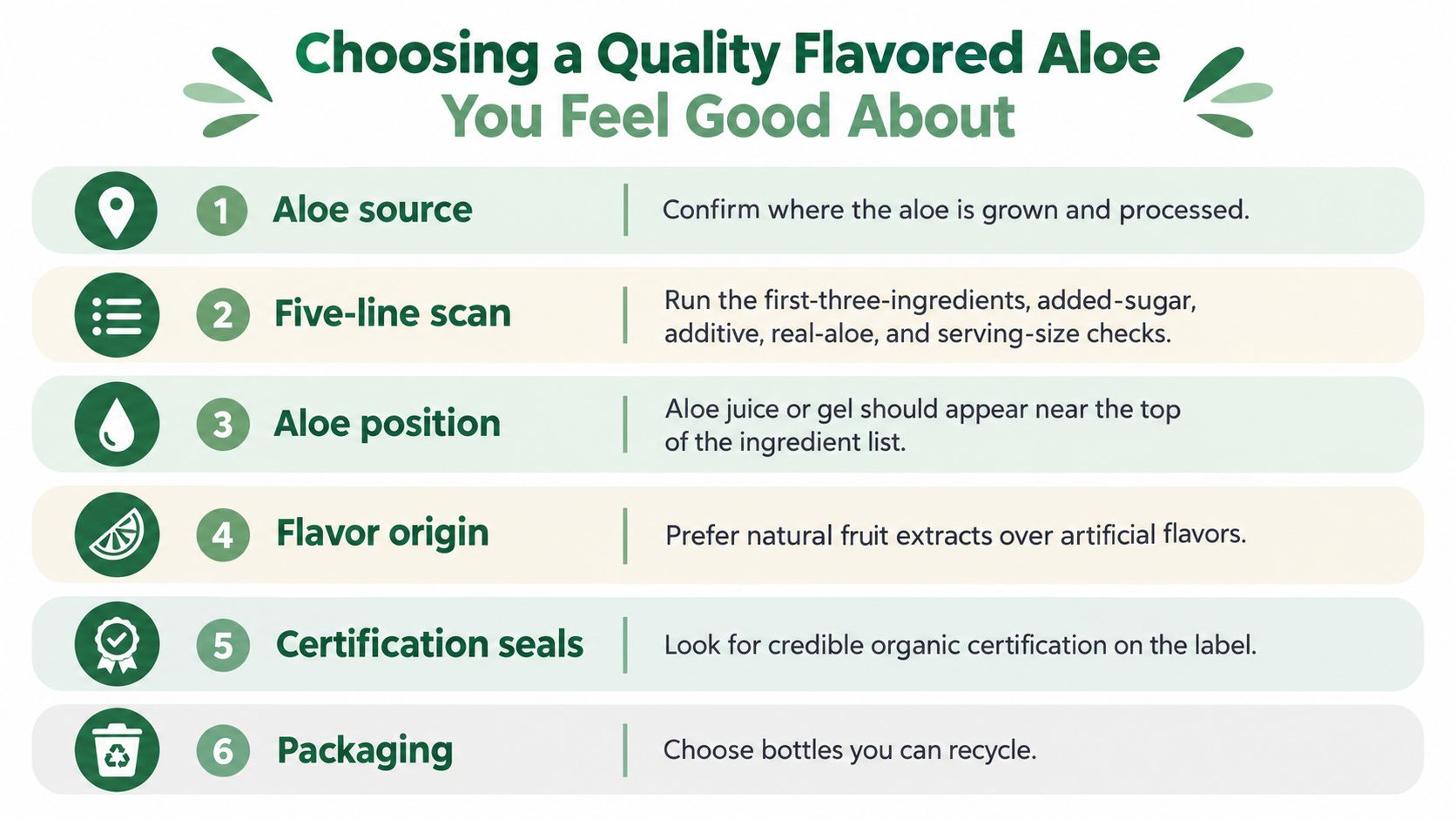
Aloe source and percentage: Check whether the bottle uses inner-leaf gel, whole-leaf material, or another aloe preparation. Then look for the aloe percentage, if the label provides it. This helps you distinguish the main aloe ingredient from the water, sweetener, and flavoring around it.
Sugar per serving: Record total sugars and the stated serving size. A modest amount per serving can add up if you drink several servings, so compare the serving information with how you use the bottle.
Flavor origin: See whether the flavor comes from named fruit juice, fruit concentrate, natural extract, or a broader natural-flavor statement. Lemon, grape, and natural profiles can all appeal to different palates. Their descriptions may also set different expectations for sweetness and intensity.
Processing method: Look for terms such as cold-pressed, filtered, single-strength, decolorized, or pasteurized. Then check whether the producer explains the method in plain language. A technical term is useful only when you can tell what happened to the aloe.
Certification and handling: USDA Organic, non-GMO, and vegan seals address different attributes. Check the organization behind each certification and whether it covers cultivation, processing, and handling. Certification can describe production standards, but it cannot predict whether you will enjoy a grape flavor or prefer the sweetness of a lemon drink.
If the aloe percentage is available, compare the cost per ounce of actual aloe content rather than bottle size alone. A larger bottle may contain more water, sweetener, or flavor base and may not offer better value.
Texture belongs on the checklist too. Some shoppers prefer a smooth drink, while others like suspended aloe pieces. A short ingredient list may indicate a simpler formula, but it does not guarantee a pleasing aroma or mouthfeel. Flavor functions as an accessibility feature here. It may make aloe easier to enjoy, without making the product nutritionally or materially better than a plain version.
For a visual explanation of the path from field to bottle, watch the process below.
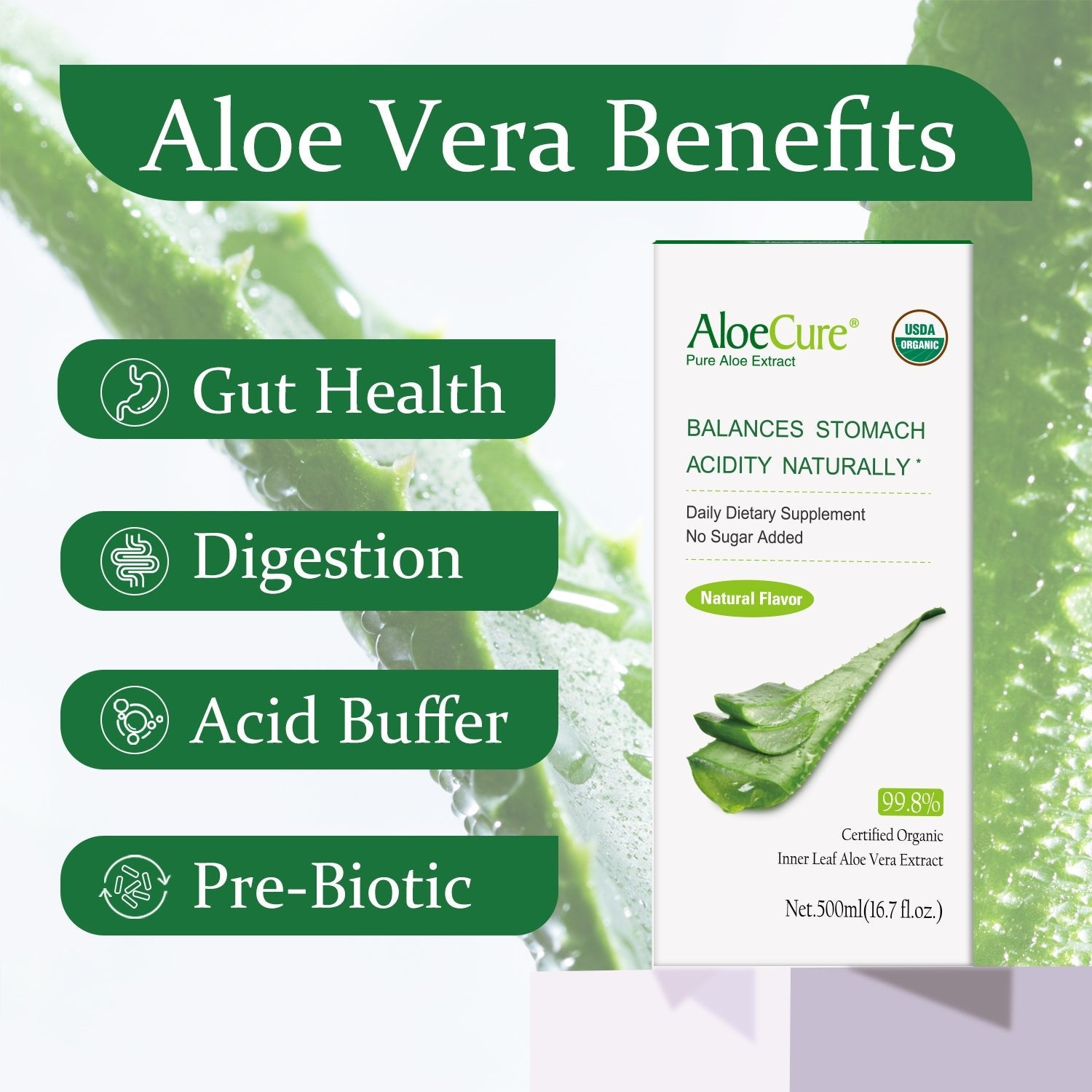
Choose the bottle that gives you enough information for a deliberate decision. Compare sugar, juice percentage, processing, and certification separately. AloeCure offers USDA-certified organic aloe vera juice in Natural, Grape, and Lemon flavors, with farm-to-processing control and subscription savings available. Visit AloeCure to compare the flavored options and review their ingredient details.
Final shopping question: Does this bottle make aloe easier for you to enjoy without adding more sweetness or complexity than you want?
The product's structure/function statements, if used, must be truthful, substantiated, and presented within applicable FDA requirements. The required disclaimer is:
These statements have not been evaluated by the Food and Drug Administration. This product is not intended to diagnose, treat, cure, or prevent any disease.
Comments will be approved before showing up.