Your Cart is Empty

You know the feeling. Dinner was good, the table's cleared, and now your clothes feel a little tighter than they should. That's the moment people start searching for the best digestive enzyme supplements, even though the question is simpler: which enzyme matches the meal you just ate?
The label matters more than the brand name. A capsule can look impressive and still be the wrong tool for your food, while a smaller product with clear activity units can be the better buy. For healthy adults, Johns Hopkins says there's no real evidence that enzyme-rich foods help digestion, and that healthy people generally don't need digestive enzyme supplements, while a major review notes that enzyme supplementation is an important therapy in settings like EPI and lactose intolerance, especially when a prescription enzyme is needed to help the body process food and absorb nutrients better (Johns Hopkins, major review). That split is the whole category in miniature, medical use on one side, over-the-counter support on the other.

Someone who just ate a cheese-heavy pasta dish and felt bloated might reach for enzymes because the meal itself gives a clue. A bean-heavy bowl points to a different trigger, and a mixed restaurant plate can call for a broader formula. The first question is not which capsule looks strongest, it is which food likely set off the problem, because enzyme choice should follow the food trigger, not the size of the bottle.
Lactase works on dairy sugar, alpha-galactosidase works on certain complex carbs in beans and cruciferous vegetables, and broader blends are usually the backup for mixed meals. Johns Hopkins notes that healthy people generally do not need digestive enzyme supplements, while a consumer guide from BodySpec makes the practical point that shoppers should match the enzyme to the job instead of assuming one all-in-one product covers every meal (Johns Hopkins, BodySpec).
A reader looking for the best digestive enzyme supplements for everyday use is usually looking for a fit, not a miracle. Dairy nights, bean nights, and large mixed meals do not need the same enzyme profile. That is why the category makes the most sense through substrate matching, which means the enzyme has to match the food component you ate.
Practical rule: if you can name the trigger food, you can usually narrow the enzyme choice fast.
Here is a simple at-a-glance guide.
| Digestive Trigger | Target Enzyme | Activity Unit to Look For |
|---|---|---|
| Dairy | Lactase | ALU |
| Beans and cruciferous vegetables | Alpha-galactosidase | FCC or GALU |
| Onion, garlic, wheat, mixed FODMAP-style meals | Fructan-focused blends or multi-enzyme formulas | Clearly stated enzyme activities |
| Large mixed meals | Broad-spectrum blend | Activity units for each enzyme |
A practical eating pattern can also make the label easier to judge. The best foods for digestion support guide is a useful companion when you want to compare what you ate with the enzyme a product provides.
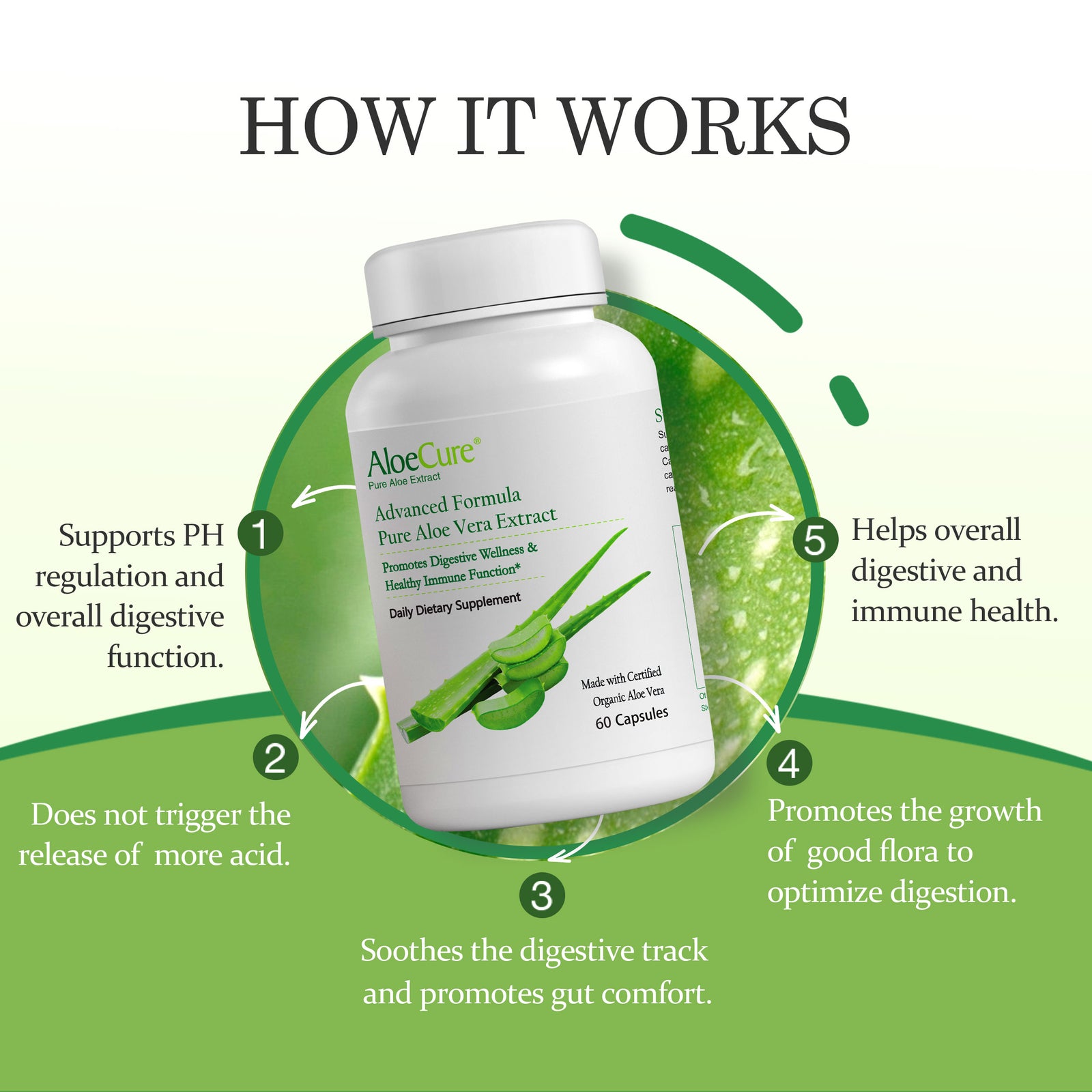
AloeCure fits into that same clean-label conversation as a vertically integrated aloe-based enzyme blend, which matters because the ingredient story is easier to evaluate when the source and formula are clear. For a broader consumer resource on everyday wellness choices, the Advice page shows how to separate useful education from marketing noise.
Digestive enzymes are biological catalysts. That means they speed up chemical breakdown without being used up themselves, almost like a sharp knife that keeps slicing through food instead of getting shorter every time you use it. Your body already makes its own enzymes, and supplemental enzymes add support when a particular meal is harder to process than usual.
The big three are easy to remember. Protease helps break down proteins, lipase helps break down fats, and amylase helps break down carbohydrates. A specialized enzyme like lactase targets dairy sugar, while alpha-galactosidase is the more targeted pick for certain carbs in beans and cruciferous vegetables.

The reason timing matters is simple. Enzymes need to meet food while it's moving through the stomach and into the small intestine, where most of the breakdown work happens. If the capsule opens too late, the food is already moving on.
Enzymes are picky about their environment. Some work best when they can survive stomach conditions and release later, which is why enteric protection shows up on some labels. A blend can look impressive on paper, but if the formula doesn't reach the right place in time, the label is doing more talking than the product is doing.
Enzyme labels should help you answer one question, does this formula match the food I actually eat?
For readers who want to understand how enzymes fit with other gut-support ingredients, prebiotics, probiotics, and enzymes are often discussed together, but they're not the same thing. Enzymes break food down now, while the other ingredients play different roles in overall digestive support.
A shopper standing in the supplement aisle usually has one of two goals. Either the trigger is clear, like dairy after dinner, or the meals are mixed and hard to predict. The label should match that pattern. A focused formula makes more sense when one food keeps causing trouble, while a broader blend may fit a plate that changes from day to day.
For dairy, lactase is the most focused option because it is built for milk sugar. For beans and cruciferous vegetables, alpha-galactosidase is the targeted choice because it addresses the carbs that often make those meals feel harder to handle. For fatty or fried meals, lipase becomes more relevant, and for large mixed meals, a broad-spectrum formula can serve as a practical fallback when the plate is unpredictable.
A consumer guide on proteolytic enzymes and foods helps connect protein-heavy meals with the right enzyme family, especially when meat, seafood, or richer plates are the main issue. That is the simplest way to think about this category, one enzyme, one food job, one clear reason for being on the label.
A single-enzyme product usually fits best when the trigger is obvious. A blend is more useful when the meal is mixed, layered, and hard to classify neatly. Johns Hopkins notes that evidence for broad-spectrum blends is mixed in otherwise healthy adults, so the label should be read with the meal in mind rather than treated like a cure-all. That does not make blends magic, it means they can be useful when the same meal brings together several different triggers.
For readers who want a closer look at how enzyme families line up with food types, protein-digesting enzymes and meal choices offers a useful reference point without turning the decision into guesswork.
Best-fit shortcut: if one food bothers you consistently, buy for that food first. If dinner changes every night, a broader formula may be easier to live with.
The shortlist is straightforward. Dairy points to lactase, bean-heavy meals point to alpha-galactosidase, richer meals may point to lipase, and chaotic menus can justify a blend. The more specific the trigger, the more specific the label should be.
A label can look convincing because the capsule is large or the wording sounds technical. The number that matters most is not the capsule weight. Activity units show how much enzyme work the product can do, while milligrams only show how much material is packed inside.
If dairy is the problem, look for ALU on a lactase label. If beans, lentils, or other gas-producing foods are the issue, look for FCC or GALU on an alpha-galactosidase product. For bromelain, labels should name activity units such as GDU or MCU, and proprietary blends that hide individual doses deserve caution. A consumer guide explains these label cues in more detail (Keedia).
A 500 mg capsule with no activity disclosure tells you very little about potency. A smaller capsule with stated enzyme activity can tell you more because it shows what the formula can do, not just how heavy it is. That is the habit that separates careful label reading from guesswork.
The clearest quality markers are practical, not flashy. Look for third-party testing seals such as NSF International or USP, and prefer products that list clear enzyme activities instead of hiding behind a proprietary blend. The same consumer guide also notes that bromelain labels should name activity units rather than relying only on milligrams, because functional activity is what matters most (Keedia).

A clean label does not need theatrics. It needs clear enzyme identity, clear activity units, and a testing standard you can trust.
For a broader look at how people think about food tolerance and digestive support, C&A Wellness Center's digestive health guide offers a useful starting point.
The timing rule is simple, and it matters. Take enzyme capsules with the first few bites of a meal, not after the meal is over, because the enzymes need to mix with food to do their job. One consumer guide describes one capsule with each main meal as a common starting point, then adjusting based on meal size and the label directions (Find Your Healthy Place).
If a meal is light, the same serving may feel like more than you need. If the meal is bigger or more layered, the same product may fit better when taken right at the start. The point isn't to keep increasing the dose, it's to match the product to the meal and follow the label.
A useful safety habit is to treat supplements as support, not a substitute for professional guidance. People who use medications or manage a diagnosed health condition should talk with a qualified practitioner before adding any enzyme product, especially if they're already taking multiple supplements or have a sensitive routine.
Simple rule: start low, take it with the meal, and watch whether the formula matches the food.
For more background on digestive wellness habits, C&A Wellness Center's digestive health guide gives a broader look at how people think about food tolerance and daily digestive support. The takeaway here stays the same, enzymes are best used as a structure/function tool, so phrases like supports healthy digestion, promotes nutrient breakdown, and assists the body's natural processes are the right way to frame them.
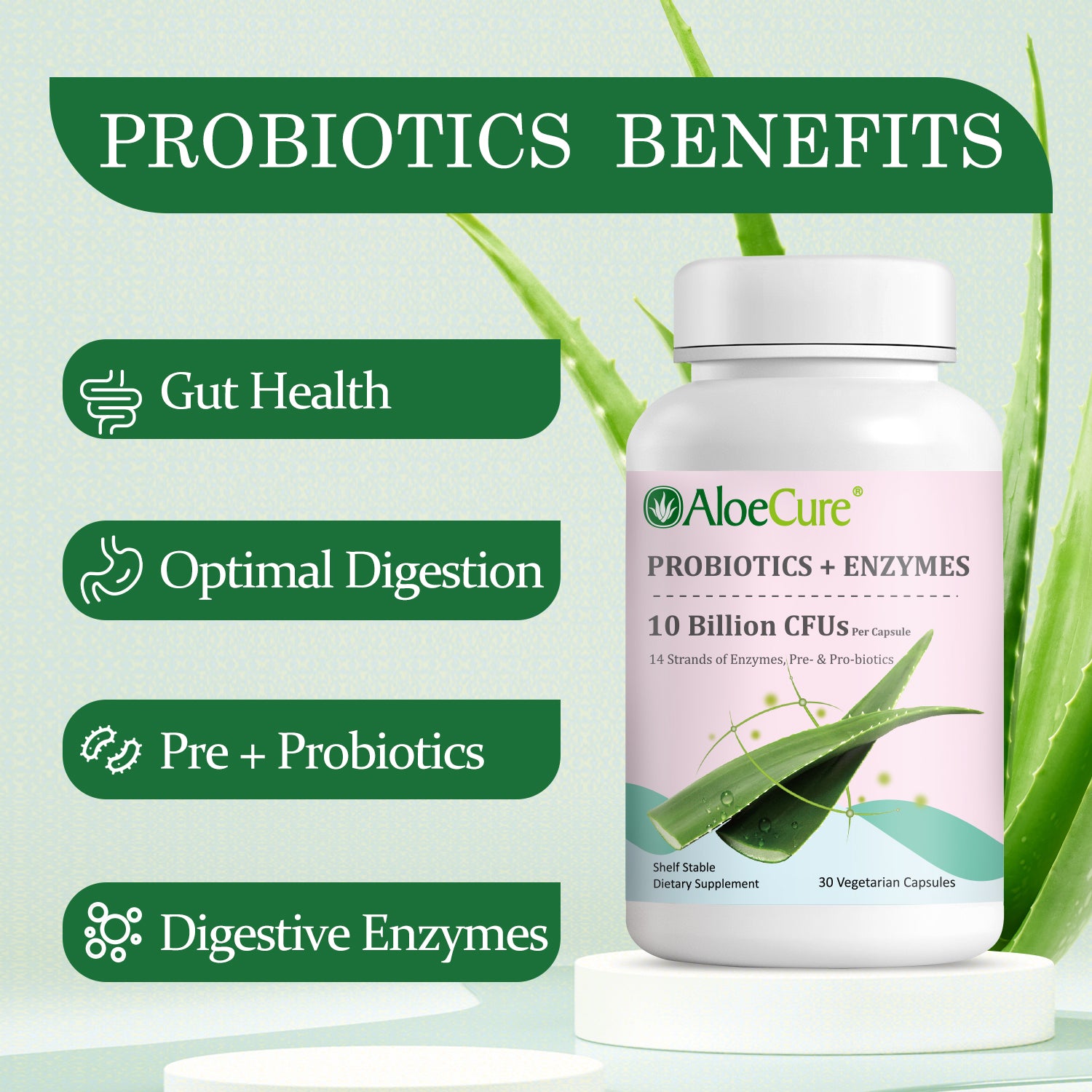
AloeCure's Pre+Probiotic & Digestive Enzyme Capsules fit into this category as a combined-support option for readers who want enzymes alongside prebiotics and probiotics. The brand's broader model is built around vertical integration, with AGHG operating its own aloe farms for 25 years, hand-harvesting USDA- and EU-certified organic aloe, and processing it on-site within 12 hours of harvest, which the company says helps preserve bioactivity without chemicals, charcoal filtration, or extra enzymes during processing.
That kind of control matters because the category is full of formulas that hide too much behind blends and processing shortcuts. AloeCure's story is different on the sourcing side, it emphasizes farm ownership, on-site processing, and traceability rather than outsourcing every step. For shoppers who care about clean-label structure, that's a meaningful differentiator.
The capsule combines digestive enzymes with prebiotics and probiotics, which makes it appealing to people who want a more layered wellness product rather than a single-purpose enzyme. AloeCure also points to an 8-step traceability promise, third-party certifications, rigorous testing, and a 90-day money-back guarantee, which gives the buying decision more structure than a typical shelf-stable bottle.
The practical purchase details are just as clear. Subscribe & Save offers 20% off with flexible delivery, and the brand also offers 1 to 2 day priority processing plus free shipping on qualifying orders. If someone already knows they want a subscription model, that's a straightforward path to try a product without guessing at the logistics.
This is the part where the framework stays honest. AloeCure is one option in a crowded market, and the deciding factor should still be fit, label clarity, and ingredient transparency. If you want a capsule that pairs enzymes with prebiotics and probiotics, it's a reasonable one to compare against other clean-label formulas.

Keep this short checklist in mind. Match the enzyme to the food, check the activity units, and prefer third-party tested products. If a label hides the important details, walk away and choose one that tells you what's inside the capsule.
A few quick answers come up again and again. You don't need enzymes with every meal, only with the meals that match the product. Shelf-stable formulas can be fine if the label is clear and the product is well made. And yes, some capsules can be paired with prebiotics and probiotics, because those ingredients play different roles.
If you want to browse a clean-label option with subscription pricing, visit AloeCure. The same checklist still applies, read the label, match the trigger, and buy the formula that fits your plate.
These statements have not been evaluated by the Food and Drug Administration. This product is not intended to diagnose, treat, cure, or prevent any disease.
Comments will be approved before showing up.