Your Cart is Empty


Have you ever noticed the light foam that appears when you rinse quinoa or soak chickpeas? That small kitchen detail points to a group of plant compounds many people use regularly without knowing their name. Those compounds are saponins.
They matter because they help explain why certain foods and botanicals have been valued for generations in everyday wellness routines. Once you understand what saponins are and how they work, labels, ingredients, and plant-based supplements start to make more sense.
Saponins are naturally occurring compounds found in a wide range of plants. They show up in common foods, in traditional botanicals, and in ingredients people already keep in their kitchens. They aren't fringe wellness jargon. They're part of the normal chemistry of the plant world.
A common first observation regarding saponins isn't science. It's foam. When water meets certain plant foods, saponins can create a soap-like lather. This characteristic is the source of the name. The root idea is "soap."
That foaming quality often confuses people. If something foams, they assume it must be artificial or harsh. In plants, that's not the case. It's one visible clue that the compound has a unique structure and can interact with both water and fats.
Most wellness conversations focus on vitamins, minerals, protein, or fiber. Saponins tend to get ignored because they don't fit neatly into those categories. Yet they're one of the reasons some plant foods and botanicals are so interesting from a whole-body support perspective.
A helpful way to think about them is this:
Saponins are easier to understand when you stop thinking of them as obscure chemistry and start seeing them as part of how plants naturally protect and organize themselves.
That shift matters. It turns a strange-sounding word into something practical. If you're choosing foods, juices, capsules, or botanicals for everyday wellness, knowing about saponins helps you ask better questions about source, processing, and quality.
At the simplest level, saponins are natural triterpene or steroid glycosides found in plants. That phrase can sound dense, but the working idea is straightforward. A saponin molecule has one part that interacts well with water and another part that interacts well with fats.
A saponin molecule is like a keychain holding two very different keys. One key fits the "water door." The other fits the "fat door." Because one molecule can engage with both sides, saponins behave differently from compounds that only mix with one or the other.

This dual nature explains the foam. It also explains why saponins get so much attention in plant science and nutrition discussions.
Here's the simple model:
| Part of the molecule | What it tends to interact with | Why it matters |
|---|---|---|
| Water-friendly side | Water-based environments | Helps the compound disperse |
| Fat-friendly side | Oils, fats, and similar substances | Helps the compound engage with fat-soluble material |
That combination lets saponins act a bit like natural bridge-builders. They don't become soap in the household sense, but they do share a similar ability to connect substances that usually resist mixing.
The benefits of saponins start with this structure. If you only remember one point, remember this one: how a saponin is built determines how it behaves.
That behavior helps explain why researchers and educators often focus on saponins when discussing plant compounds that support normal physiological processes. Their chemistry gives them a practical role, not just a theoretical one.
For a closer look at how this works in aloe and other botanicals, AloeCure's guide on what a saponin is gives a useful ingredient-level overview.
Simple analogy: A saponin molecule works a bit like a two-sided connector. One side grabs water. The other side grabs fats. That's why it can create foam and interact with other compounds in unusual ways.
If people get stuck here, it's usually because they're trying to memorize chemical categories. You don't need to. Focus on the shape-behavior link. Saponins foam because of their dual nature, and that same dual nature helps explain their wellness relevance.
When people look into the benefits of saponins, they usually want one direct answer: what do these compounds do? The most useful response is that saponins support normal body functions in several connected ways, especially around lipid balance, antioxidant activity, and the body's natural defense processes.

One of the clearest explanations involves bile acids. As described in Global Healing's overview of saponins, saponins bind to bile acids in the digestive system, form a complex that isn't easily absorbed, assist the body's natural process of managing cholesterol and promoting its excretion, and help maintain healthy serum cholesterol levels.
That's a lot of biology in one sentence, so here's the plain-English version:
Instead of thinking "lowering" in a dramatic way, think supporting the body's normal cleanup and recycling systems.
Saponins also have antioxidant activity. Public-facing nutrition literature reviewed by dietitians describes their antioxidant capabilities as part of how they help the body manage free radical damage, which supports overall wellness and healthy aging processes, as summarized in this nutrition explainer on saponins.
Oxidative stress can feel abstract, so use this picture: normal life creates wear and tear. The body is always handling that wear and tear. Antioxidant compounds help support that balancing act.
Your body already has built-in maintenance systems. Plant compounds like saponins can help support those systems rather than replace them.
Another area that gets attention is immune support. Research reviews note that saponins can be used as adjuvants in certain applications to help support and improve the body's natural immune response, which highlights their ability to work alongside other components rather than act alone, according to this review in the scientific literature.
That "alongside" idea is important. Saponins aren't usually interesting because they work in isolation. They're interesting because they participate in broader systems.
People who care about plant compounds often look at patterns, not single ingredients. That's one reason some readers also explore Nutrition Geeks' berberine insights when comparing how different botanicals may support metabolic wellness through different mechanisms.
Here are the main takeaways in one view:
That combination is why the benefits of saponins keep showing up in conversations about plant-based wellness.
You don't need a specialty ingredient list to encounter saponins. Many familiar foods contain them naturally, especially legumes and grains.

Chickpeas are a classic example. Quinoa is another, especially because its surface compounds become obvious during rinsing. Oats and soy are also commonly discussed sources. Beyond everyday foods, botanicals such as ginseng, yucca, and alfalfa are often included in saponin conversations.
The easiest way to organize sources is by type of plant:
If aloe surprises you, you're not alone. Many people think of it only as a skin-care plant. In reality, aloe is a complex botanical with multiple naturally occurring constituents, including saponins.
For readers interested in neighboring plant compounds from traditional greens, AloeCure's article on alfalfa leaf benefits offers a helpful comparison point.
A saponin isn't just a saponin in the abstract. The quality of the plant matters. Healthy soil, careful harvesting, and minimal damage during handling all influence the integrity of plant compounds before processing even begins.
That's especially true with aloe vera. The plant is delicate. How it's grown, cut, transported, and processed affects what remains intact in the final juice or capsule.
Practical rule: If you're choosing a botanical product for its natural compounds, don't look only at the front label. Look at where the plant came from and how quickly it was handled after harvest.
This short video offers a visual introduction to aloe as a plant and why people value it in wellness routines.
Some people will get plenty of saponins by eating a varied, plant-rich diet. Others prefer a more consistent botanical routine because daily food choices aren't always predictable.
Either way, source quality still matters. A carefully grown plant gives you a better starting point than a stressed, poorly handled one. That's one reason farm practices, certifications, and processing standards deserve as much attention as the ingredient name itself.
Two bottles can both say "aloe vera" and still be very different products. The same is true of many botanical extracts. Once a plant is harvested, processing choices shape what ends up in the finished formula.

Harsh processing can strip away delicate plant constituents or alter the balance that made the original plant useful in the first place. High heat, heavy manipulation, unnecessary additives, and aggressive filtration may create a cleaner-looking ingredient on paper while leaving less of the plant's original complexity intact.
Saponins are often discussed as part of a broader matrix of bioactive compounds. That means purity isn't only about removing unwanted material. It's also about preserving what you intended to keep.
A practical comparison looks like this:
| Processing approach | Likely priority | What shoppers should ask |
|---|---|---|
| Heavy industrial refinement | Uniformity and scale | What plant compounds were reduced or removed? |
| Gentle, traceable processing | Preservation of natural constituents | How quickly was the plant processed and by whom? |
Vertical integration becomes meaningful, not just marketable. When the same company farms the aloe, handles the harvest, and processes the finished ingredient, there are fewer breaks in accountability.
For 25 years, AGHG, the parent company behind AloeCure, has owned and operated its aloe farms, hand-harvesting USDA- and EU-certified organic aloe and processing it on-site within 12 hours of harvest. Its farms are also certified sustainable agro-tourismos that welcome more than 250,000 people every year who want to learn about aloe vera and sustainable agriculture.
Those details matter because they describe a controlled chain from field to finished ingredient. They also explain why some brands can speak specifically about handling practices while others can only describe sourcing in broad terms.
If you want to understand why this affects ingredient performance, AloeCure's article on bioavailability is a useful primer.
Processing isn't a side issue. It's part of the ingredient.
Research discussions around saponins also reinforce the importance of preserving plant compounds that can work alongside broader wellness systems. For example, scientific literature notes that saponins can be used as adjuvants in certain applications to help support and improve the body's natural immune response, highlighting how they can function in combination with other components rather than as isolated chemistry.
People often assume "more processed" means "more advanced." In botanical wellness, that isn't always true. Sometimes the better question is whether the process respected the plant.
A proprietary, natural process that avoids chemicals, enzymes, concentrates, and charcoal filtration can help preserve peak bioactivity. That's not about making an exaggerated claim. It's about keeping more of the plant's original character intact.
The easiest way to use saponins for wellness is to keep the approach simple and repeatable. You don't need a complicated routine. You need a few reliable habits.
A practical first step is adding more naturally saponin-containing foods into regular meals. Chickpeas work in salads and soups. Quinoa can replace rice a few nights a week. Oats and soy-based foods are easy additions for many people.
If you're new to quinoa, rinse it well. That familiar foamy wash water is one of the signs you're dealing with these compounds in real life, not just reading about them.
When you're considering juices, capsules, or other plant-based products, use a short filter:
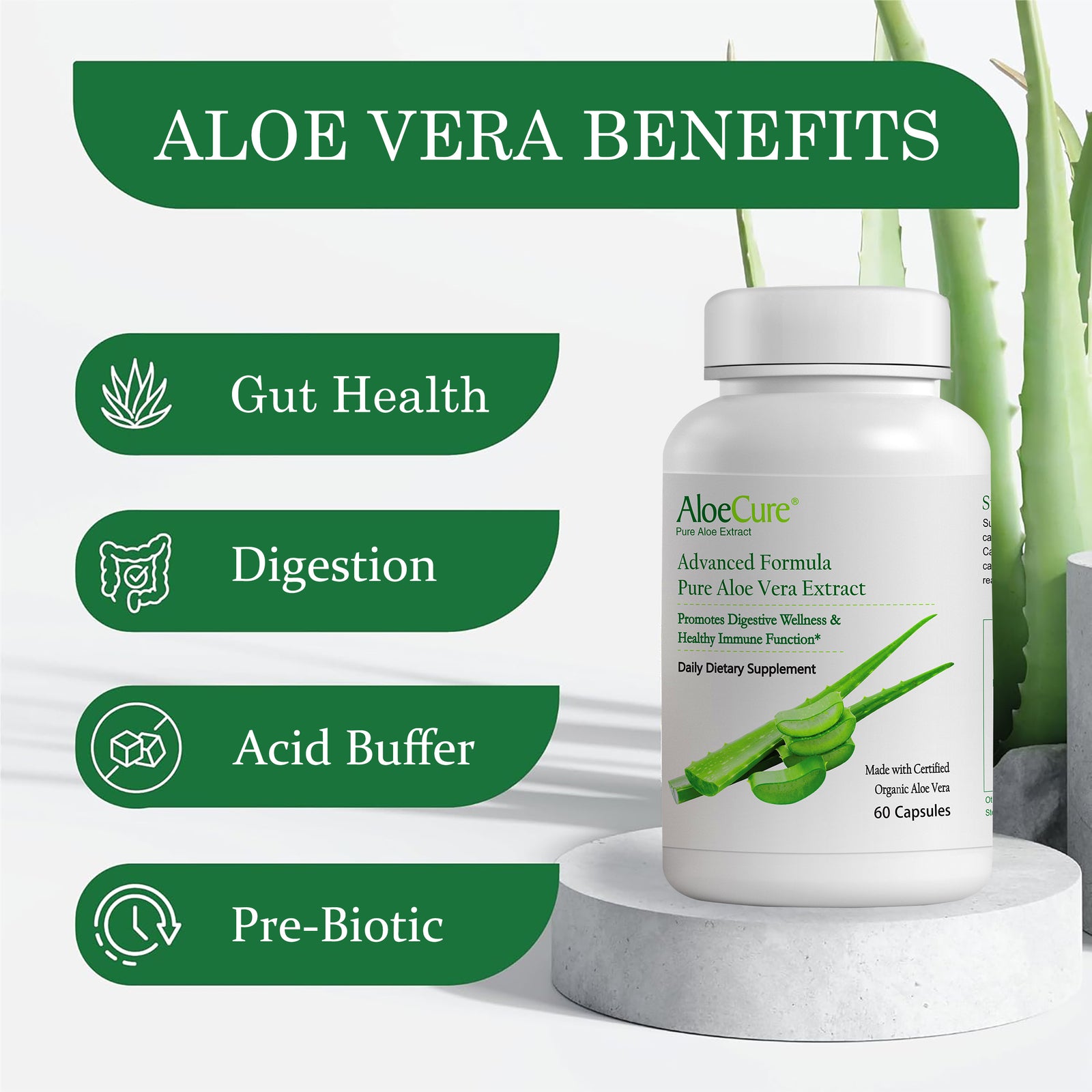
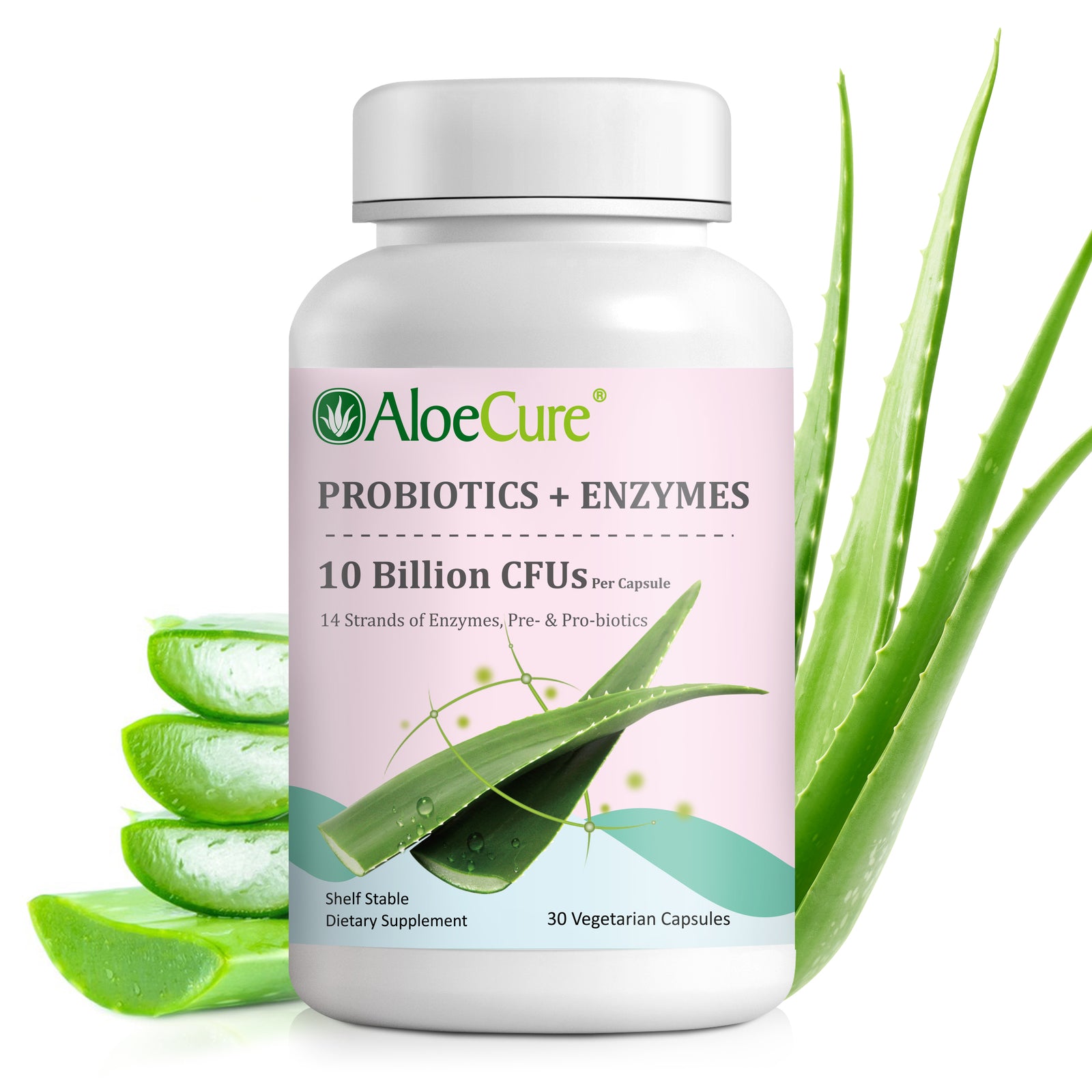
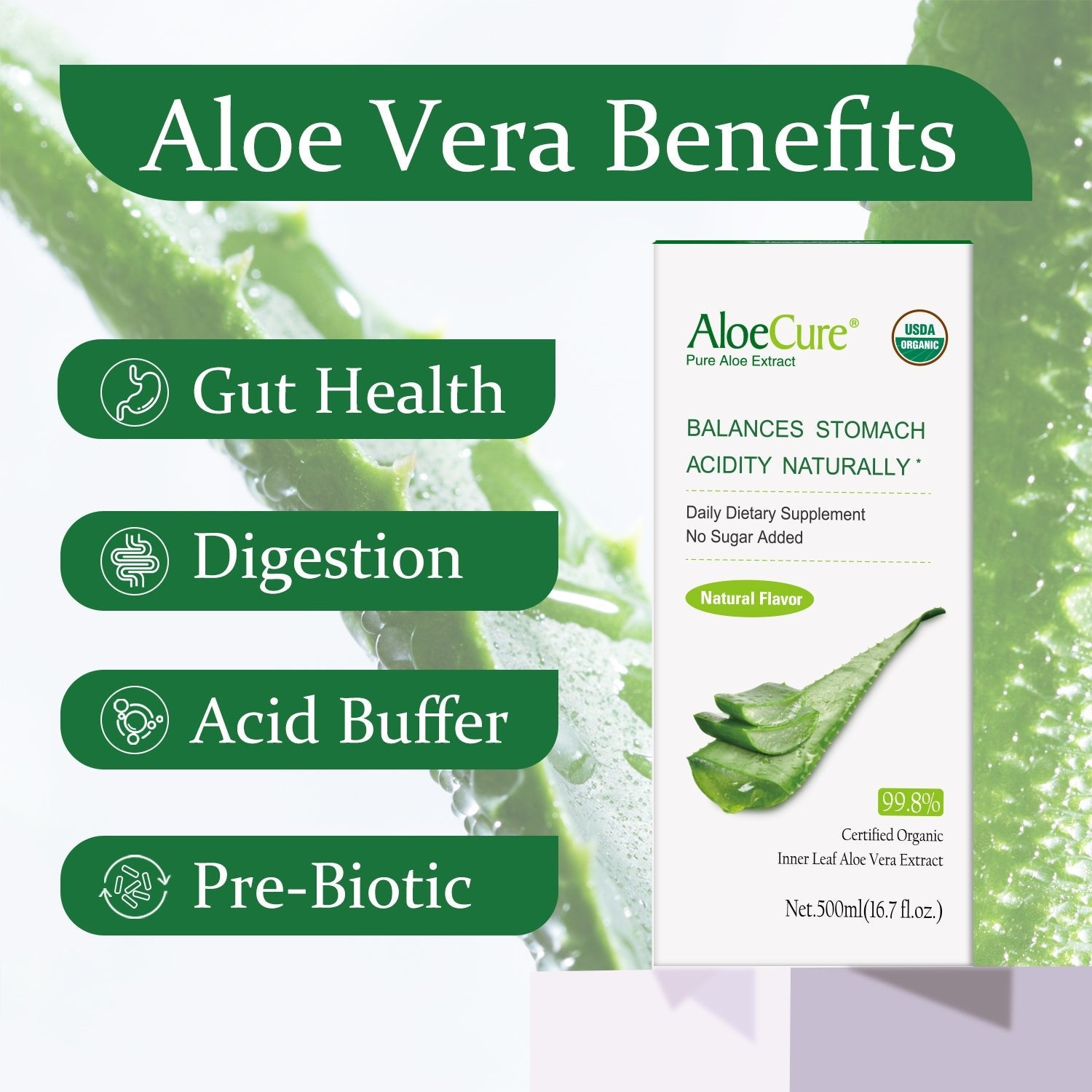
For people who want a convenient aloe option, AloeCure offers Pure USDA Organic Aloe Vera Juice in Natural, Grape, and Lemon flavors, along with Advanced Formula Aloe Capsules and other wellness products.
The best routine is the one you'll continue next week. Some readers do well with food-first habits. Others like combining that with a botanical product so they have a more consistent daily pattern.
A few grounded ideas help:
Small, repeated choices usually do more for wellness than a long list of products you won't keep using.
If you're exploring aloe-based options, product pages are the best place to compare formats and see what fits your needs. If you prefer built-in savings, the subscription option offers 20% off with flexible delivery.
These statements have not been evaluated by the Food and Drug Administration. This product is not intended to diagnose, treat, cure, or prevent any disease.
If you'd like a simple next step, browse AloeCure to compare aloe vera juice and capsule options, learn more about sourcing and processing, or sign up for Subscribe & Save for 20% off recurring orders.
Comments will be approved before showing up.