Your Cart is Empty


Are you looking for a plant-based ritual that feels gentler and smarter than the usual one-note wellness drink?
That's where aloe vera and cactus become interesting. People often lump them together because both are succulents, both hold water well, and both have long histories in everyday wellness traditions. But their inherent value isn't just that they come from hardy desert plants. It's that each one brings a different kind of support, and the combination works best when the ingredients are clean, properly separated, and carefully prepared.
A lot of readers get stuck on one question. If aloe and cactus both sound soothing and hydrating, aren't all blends basically the same? They're not. The difference between inner-leaf aloe gel and poorly processed aloe material matters just as much as the cactus itself. That's the gap most basic articles miss.
If you already enjoy learning about plant ingredients across wellness routines, this guide on choosing botanical skin care gives helpful context for how plant quality and formulation shape the final experience. That same idea applies to beverages and supplements too.
Aloe vera and prickly pear cactus make sense together because they support the body in different but compatible ways. Aloe gel is known for its smooth, water-rich texture and its naturally occurring polysaccharides. Prickly pear cactus brings a different profile, one that people often associate with hydration and colorful plant compounds.
Think of them like two people carrying the same table. One provides steady lift. The other helps keep the load balanced. The goal isn't intensity. It's balanced support for normal body function.
Some people want a morning beverage that feels lighter than coffee. Others want a simple addition to a daily routine that supports healthy digestion, hydration, and overall comfort. Aloe and cactus fit that need because they're easy to understand when you strip away the hype.
Here's the practical appeal:
A useful mindset: Don't judge a plant blend by the label alone. Judge it by which part of the plant is used and how that part was prepared.
Many articles reduce aloe and cactus to a single wellness idea. That oversimplifies what matters most. With botanicals, preparation changes the experience. Two products can both say “aloe” and still be very different in composition.
That's why understanding aloe vera with cactus tea benefits starts with a simple principle. The plants matter, but the processing matters just as much.
A strong aloe and cactus blend works because each plant contributes something distinct. Aloe gel brings structure and smoothness. Prickly pear brings color-rich plant compounds and a refreshing profile that complements aloe's softer character.

When people say “aloe,” they often mean several different plant parts at once. For wellness use, the more relevant part is inner-leaf gel. That gel contains polysaccharides and other naturally occurring compounds that support the body's normal processes.
One of the best-known polysaccharides in aloe is acemannan. If you want a deeper look at why that compound gets so much attention, this overview of acemannan in aloe vera is a useful primer.
Aloe also has a long history of oral use, but not every aloe ingredient behaves the same way. That distinction becomes important later.
Prickly pear cactus water contains betalains and flavonoids that provide potent antioxidant activity, which complements aloe vera's mucosal protective effects. The same source also notes that while aloe vera gel promotes hydration, cactus water's low-calorie, high-nutrient profile helps maintain balance, as described in this discussion of prickly pear cactus water.
That matters because people usually want more than one thing from a daily plant blend. They want something that feels hydrating, easy to include, and supportive of general wellness habits.
Aloe and cactus work like a good support team.
| Plant | Main role in the blend | Why it matters |
|---|---|---|
| Aloe vera gel | Supports hydration and healthy digestive function | Creates a smooth base and supports the body's natural processes |
| Prickly pear cactus | Contributes antioxidant-rich plant compounds | Adds balance and complements aloe's gentler profile |
The result isn't “more” in a dramatic sense. It's more complete.
Aloe is the calm foundation. Cactus is the balancing partner.
If you grow aloe at home and want to understand the plant itself before choosing finished products, this aloe vera plant care guide is a helpful side read.
The best way to think about aloe and cactus is through daily support, not big promises. A well-made blend can fit into a routine that helps you feel more steady, hydrated, and comfortable through the day.

Here are some compliant ways to understand the benefits:
One controlled human trial reported that oral administration of Aloe vera juice at 20 mL twice daily over six weeks exhibited hepatoprotective effects, supporting its role as a functional food with verified physiological impacts, according to this clinical review on Aloe vera.
The combination often works best when used consistently. A small daily ritual can support better habits overall. When a beverage feels easy on the body, people are more likely to keep using it.
That's especially true for morning and midday routines. A cup of cactus tea paired with purified aloe gel can feel like a reset button, not because it overwhelms the body, but because it supports normal function in a steady way.
Practical habit: Pair plant beverages with an existing routine, such as breakfast or an afternoon pause, so consistency becomes automatic.
If you're curious about identifying aloe plants and understanding how they differ in appearance and use, this guide to aloe vera identification and care adds helpful background.
It's vital to clarify that not all aloe ingredients belong in the same category, which is a key reason people get confused about aloe vera with cactus tea benefits.
The key distinction is inner-leaf gel versus latex. Inner-leaf gel is the part widely sought after for a supportive daily product. Latex comes from the outer portion of the leaf and contains anthraquinones. That difference can change the entire experience.

Research explicitly warns that oral aloe latex can cause adverse effects and has been linked to acute hepatitis. That concern is especially relevant in unregulated blends that may not clearly separate latex from gel, as outlined by the National Center for Complementary and Integrative Health review of aloe.
That's the issue many “natural” blends never explain. The label may sound clean and simple, but if the aloe wasn't properly processed, the final product may include components you weren't trying to consume at all.
When evaluating any aloe and cactus product, focus on process, not just plant names.
A good overview of what separates high-quality aloe from lower-grade options is this explanation of purified aloe vera juice.
Making tea with clean water offers a useful comparison: the herbs matter, but so does everything that touches them before they reach your cup. In aloe products, quality starts at the farm and continues through harvesting, filleting, stabilization, and testing.
That's why the “magic” of aloe and cactus isn't just in the plants. It's in how carefully they're prepared. Proper sourcing and processing help preserve the parts you want and leave out the parts you don't.
Clean plant support starts long before the first sip.
You don't need a complicated protocol to make this pairing part of your day. Simplicity usually works better. The easier the habit, the more likely you'll keep it.

Try one of these low-effort ideas:
A lot of people overcomplicate wellness drinks. They add too many ingredients, then can't tell what suits them. Start simple and adjust slowly.
Some people prefer this pairing before breakfast. Others like it in the afternoon when they want something lighter than another caffeinated drink. There isn't one perfect time. The better choice is the time you'll stick with.
If you enjoy trying different tea rituals, this guide to herbal teas that support digestion offers more ideas for building a plant-focused routine.
Here's a visual guide if you want inspiration for mixing ingredients into a simple home beverage:
Choose products and recipes that feel clear, not crowded.
| If you want | A simple approach |
|---|---|
| A lighter daily ritual | Cactus tea with a small amount of purified aloe |
| A more refreshing option | Add mint and lemon |
| A more substantial drink | Blend with chia and fruit |
That's often the underlying answer behind searches for aloe vera with cactus tea benefits. People want support that feels easy, clean, and sustainable.
Aloe and cactus make a smart pair when you think about wellness in practical terms. Aloe gel brings a smooth, supportive base. Prickly pear cactus complements it with its own plant compounds and hydration-friendly character. Together, they can support healthy daily function in a way that feels balanced rather than extreme.
The bigger lesson is simple. Plant quality isn't a side detail. It's the whole story. A carefully prepared inner-leaf aloe product is very different from an unrefined blend, and that difference shapes safety, consistency, and the overall experience.
For anyone building a thoughtful routine, this combination works best as a steady habit. Keep it simple. Choose well-prepared ingredients. Let the body respond to consistency.
These statements have not been evaluated by the Food and Drug Administration. This product is not intended to diagnose, treat, cure, or prevent any disease.
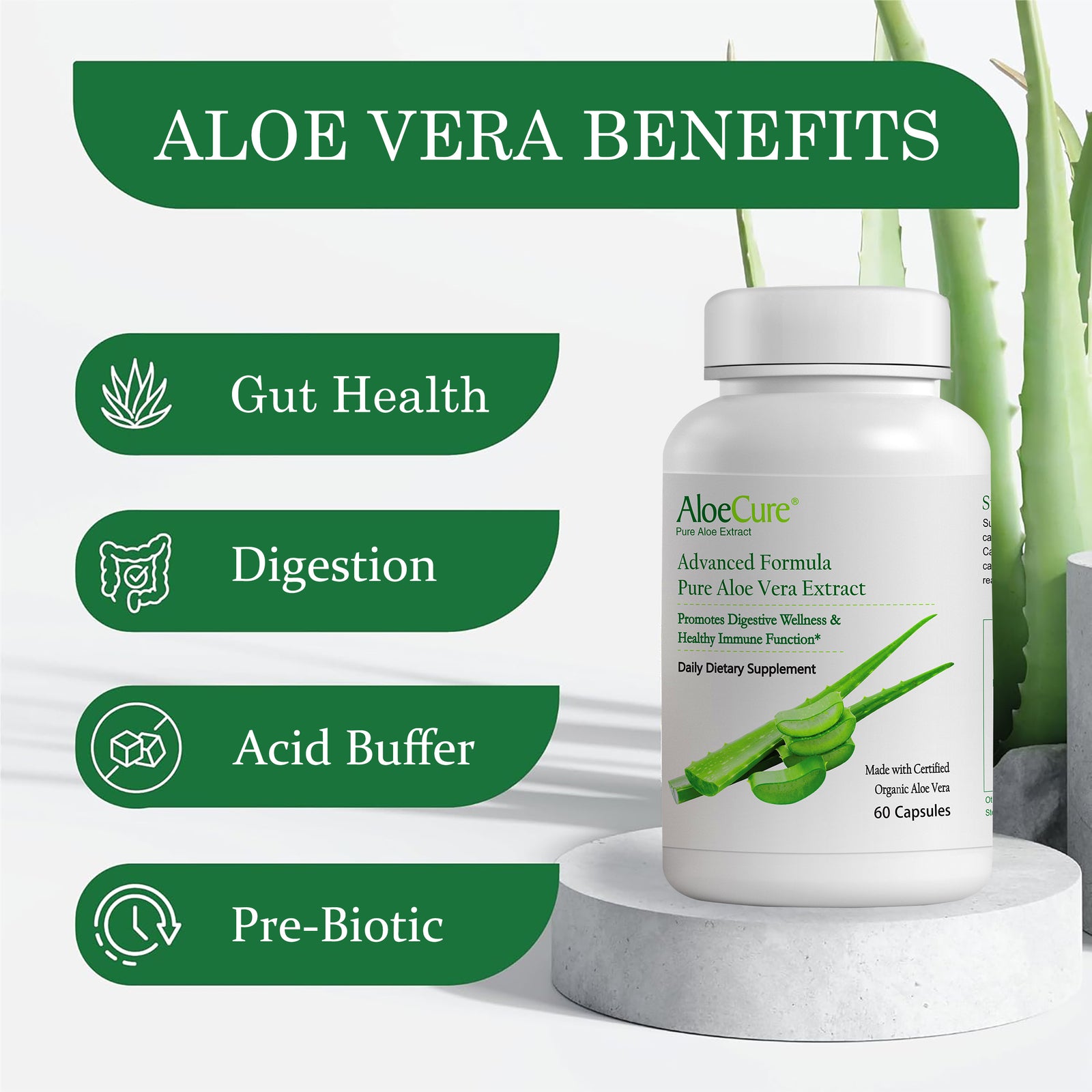
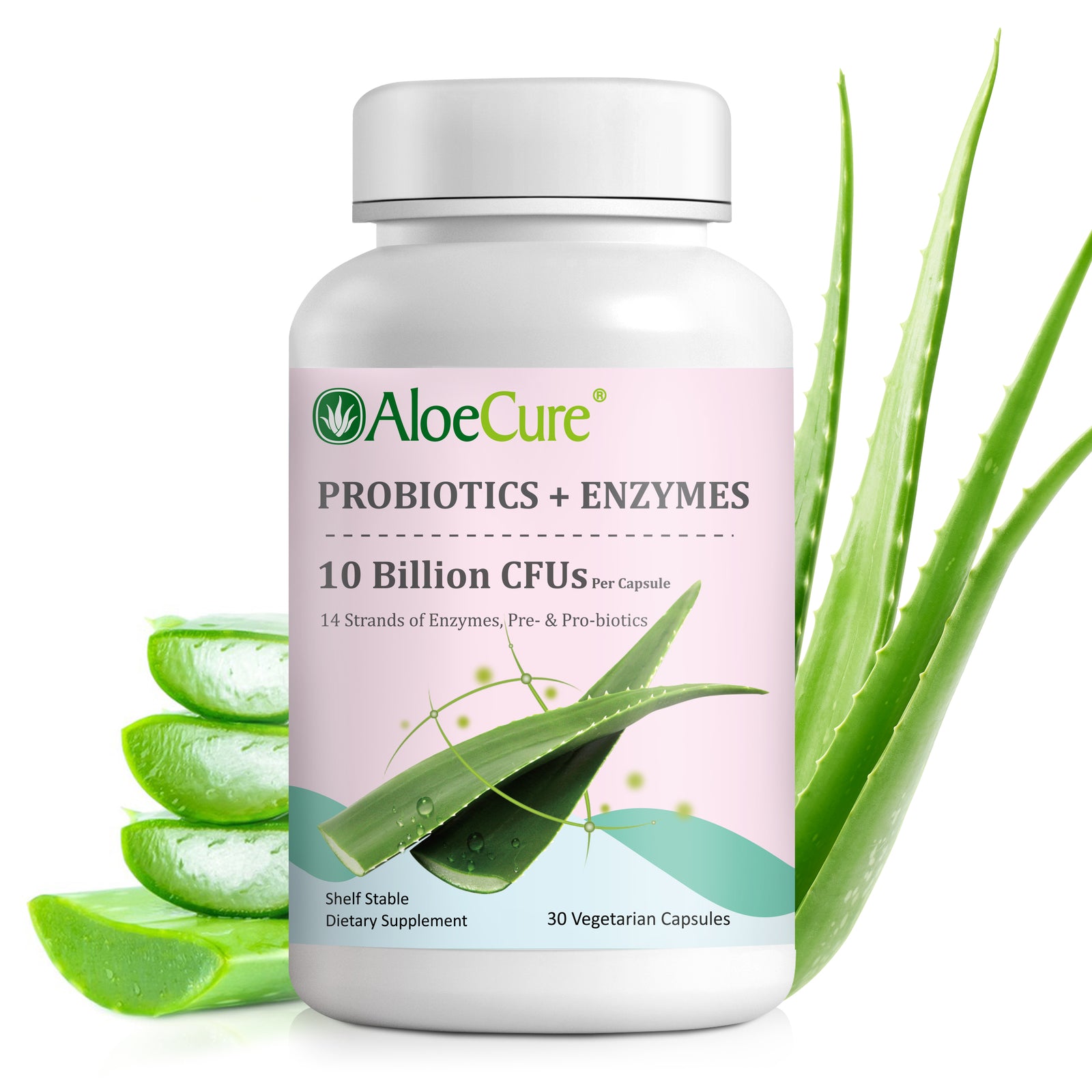
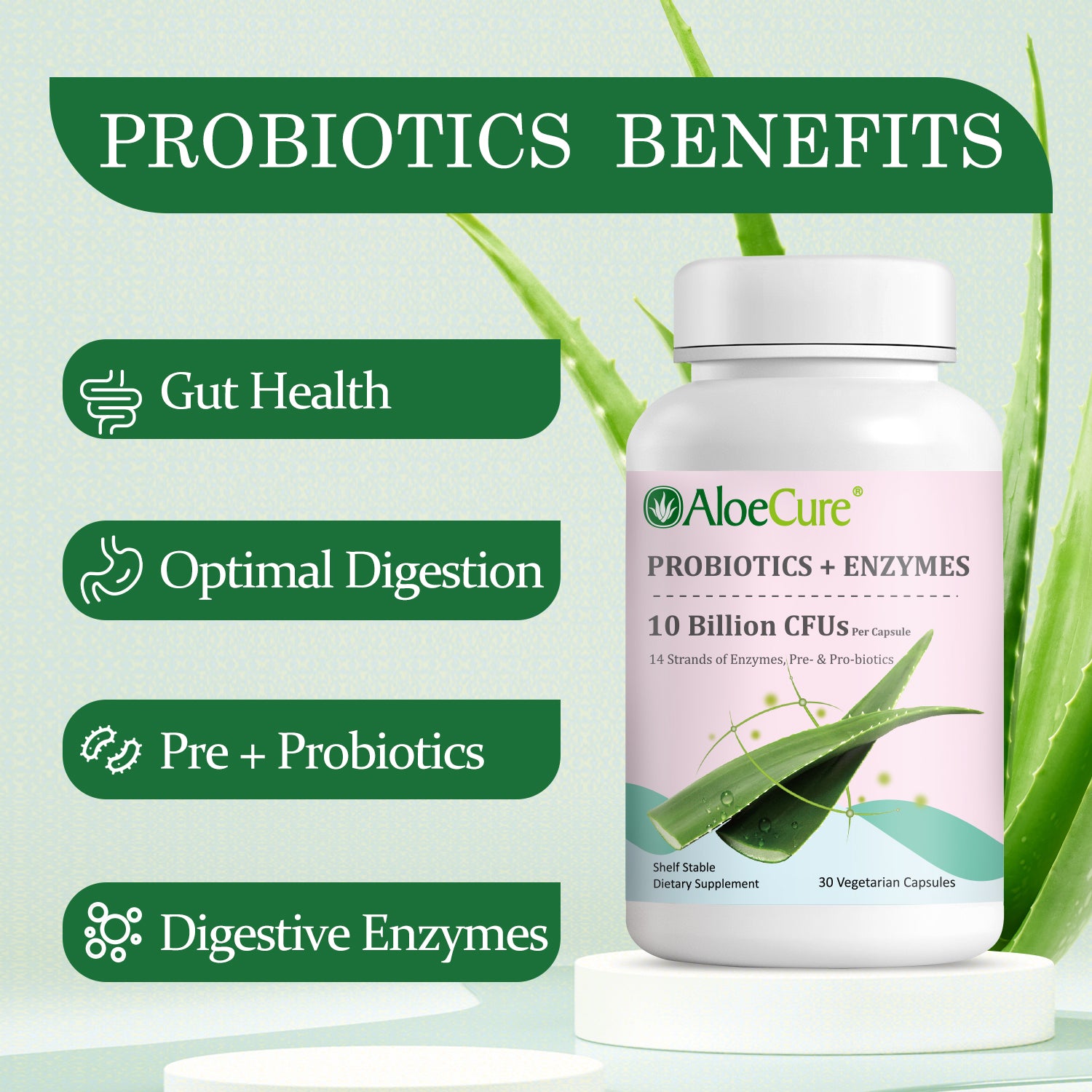
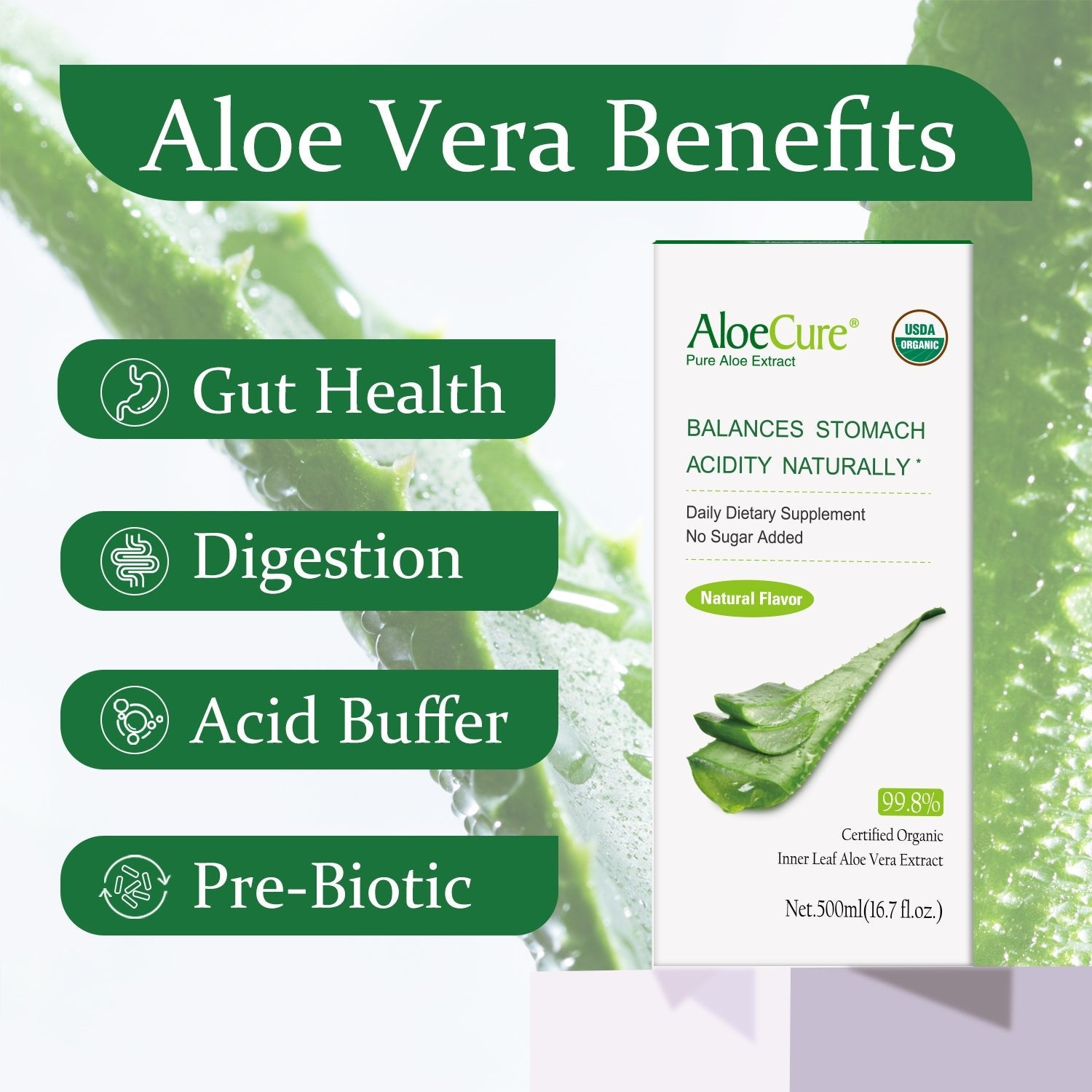
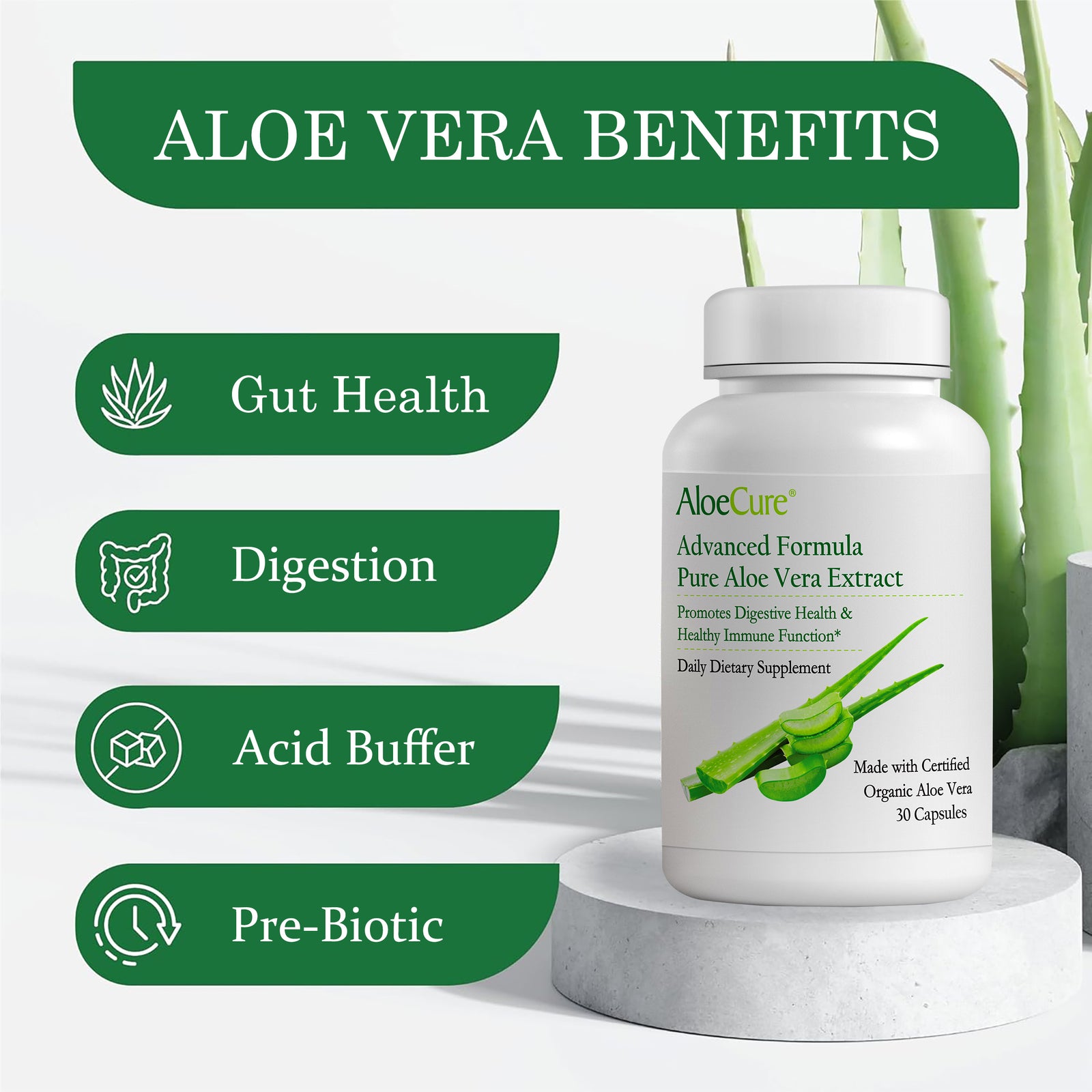
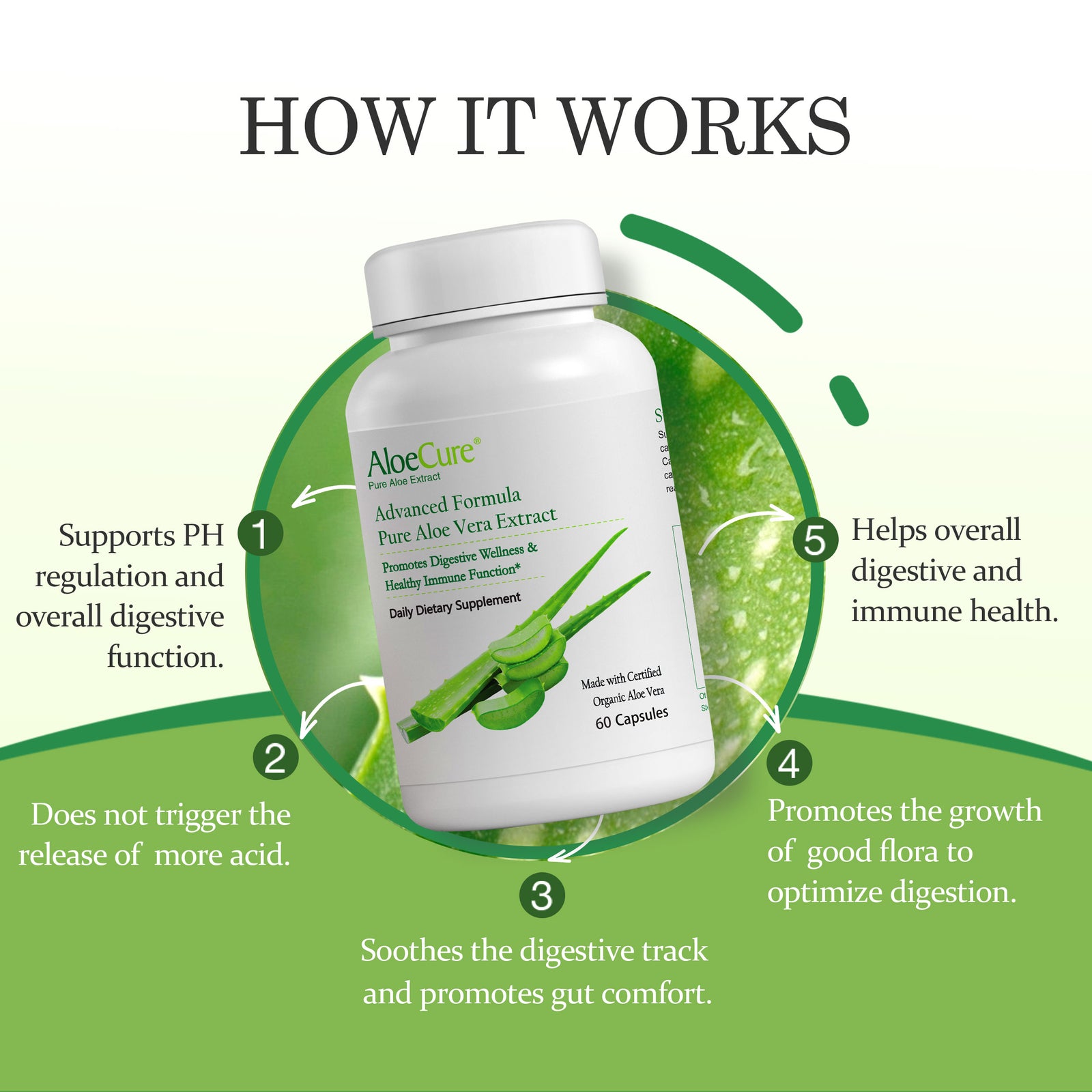
If you want aloe products made with unusually high control over sourcing and preparation, explore AloeCure. AloeCure farms its own aloe, processes it on-site, and produces its own finished products through a vertically integrated system focused on purity and traceability. You can also subscribe for 20% off with flexible delivery, which makes it easier to keep a consistent wellness routine.
Comments will be approved before showing up.