Your Cart is Empty

71 accreditation bodies operated globally in the FDA's review of third-party food-safety certification infrastructure, while the right accredited third party certification body still depends on the scope being verified. A finished supplement, a manufacturing facility, an organic supply chain, a food-safety system, and Non-GMO status each require different evidence.
Does a producer need finished-product assurance, facility GMP oversight, food-safety certification, organic certification, or Non-GMO verification? Treating those credentials as interchangeable creates a weak verification trail. This directory compares ten distinct resources, explains what each one covers, identifies important limitations, and points you toward official certification pages and registries.
The distinction matters because ISO doesn't certify organizations. External certification bodies perform certification, while accreditation bodies recognize the competence and impartiality of those certification bodies through applicable requirements. ISO also points buyers toward independent certification and accreditation arrangements rather than an “ISO-certified” shortcut. You can also review this practical guide to launch a certification program.
For dietary supplements, quality language must stay within FDA's structure/function framework. Appropriate wording includes supports healthy body function, promotes general wellness, and helps maintain normal body function. Supplement claims must be truthful and not misleading, and the required disclaimer applies wherever structure/function statements appear: These statements have not been evaluated by the Food and Drug Administration. This product is not intended to diagnose, treat, cure, or prevent any disease.
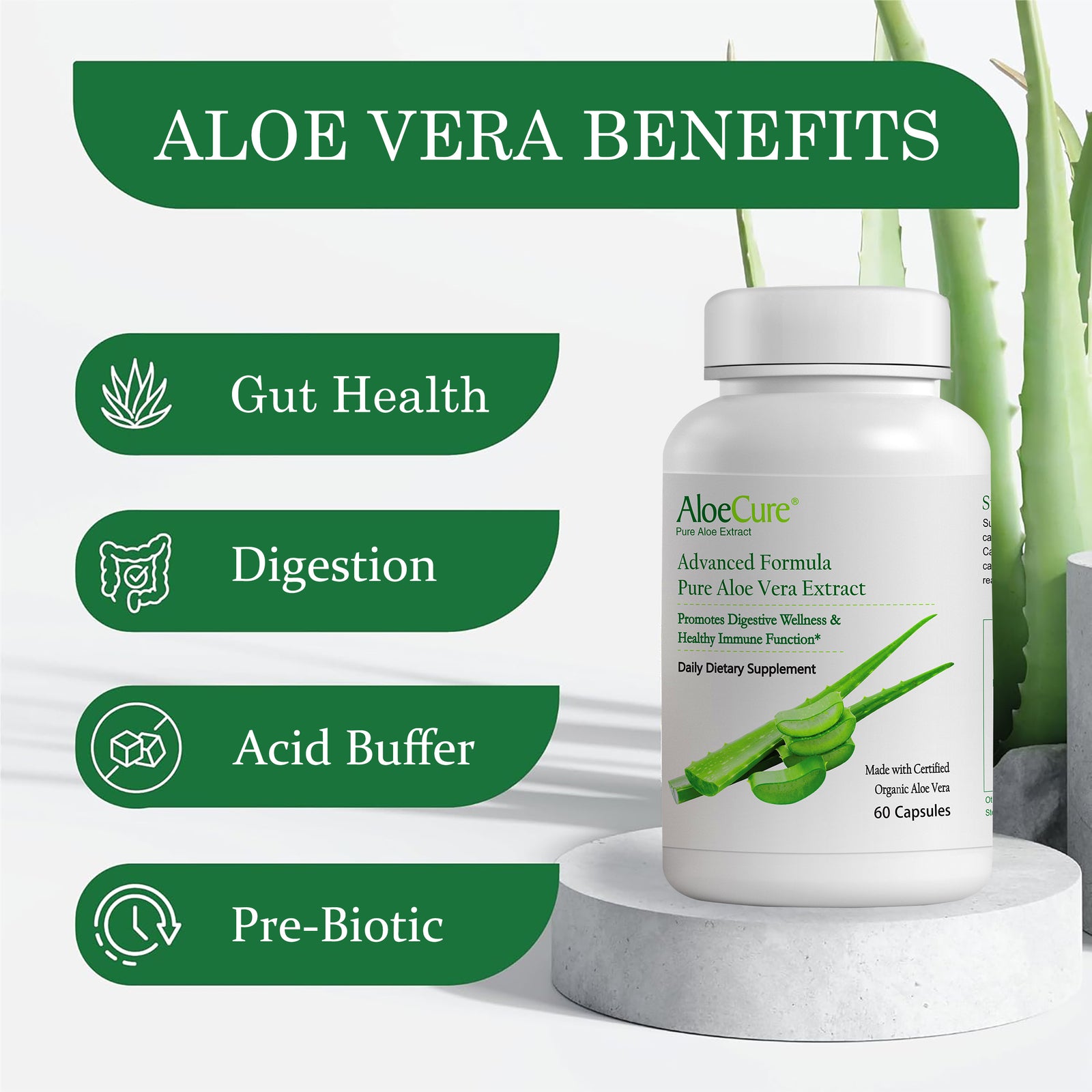
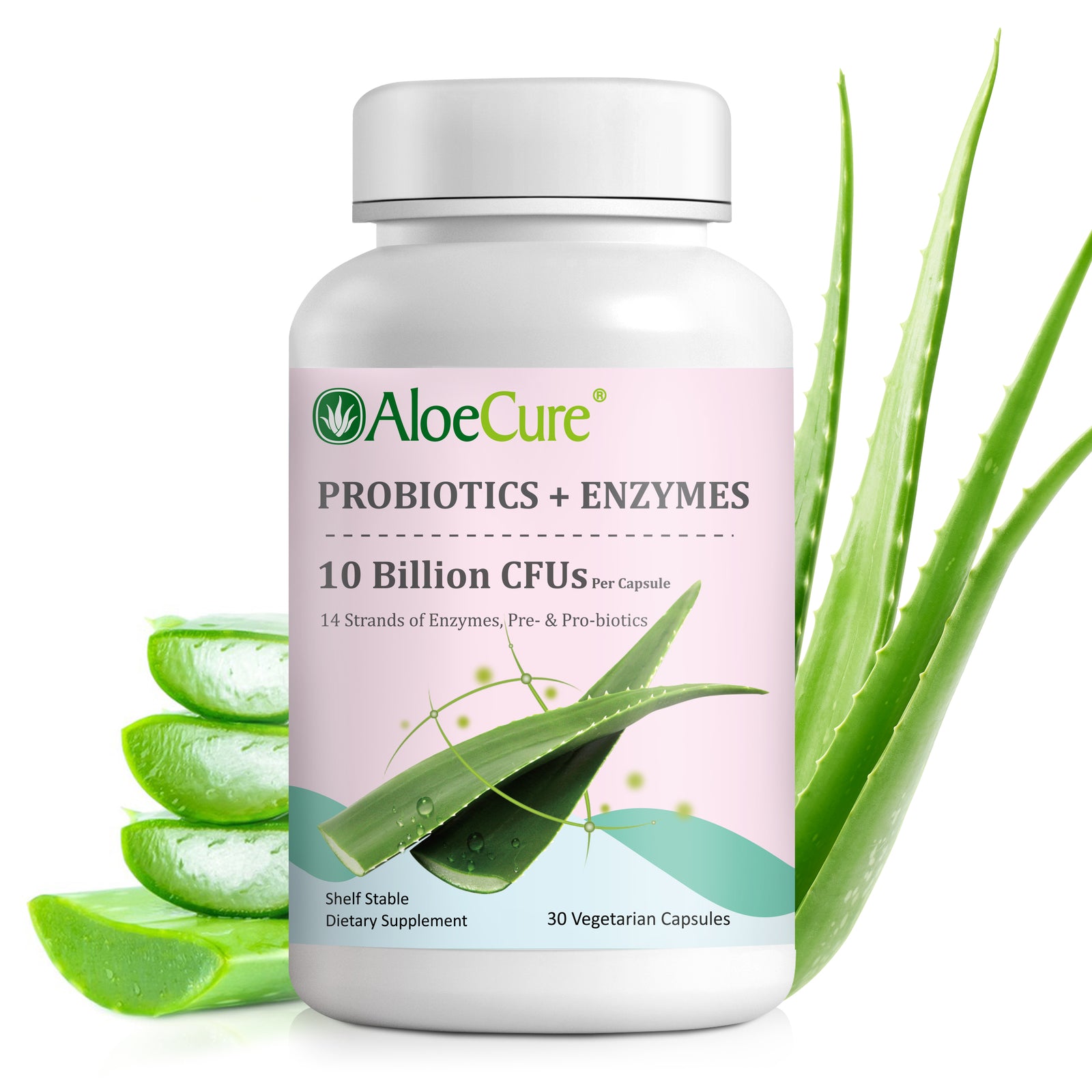
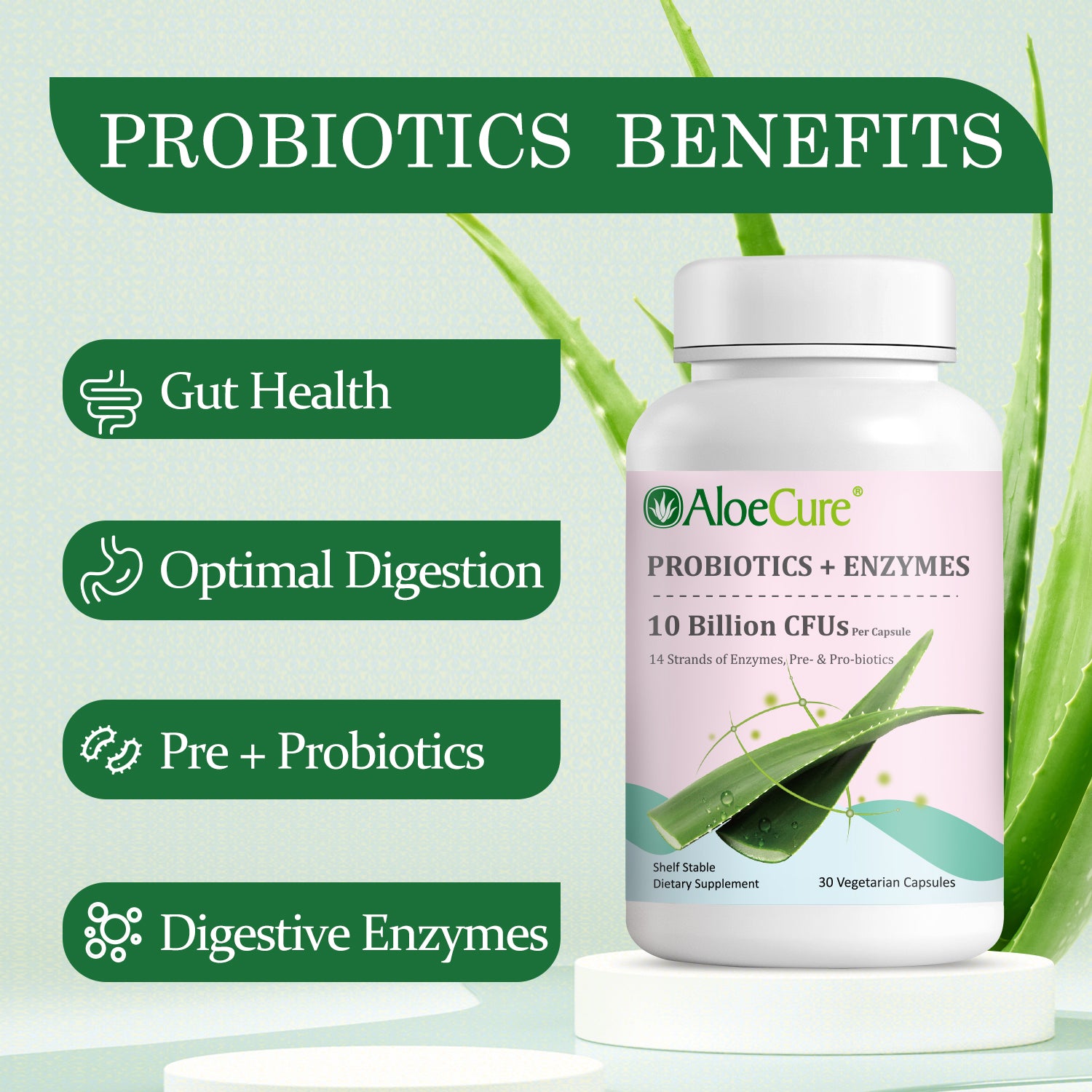
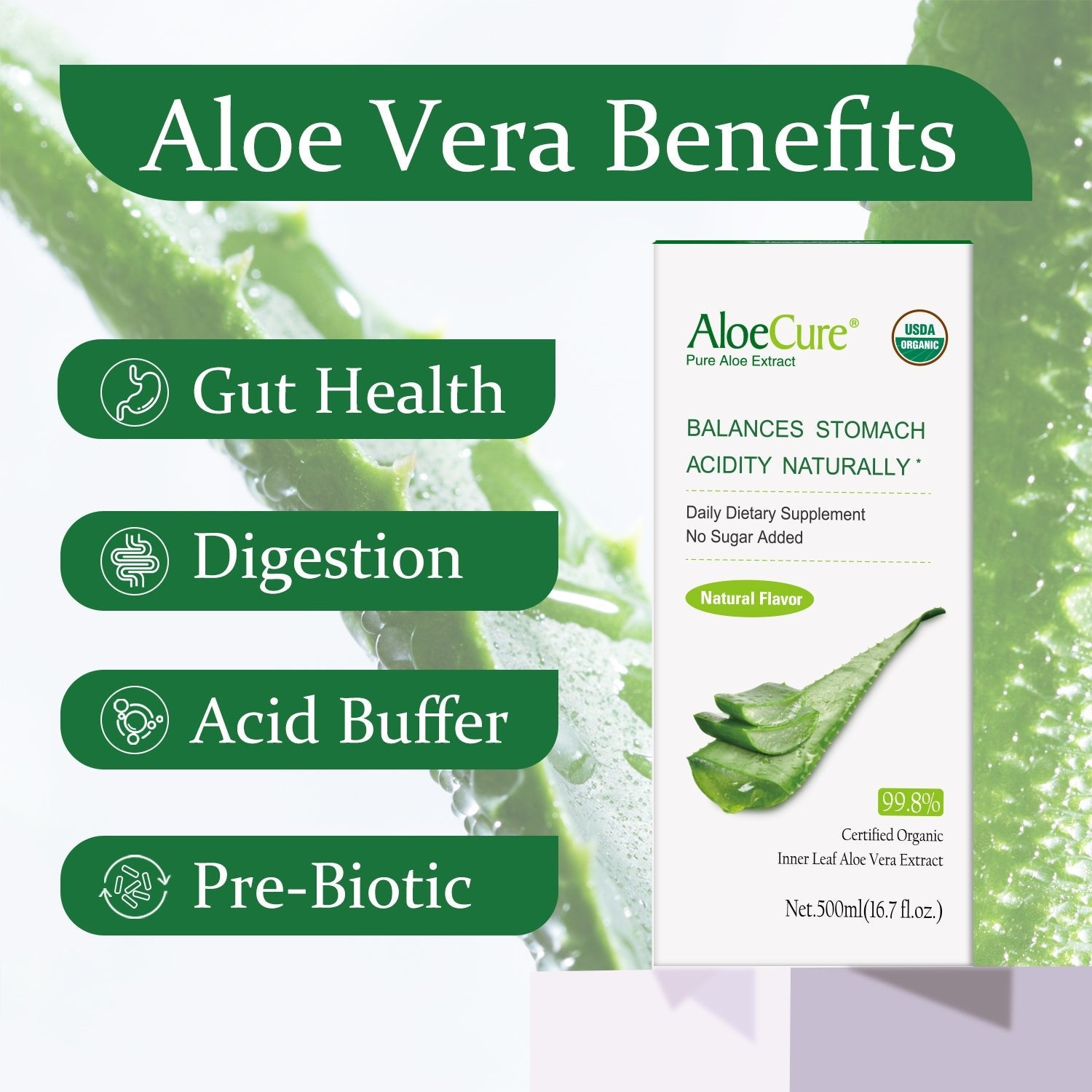
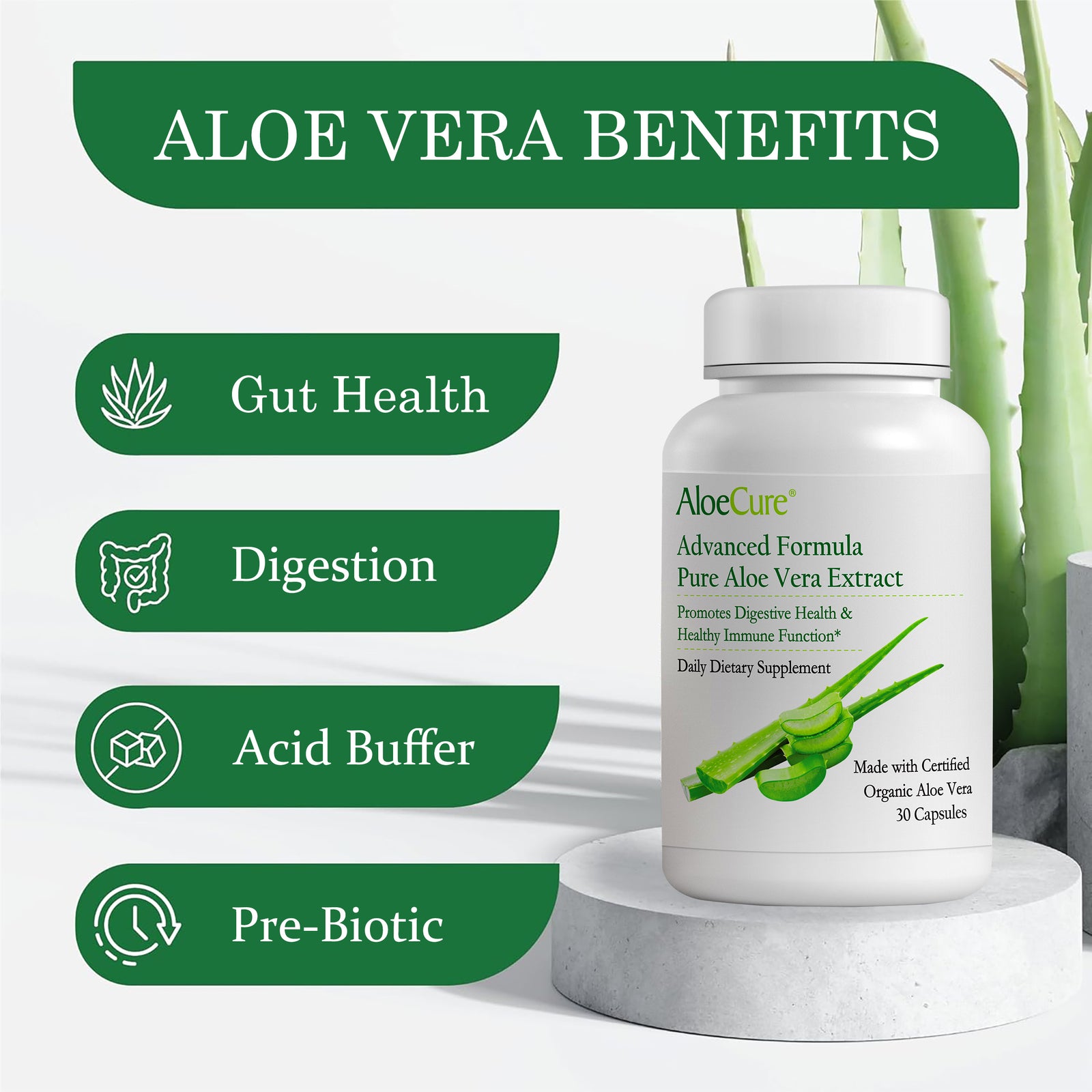
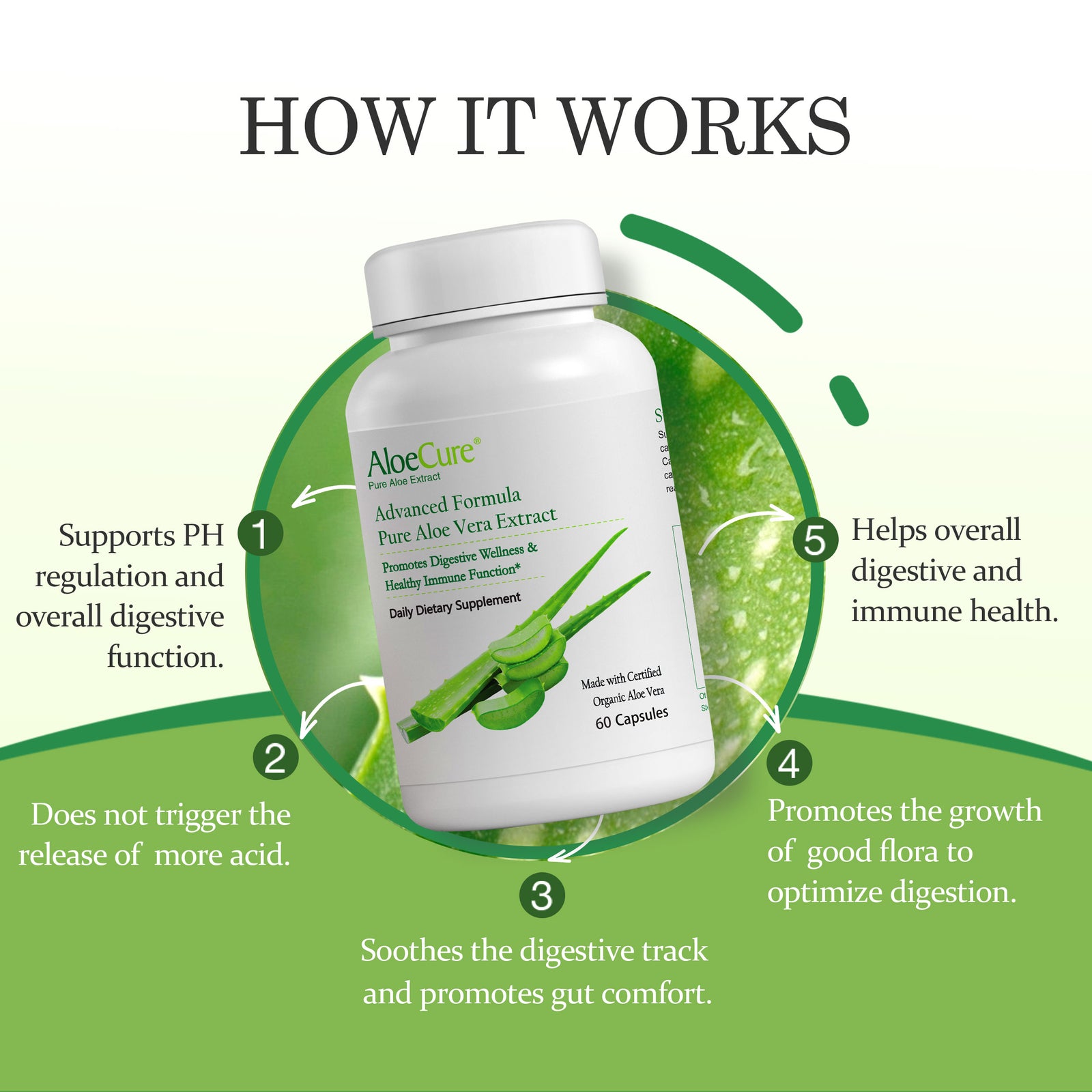
AloeCure's vertically integrated model adds useful context. The company farms its own aloe, processes it, and produces its own products, giving buyers a direct way to evaluate how raw material control connects with finished-product quality.
NSF is often the practical starting point for a U.S. supplement producer that needs both facility oversight and finished-product verification. Its supplement services include GMP certification for manufacturing operations, product certification, and programs designed for products used by athletes. The NSF supplement certification overview explains the organization's role and available pathways.
The facility pathway uses NSF/ANSI 455-2 GMP certification, while the product pathway uses NSF/ANSI 173. That separation matters. A GMP audit evaluates how a site controls manufacturing, documentation, sanitation, quality systems, and related operations. Product certification evaluates the finished item, including label, toxicology, and contaminant considerations.
NSF also operates Certified for Sport, which screens for more than 280 banned substances according to the certification information provided by NSF. That makes the program especially relevant when an athlete-facing product needs a public verification signal beyond ordinary supplement manufacturing controls.
Practical rule: A facility certificate doesn't automatically verify every SKU produced there. Check the specific product listing, scope, and current status.
Public databases make NSF useful for retailers and consumers who want to confirm whether a product or facility appears in the organization's records. Ongoing inspections and surveillance provide stronger continuity than a one-time laboratory result, though that ongoing process adds time and cost.
The trade-off is operational. Audits can be rigorous, and expenses rise with the number of sites and SKUs. Surveillance testing also requires continuing budget and documentation. Producers comparing NSF with other bodies should first decide whether the priority is a manufacturing credential, a label-level mark, athlete screening, or a combination.
For a practical explanation of why independent product testing matters, see what third-party testing means for supplements.
USP Verified is primarily a finished-product verification program, not a substitute for facility GMP certification. Its value sits on the label and in the product record. The USP Dietary Supplements Verification Program describes independent testing against USP standards and applicable FDA cGMP expectations.
USP's approach emphasizes ingredient identity, potency, purity, and product performance. It also uses ongoing off-the-shelf testing, which means verification isn't limited to samples submitted by a manufacturer during an initial review. That continuing market check can give buyers more confidence that the product remains aligned with the program's requirements.
The central distinction is simple. USP Verified can help answer, “Does this finished supplement meet the program's product requirements?” It doesn't, by itself, answer, “Has this manufacturing facility received GMP certification from this organization?”
That makes USP useful for a brand whose primary commercial need is a recognizable product-level trust signal. It can support a quality conversation around ingredient identity and potency without turning a supplement into a medical product. Any wellness statement still needs appropriate substantiation and compliant wording.
Preparation can require substantial records, samples, specifications, and technical review. A producer should also budget time for continuing testing rather than treating the mark as a one-time approval.
USP may be the better fit when the buyer needs finished-product evidence. NSF may be more suitable when the producer wants a combined facility and product pathway. Neither credential should be presented as universal proof of every aspect of farming, processing, sourcing, or distribution.
UL Solutions fits producers that need supplier-quality auditing, GMP oversight, or broader quality-system review across supplements, food, and personal care. Its supplier quality audits and certification services are better understood as operational assurance than as a widely displayed consumer supplement mark.
UL Solutions can audit dietary supplement, food, and cosmetic manufacturing environments. That breadth helps contract manufacturers and vertically integrated operators that manage more than one product category. A buyer can also use supplier-audit services to evaluate external partners, rather than limiting the review to its own plant.
The organization emphasizes impartiality and conflict-of-interest controls. Those controls matter because an accredited third party certification body must be assessed not only for technical capability, but also for independence in the work it performs.
UL's multi-industry experience is an advantage when a producer's quality program spans raw materials, processing, packaging, and finished goods. It can also be useful when a retailer or business customer wants an audit that extends beyond a narrow GMP checklist.
A broad audit scope is valuable only when the final report identifies the exact sites, activities, products, and requirements assessed.
UL Solutions has strong recognition in North American retail and regulatory settings, but its consumer-facing supplement mark is less prominent than NSF or USP. Product-level certification is also less central than facility and system audits.
That distinction should shape procurement language. A UL facility audit may support confidence in manufacturing controls, but it shouldn't be described as finished-product verification unless the certificate explicitly covers the product and that scope can be verified. Producers should request the applicable standard, site scope, audit frequency, corrective-action process, and public verification method before signing.
SGS is a strong candidate when the operation is closer to a food-processing and beverage system than to a single supplement SKU. Its FSSC 22000 services for food and ingredients cover a broader food-safety context, including FSSC 22000, ISO 22000, HACCP, inspections, and laboratory services.
For juice processing, bottling, ingredient handling, and labeling controls, SGS can combine several forms of assurance. A food-safety management system certificate addresses the operation's processes and controls. Laboratory testing and inspection can provide additional evidence for raw materials, production, and finished goods, but those services remain distinct from the management-system certificate.
That separation is important for producers communicating quality claims. Food-safety certification doesn't automatically verify organic status, Non-GMO status, or every finished-product attribute. The producer needs the right supporting records for each claim.
SGS's global auditor network can help brands that sell across regions or operate with international suppliers. Its scale may also reduce audit fatigue when one provider can coordinate multiple related services. Retailers and multinational customers often value consistent system documentation because it makes supplier evaluation easier.
Large testing, inspection, and certification firms can involve longer scheduling lead times. Complex or multi-site scopes may also require more coordination and a larger budget. The producer should define whether the immediate need is a single facility audit, certification across multiple locations, laboratory testing, or an integrated program.
SGS is therefore a systems-oriented choice. It isn't the most direct answer to a consumer asking whether a particular supplement bottle has verified ingredient potency. For that question, a finished-product program such as USP Verified may be more directly relevant.
Intertek suits beverage facilities, co-packers, and multi-site brands that need food-safety certification plus preparation support. Its FSSC 22000 assurance services include certification, training, and related guidance for organizations working with FSSC 22000, ISO 22000, and HACCP requirements.
Intertek's multi-scheme capability lets a producer align its certification route with customer requirements. One buyer may ask for FSSC 22000, another may accept ISO 22000, and a smaller operation may begin with HACCP-based controls. The correct choice depends on the customer, market, facility risk, and applicable scheme rules.
The ability to combine gap assessments, training, and certification can help a site identify weaknesses before the formal audit. It doesn't remove the need for independent certification. Preparation services and certification decisions should remain clearly separated so the final assessment retains credibility.
Intertek also provides guidance around certification-mark use. That matters because a certificate can be misrepresented when a company places a system mark on a product package or implies that a facility credential proves a product attribute it never assessed.
Global consistency is useful for brands managing several facilities or suppliers. Technical guidance can also help internal quality teams prepare records, train personnel, and organize corrective actions. The limitation is visibility. Intertek is less familiar to many U.S. consumers than NSF or USP, so its value often appears in retailer, customer, and supply-chain procurement rather than on a consumer-facing supplement label.
Turnaround depends on auditor availability and the site's readiness. Producers should ask what is included in the quote, which services are advisory, what the certification scope says, and how certificate status will be confirmed after issuance.
Bureau Veritas is a mature option for food and beverage businesses seeking FSSC 22000, ISO 22000, and related food-safety certification. Its FSSC 22000 certification service is designed for operations that need recognized system certification for retailer relationships, brand-owner requirements, or export readiness.
Bureau Veritas can deliver a complete FSSC 22000 program and integrate food-safety work with other management-system audits. That integration may help a multi-site organization coordinate quality, environmental, and food-safety reviews without treating each audit as an unrelated exercise.
The benefit is operational coherence. A producer can map shared controls, document responsibilities, and reduce duplicated preparation where the standards and audit scopes overlap. The certificate still has boundaries. It applies to the documented site and activities within the approved scope, not automatically to every product, farm, supplier, or marketing statement.
Bureau Veritas has U.S. delivery capability and international reach. That combination can support a brand that expects to serve customers in more than one market. It can also help a supplier demonstrate a familiar system credential to retail and commercial buyers.
Scope decision: Choose Bureau Veritas for the management system you need recognized, then verify separate evidence for organic, Non-GMO, ingredient identity, and finished-product attributes.
Scheduling can be competitive because large certification bodies serve many industries and regions. Bureau Veritas also offers fewer consumer-facing supplement product marks than specialized organizations such as NSF or USP.
The best use case is a producer whose main question is, “Can this food-safety system withstand customer and export scrutiny?” It isn't a replacement for a product-level verification program, and it shouldn't be used to imply that an aloe product has a particular composition unless that attribute was specifically assessed.
BSI is well suited to juice manufacturing and packaging operations that need technical food-safety certification, training, and internal capability building. Its FSSC 22000 certification services include accredited and licensed certification delivery alongside training resources for HACCP, FSSC, SQF, and BRCGS.
BSI's differentiator is the combination of certification and technical education. A producer can use training to improve internal audit skills and prepare staff for the practical demands of a food-safety management system. That preparation is valuable because certification depends on implemented controls, not on polished policy documents.
BSI also provides guidance for scheme-version transitions. A facility that waits until an update becomes urgent may face documentation changes, retraining needs, and scheduling pressure. Working with technical resources earlier can help the internal team understand which controls, records, and procedures need attention.
The certification itself remains separate from training. Completing a course doesn't make the company certified, and an internal auditor's training doesn't replace an external assessment by an appropriately recognized certification body.
BSI offers consistent U.S. delivery and technical resources for organizations whose customers expect a recognized food-safety system. It is primarily focused on system certifications rather than consumer product marks, so it won't answer a shopper's question about finished-product potency or organic sourcing.
Lead times may extend during scheme-version transitions. Producers should confirm the current certification rules, audit scope, transition requirements, and certificate directory before publishing a mark or claim.
QAI is the clearest fit in this directory for USDA Organic certification of producers, processors, and handlers. Its QAI certification services cover organic operations and provide a searchable directory of certified clients and products.
QAI's USDA National Organic Program accreditation is relevant when a producer needs to substantiate organic farming, processing, handling, or applicable supplement activities. It also holds international organic accreditations, which can help businesses serving markets with recognized equivalency arrangements.
That scope doesn't extend automatically to Non-GMO verification or GFSI food-safety certification. A producer may need multiple organizations because the credentials answer different questions:
QAI is backed by NSF and accredited to ISO/IEC 17065, a standard used for bodies certifying products, processes, and services. That accreditation supports confidence in the certification body's competence and impartiality, but it doesn't make every QAI-certified product identical or universally suitable for every buyer.
The online directory gives procurement teams a route to confirm certified clients and products. Inspection timing and documentation readiness can affect the schedule, especially for new operations or changing product scopes.
QAI is a strong choice for organic aloe supply chains and processing partners. It shouldn't be presented as a complete quality credential when the buyer also needs finished-product testing, food-safety certification, or Non-GMO evidence.
CCOF is another USDA-accredited organic certification body, with broad coverage across crops, livestock, and handling or processing. Its organic certification services provide onboarding information, client support, and options intended to help operations move through the certification process.
CCOF's scope is useful for farms, processors, and handlers that need a recognized U.S. organic pathway. Its producer support, bilingual assistance, and transparent certification steps can make the process more manageable for operations with changing products or facilities.
CCOF also offers expedited and rush-review services in some circumstances. Those options can help when a business faces a launch deadline, but they don't eliminate the need for complete records, inspection readiness, and compliance with the applicable organic requirements. They may add cost and can be constrained during busy periods.
The organic mark answers a specific sourcing and handling question. It does not establish that a finished supplement has passed a product-level potency review, that a facility holds FSSC 22000 certification, or that a product meets Non-GMO Project requirements.
A producer should match the certificate to the actual marketing language. If the claim concerns certified organic aloe, review the certified operation, product list, handling activities, and current status. If the claim concerns manufacturing quality, use a separate GMP or food-safety credential.
For consumers researching organic supplement choices, AloeCure explains its approach in USDA Organic supplements. The useful comparison isn't which mark looks most impressive. It's whether the organization's scope covers the precise operation and claim being made.
FoodChain ID is the specialist choice here for Non-GMO Project verification and supply-chain documentation. Its Non-GMO Project services include verification management through the SupplyTrak platform, FoodChain ID's own Non-GMO certification and testing services, and workflows for renewals and document maintenance.
Non-GMO verification depends on more than a finished-product statement. Ingredient records, supplier documentation, risk review, testing, and renewal activities all contribute to the evidence trail. FoodChain ID combines verification management with in-house and approved GMO testing, which can help a brand coordinate technical records across a clean-label portfolio.
SupplyTrak is particularly relevant for businesses managing many ingredients, suppliers, or products. Centralized records can make it easier to identify missing documents, track renewal work, and show how a product's claim connects to its supply chain.
Due diligence is the record behind the mark. A logo without current scope, supporting documents, and verification status is weak evidence.
FoodChain ID is a strong fit for Non-GMO Project workflows and B2B supply-chain claims. It isn't a substitute for USDA Organic certification or GFSI food-safety certification. Producers should maintain a separate matrix showing which organization verifies each claim, then use the applicable due diligence evidence process.
Check the product or company listing, current verification status, renewal expectations, and the ingredients or categories covered. Don't assume that one verified item represents every SKU made by the same producer.
For consumers comparing aloe products, AloeCure provides additional context in its guide to the best aloe vera juice brand. The useful question remains scope-first: what exactly has FoodChain ID verified, and what evidence belongs to another certification body?
| Certifier | Core focus & features | Trust / Quality ★ | Unique selling point ✨🏆 | Target audience 👥 | Price / Value 💰 |
|---|---|---|---|---|---|
| NSF (NSF International) | Supplement GMP audits (NSF/ANSI 455-2); NSF/ANSI 173 product cert; Certified for Sport | ★★★★★ (ongoing surveillance) | ✨ Public certification DB; Certified for Sport; facility + product scope 🏆 | 👥 Supplement brands, athletes, retailers | 💰 High, SKU/site & surveillance costs |
| U.S. Pharmacopeia (USP) – USP Verified | Independent finished-product testing vs USP standards; off‑the‑shelf market testing | ★★★★★ (label‑level trust) | ✨ USP Verified mark; potency & ingredient identity focus 🏆 | 👥 Finished‑product brands, HCPs, quality‑conscious buyers | 💰 Moderate–High (testing & documentation) |
| UL Solutions | GMP & supplier quality audits across supplements, food, cosmetics; impartiality controls | ★★★★ | ✨ Impartial supplier-audit programs; multi‑industry expertise | 👥 Contract manufacturers, internal facilities, retailers | 💰 Moderate–Variable (scope‑based) |
| SGS (SGS North America) | FSSC 22000, ISO 22000, HACCP; integrated lab testing & inspection | ★★★★ | ✨ End‑to‑end food safety + bundled lab testing 🏆 | 👥 Juice processors, bottlers, ingredient QA teams | 💰 High (complex/multi‑site scopes) |
| Intertek | FSSC/ISO/HACCP certification + training, gap assessments, pre-audit support | ★★★★ | ✨ Combines gap assessments, training & certification prep | 👥 Beverage facilities, co‑packers, multi‑site brands | 💰 Moderate–High (training/services add) |
| Bureau Veritas | FSSC 22000 delivery; recognized by retailers; export readiness | ★★★★ | ✨ Integrates food safety with quality/environment audits | 👥 Food & beverage ops needing retailer/export credentials | 💰 Moderate–Variable |
| BSI (BSI Group, Americas) | FSSC/ISO certification + extensive food‑safety & auditor training | ★★★★ | ✨ Strong technical resources; robust auditor training & scheme guidance | 👥 Juice manufacturers seeking GFSI recognition | 💰 Moderate (training premium) |
| QAI (Quality Assurance International) | USDA NOP organic certifier; international organic accreditations; processor/handler focus | ★★★★ (organic expertise) | ✨ USDA‑accredited organic specialist; online cert directory; NSF‑backed | 👥 Organic aloe processors, handlers, exporters | 💰 Moderate (organic scope only) |
| CCOF Certification Services | USDA Organic certification across crops, livestock, handling/processing; client support | ★★★★ | ✨ Expedited/rush review options; strong producer onboarding | 👥 U.S. organic producers, fast SKU launches, bilingual clients | 💰 Moderate (expedited fees possible) |
| FoodChain ID (Non‑GMO Project TA) | Non‑GMO Project technical admin; GMO testing; SupplyTrak verification platform | ★★★★ | ✨ Official Non‑GMO Project admin + SupplyTrak workflow for renewals & testing 🏆 | 👥 Brands pursuing Non‑GMO verification, clean‑label teams | 💰 Moderate (ongoing renewals & testing) |
Selecting an accredited third party certification body starts with the claim, not the logo. Write the claim or operational need in plain language first: finished-product identity and potency, facility GMP controls, food-safety management, organic farming and handling, or Non-GMO supply-chain status.
Then match that need to the organization's actual program. NSF and USP can address supplement quality from different angles, with NSF offering facility and product pathways and USP focusing more directly on finished-product verification. UL Solutions can support supplier and quality-system audits. SGS, Intertek, Bureau Veritas, and BSI are stronger candidates when a food or beverage facility needs recognized management-system certification. QAI and CCOF address organic certification, while FoodChain ID addresses Non-GMO verification.
The next step is evidence review. Ask for the applicable standard, certificate scope, site or product identification, audit or testing requirements, surveillance expectations, corrective-action process, and renewal terms. A certificate should identify what was assessed. It shouldn't be treated as proof of attributes that fall outside that scope.
Verify the credential through the official directory or registry whenever one exists. ISO explains that it doesn't certify organizations, and FDA's accredited third-party program illustrates why the chain matters: accreditation bodies recognize certification bodies, certification bodies audit and certify within an approved scheme, and buyers still need to verify the relevant certificate or listing. Public registries such as IAF CertSearch and national accreditation resources can help confirm status, scope, and issuing relationships.
A comparison matrix keeps the decision precise. Record separate columns for:
Accreditation improves confidence in a certification body's competence and impartiality. It isn't a blanket guarantee that a product is superior, safe for every individual, or appropriate for every use. Buyers should still review product testing, facility controls, traceability, labeling, claim substantiation, and current registry status.
AloeCure's vertically integrated farm-to-product approach gives shoppers a direct quality story to investigate. The company farms its aloe, processes it, and produces its own aloe products, rather than relying solely on disconnected supply-chain claims. Its product pages provide a practical next step for shoppers who want to review the available formulas and select a product that matches their wellness goals.
For supplement structure/function statements, the required disclaimer is: These statements have not been evaluated by the Food and Drug Administration. This product is not intended to diagnose, treat, cure, or prevent any disease. Appropriate language can describe support for healthy body function, general wellness, normal physiological processes, and the body's natural processes. It shouldn't imply that a supplement addresses a named medical condition or replaces professional care.
The most trustworthy certification story is therefore not the one with the largest collection of logos. It's the one that lets a customer follow the evidence from claim, to scope, to certificate, to current verification record, and finally to the product in hand.
AloeCure offers vertically integrated aloe products made from aloe it farms, processes, and produces through its own operation, with organic options and a clear focus on traceability. Visit AloeCure to explore the product range or choose Subscribe & Save for 20% off and flexible delivery.
Comments will be approved before showing up.