Your Cart is Empty

You probably already check ingredient lists on your supplements. Maybe you look for organic certification, low sugar, or short formulas. With aloe, one question deserves equal attention. How was it purified?
That single detail often determines whether the juice still behaves like aloe or has been processed into a cleaner-looking but less active liquid. Two bottles can carry the same “purified aloe vera juice” claim, yet the better one is usually the one handled with more care, using methods that remove unwanted compounds without flattening the inner gel that gives aloe its value.
Aloe has earned a lasting place in wellness because people have used it for generations, and modern reference texts continue to document its long history in topical and internal use. Today, many people choose purified aloe vera juice as a simple plant-based addition to routines centered on hydration, digestive comfort, skin appearance, and overall balance.
The important point is straightforward. Purity is not only about removing what can irritate the body. It also means protecting the delicate compounds in the inner leaf during processing. A good purifier works like a careful water filter, taking out what you do not want while leaving the useful material intact. Industrial shortcuts often do the opposite. They create a sellable product, but they can reduce the very bioactivity consumers expect from aloe.
What are you really getting when a bottle says "purified aloe vera juice"? For many shoppers, that word sounds like a simple safety step. In reality, it is the main factor that decides whether the juice still acts like aloe or has been processed into a cleaner-looking liquid with much less of the plant's original activity.
That is why purified aloe deserves a place in a wellness routine only when the purification method is handled with care.
Aloe is a sensitive raw material. The inner leaf gel is the part people seek out, but it sits next to compounds that need to be removed for regular drinking. A careful producer separates those layers, filters out unwanted material, and protects the gel with as little stress as possible. A shortcut-focused producer can also remove the unwanted parts, but in the process it may strip away much of what made the aloe worth drinking in the first place.
A kitchen analogy helps here. Washing fresh berries gently removes dirt while keeping the fruit intact. Crushing, bleaching, and overhandling them would also produce something "cleaner," but not something you would call fresh. Aloe works in a similar way. Purification should clean up the juice, not flatten it.
Labels rarely explain the difference between chemical-free purification and industrial processing designed mainly for speed, shelf appeal, or cost control. Both products may use the word "purified." Only one may have protected the inner gel well enough to preserve meaningful bioactivity.
People choose aloe specifically for its natural compounds, not just as flavored water. That is why processing deserves as much attention as the ingredient panel.
Confusion also starts with the leaf itself. The plant contains a yellow latex layer with compounds such as aloin that need to be removed. If you want a clearer picture of what aloin is and why it matters, it helps to understand that purification is not just about subtraction. It is also about preserving the right part of the leaf.
Pure aloe juice fits easily into a simple routine because it is light, water-rich, and easy to use consistently. People often reach for it as part of habits centered on digestive comfort, hydration, and everyday wellness support.
Its value, though, does not come from being plain or low in extras. It comes from starting with the inner gel and treating that gel carefully from harvest to bottle.
Key takeaway: With aloe, "purified" is only the first question. The more important one is how the purification was done, because the method determines how much of the plant's original bioactivity is still there.
What separates purified aloe vera juice from ordinary aloe liquid. The answer starts inside the leaf.
Cut open an aloe leaf and you will see distinct layers, much like an orange has a peel and fruit. For a drinkable aloe product, the target is the clear inner gel, not the whole leaf.

The outer rind is the green protective shell.
The yellow latex layer sits beneath it. This layer contains aloin, which needs to be removed for a product meant for regular drinking.
The inner gel is the clear center. This is the portion associated with aloe’s water content and naturally occurring plant compounds.
Purification is the process of separating the useful inner gel from the parts of the leaf that can make the final juice harsher or less suitable for daily use. In plain terms, purified aloe juice should be cleaned up, not stripped down.
That distinction matters more than the word itself.
A careful process removes unwanted latex compounds while protecting the gel’s original character. Faster industrial methods can also remove aloin, but they may rely on heavier correction steps that put more stress on the plant material. Two bottles can both say "purified" and still deliver very different results because the method of purification determines how much of the gel remains intact.
If you want a clearer explanation of what aloin is and why it matters in aloe juice, it helps to understand that purification is both removal and preservation.
Starting with the inner fillet gives producers a cleaner starting material. That usually means less need for aggressive processing later.
Using more of the leaf often creates more cleanup work. Once that happens, manufacturers may need extra filtering, decolorizing, or other corrective steps to get the product into bottle-ready form. The final liquid may look neat and uniform, but appearance does not tell you how gently the aloe was handled.
Inner-leaf aloe is often preferred for this reason. It keeps the focus on the part of the plant people want to drink.
Well-purified aloe should still feel like aloe. Good purification removes unwanted elements without destroying the valuable compounds naturally present in the inner gel.
That is the part many labels skip. They tell you the juice is purified, but not whether the process protected the gel or pushed it through shortcuts designed for speed and shelf life.
A useful way to judge the term "purified" is to ask a simple question. Was the aloe cleaned carefully, or heavily processed until it became a clear liquid with less of the plant’s original value? For anyone choosing aloe for wellness support, that processing difference is often the true story.
What does “purified” really tell you. Less than many shoppers assume.
Aloe can be cleaned up in very different ways, and the method matters more than the marketing word on the front of the bottle. Two products may both look clear, taste mild, and use the word purified, yet one may have been handled gently while the other was pushed through corrective steps designed for speed, uniformity, or lower cost.

Fresh herbs offer a familiar comparison. Dry them carefully and much of their aroma stays intact. Heat them too hard or process them too aggressively, and they may still look usable while losing much of what made them valuable in the first place.
Purified aloe vera juice works in a similar way. The goal is not only to remove unwanted compounds. The goal is to do that while preserving the inner gel’s natural character.
That is the detail many labels skip.
A chemical-free purification approach usually starts with cleaner material and relies on fewer corrective steps. Industrial shortcut methods often depend on heavier intervention later, such as decolorizing, stronger filtration, concentration, or higher heat. Those methods can create a polished, bottle-ready liquid, but appearance does not confirm that the aloe’s bioactive compounds were well protected.
Several common processing choices can change what ends up in the final bottle. Whole-leaf input may require more cleanup. Charcoal filtration can remove unwanted components, but it is still a corrective step. Concentrates and powders solve storage and shipping problems, yet they also put more distance between the drink and fresh inner gel.
None of this means every filtered or standardized product is poor. It means the word purified is incomplete without the method behind it.
A helpful question is simple. Was the aloe carefully cleaned, or was it heavily corrected after rougher handling?
Here is a practical comparison of what shoppers should look for.
| Processing Feature | AloeCure Natural Process | Common Industrial Process |
|---|---|---|
| Starting material | Inner leaf fillet focus | Often whole leaf or more mixed source material |
| Filtration style | Chemical-free filtration | May use charcoal filtration or other corrective steps |
| Heat exposure | Aims for gentle handling | Can involve more aggressive processing |
| Plant integrity | Prioritizes preserving natural compounds | May prioritize visual uniformity and scale |
| Consumer takeaway | Cleaner path from plant to bottle | “Purified” may hide how much correction was needed |
Understanding what happens to the useful compounds makes aloe quality harder to see and more important to understand.
Aloe contains polysaccharides and other naturally occurring compounds that wellness shoppers often want to preserve. Processing can work like cleaning a delicate fabric. Gentle washing removes what you do not want. Harsh treatment can strip out what made the material worth keeping.
One technical specification for aloe raw material points to Aloverose as a quality marker in aloe juice and notes that heavily processed powder-based inputs may lose a meaningful share of original bioactivity during processing, according to the technical specification for aloe vera leaf juice.
That distinction matters. Fresh, carefully handled aloe juice and a product rebuilt from concentrate or powder may both fit under the same broad category on a label, but they are not produced with the same respect for the plant.
Control matters at every step.
When the same company grows the aloe, processes it, and bottles the finished juice, there are fewer chances for delay, substitution, or rough handling between stages. Aloe's delicacy makes this control over the process critical. Heat, time, and repeated processing can all work against preserving the gel’s original profile.
Vertical integration does not guarantee quality by itself. It does make it easier to protect quality on purpose, from harvest through filtration.
Practical rule: If a brand says “purified,” ask how. A clear answer should explain the method, not just repeat the claim.
Once you understand processing, the wellness side makes more sense. A carefully purified juice can support the body because more of the plant’s natural profile remains available.
That support is not about dramatic promises. It is about helping the body work the way it is supposed to.

Pure aloe juice offers a light nutritional profile in a water-rich form. That can make it easy to use as part of a routine built around hydration and digestive balance.
When a product keeps more of the inner gel’s character, it can provide broader support for normal wellness functions instead of acting like a hollowed-out version of aloe.
People often describe this in simple terms. A well-made aloe juice feels more like a whole-plant food and less like a flavored liquid.
Oral aloe has also been studied for skin appearance and elasticity. According to WebMD’s aloe vera overview, women over 40 taking aloe sterols orally experienced enhanced collagen production and a reduced appearance of wrinkles, while men under 46 showed improved skin elasticity after 12 weeks.
That does not mean every aloe drink will produce the same outcome. It does suggest that oral aloe can support skin wellness from the inside, especially when the product preserves the compounds that make aloe more than just water.
For many adults, purified aloe vera juice fits into three broad areas of daily support:
A helpful way to think about aloe: It is less like a quick-fix supplement and more like a foundational plant food that supports normal body functions when used consistently.
The best wellness routines are the ones people keep. Purified aloe vera juice works well because it does not need to be complicated.
You can build it into your day in small, repeatable ways based on what you want your routine to support.
Some people prefer aloe first thing in the day. Others take it shortly before eating.
General guidance often suggests taking aloe 15-30 minutes before a meal when the goal is digestive comfort, and broader daily intake advice is often in the 2-8 oz range, according to this overview of how to use aloe vera.
If you are new to aloe, a small consistent serving usually makes more sense than an all-at-once approach.
Purified aloe vera juice works best as part of a bigger rhythm:
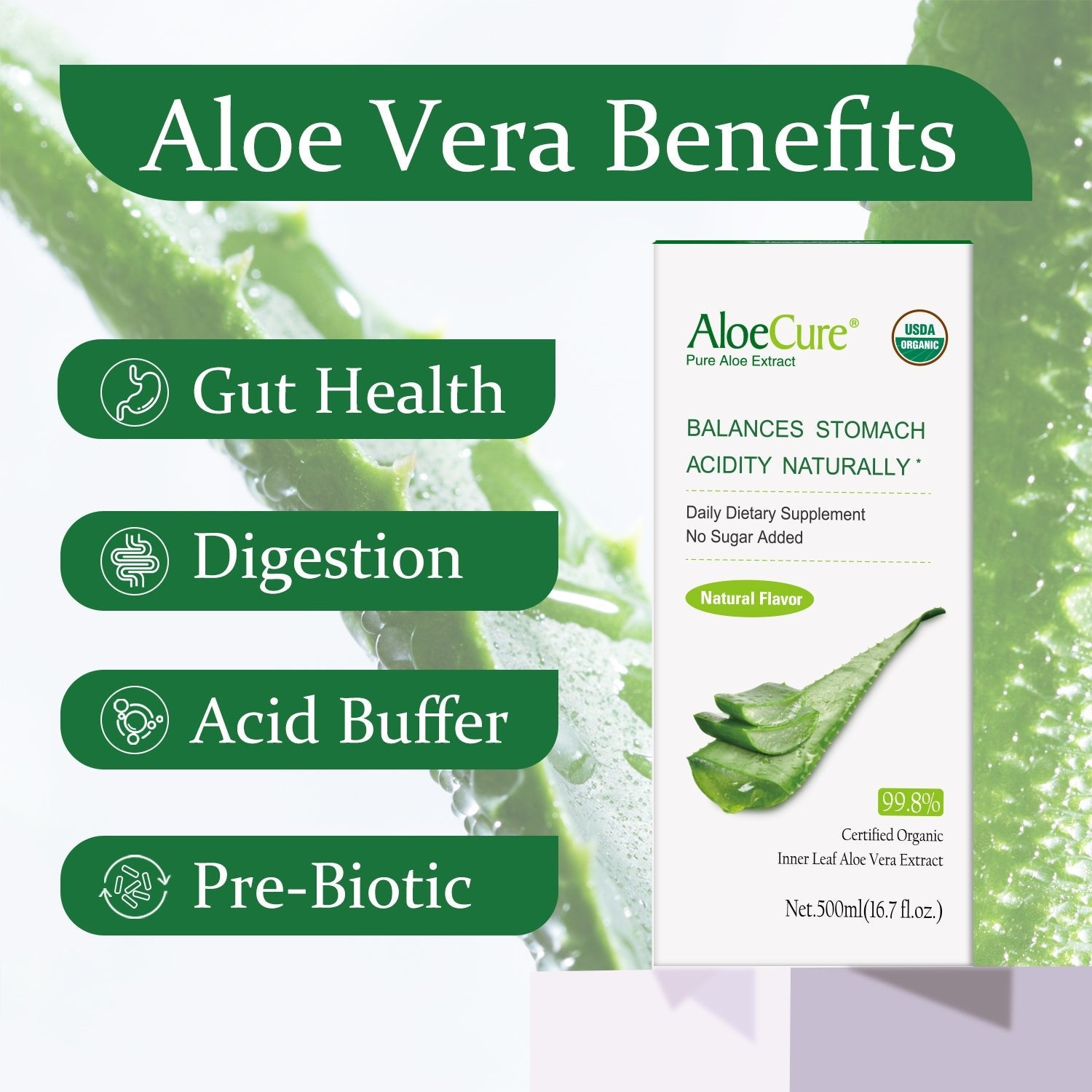
One option people may consider is AloeCure Pure USDA Organic Aloe Vera Juice, which is made from aloe processed within a short harvest-to-bottle window and can be used on its own or alongside other wellness products from the same routine.
Oral aloe and topical aloe are different tools, but they can complement each other well. If you are also curious about external care, this guide on integrating aloe vera into your skincare routine offers a useful look at how people combine aloe-based products with a broader skin routine.
You do not need a complicated protocol. Individuals often do better with a habit that feels easy enough to repeat.
Try this simple pattern:
Consistency beats intensity with most wellness habits, and aloe is no exception.
What does a quality aloe label prove?
For purified aloe vera juice, the answer is rarely on the front of the bottle. Words like “pure,” “natural,” and “premium” sound comforting, but they do not explain the part that matters most. How the aloe was purified. That single step often decides whether the juice still contains useful plant compounds or whether it has been stripped down by harsh shortcuts.
A good certification works like a passport stamp. It does not just make a claim. It shows where the product has been and who checked it along the way.
When you read an aloe label, look for signs that answer four practical questions:
If you want a practical way to compare bottles, this guide on buying aloe vera lays out the label details worth checking.
Aloe is a little like fresh fruit. The label can tell you it started with something good, but processing decides what reaches the final bottle.
That is why certification should lead you to better questions, not stop your search. A brand may mention purity, yet say very little about whether the aloe was gently filtered, chemically altered, concentrated, reconstituted, or heavily processed to fix taste and color. Each of those choices can affect the plant matrix that gives aloe its value.
This potential loss of bioactivity makes transparent processing and third-party certification essential.
One useful clue is whether the company talks clearly about preserving aloe polysaccharides, including acemannan, instead of speaking only in broad marketing terms. If the explanation stays vague, shoppers should pause. A trustworthy brand can usually explain how it removes unwanted compounds without flattening the rest of the plant.
Third-party testing matters because it checks whether the finished juice matches the label. That can include identity, purity, and contamination screening, depending on the manufacturer and testing program. If you want a plain-English overview, this article on understanding third-party testing explains why outside verification carries more weight than brand copy alone.
The strongest labels combine that outside verification with process transparency. In other words, they show both the result and the method.
Aloe changes with handling time, temperature, and processing quality. That is why traceability deserves a close look. Brands that control farming and processing, or at least document them clearly, can usually give a more believable account of how the leaf was purified and bottled.
For a visual look at what careful handling and product standards can involve, watch this short video.
Smart shopping tip: A trustworthy aloe label should answer three questions clearly. Where was it grown? How was it purified? Who verified the final product?
General advice often falls in the 2-8 oz daily range. Some people prefer taking it 15-30 minutes before a meal when they want digestive comfort support, based on product guidance discussed in this preservative-free inner fillet aloe usage overview.
If you are new to it, starting on the lower end is a practical choice.
Inner fillet juice is often preferred for sensitive systems because it focuses on the clear inner gel and avoids more of the harsher compounds associated with less refined material.
That does not make every whole-leaf product poor. It means inner fillet is often the easier fit for people who want a gentler daily option.
Taste can give clues, but it is not a complete quality test. A mild, clean aloe taste often reflects a more careful product, while heavily flavored versions may hide a lot.
Still, the label and the process matter more than flavor alone.
It depends on your routine. Juice can feel more like a foundational daily food, while capsules may suit people who want portability and convenience.
Some people use juice as the base and add capsules when they want a more structured supplement routine.
Look for certifications, processing details, and third-party review. If you want a quick primer on what independent verification means, this article on understanding third-party testing is a helpful resource.
If a brand only repeats words like “pure” and “premium” without showing what those words mean, keep looking.
Aloe is not just an extract on a spreadsheet. It is a plant material that responds to time, temperature, and handling.
Fresh processing usually gives brands a better chance of protecting the original qualities of the inner gel. That is especially important when purity and bioactivity are your main reasons for buying purified aloe vera juice in the first place.
Purified aloe vera juice is not a category where every bottle deserves equal trust.
What matters most is not the marketing phrase on the front. It is the path from leaf to bottle. A product can remove unwanted compounds and still lose much of what made aloe valuable. That is why chemical-free purification, transparent processing, organic standards, and traceable sourcing matter so much.
If you want aloe to support hydration, digestive comfort, skin appearance, and daily wellness, choose a product that respects the plant instead of over-correcting it. Look for inner leaf focus. Look for brands that explain their processing. Look for evidence that freshness and testing are built into the product, not added as an afterthought.
Those habits make you a better shopper. They also make it much easier to find a purified aloe vera juice that matches your wellness standards.
These statements have not been evaluated by the Food and Drug Administration. This product is not intended to diagnose, treat, cure, or prevent any disease.
If you want to compare aloe products with a more informed eye, explore AloeCure for farm-direct aloe juices and supplements, then consider the Subscribe & Save option for 20% off and flexible delivery that can help you stay consistent with your routine.
Comments will be approved before showing up.